
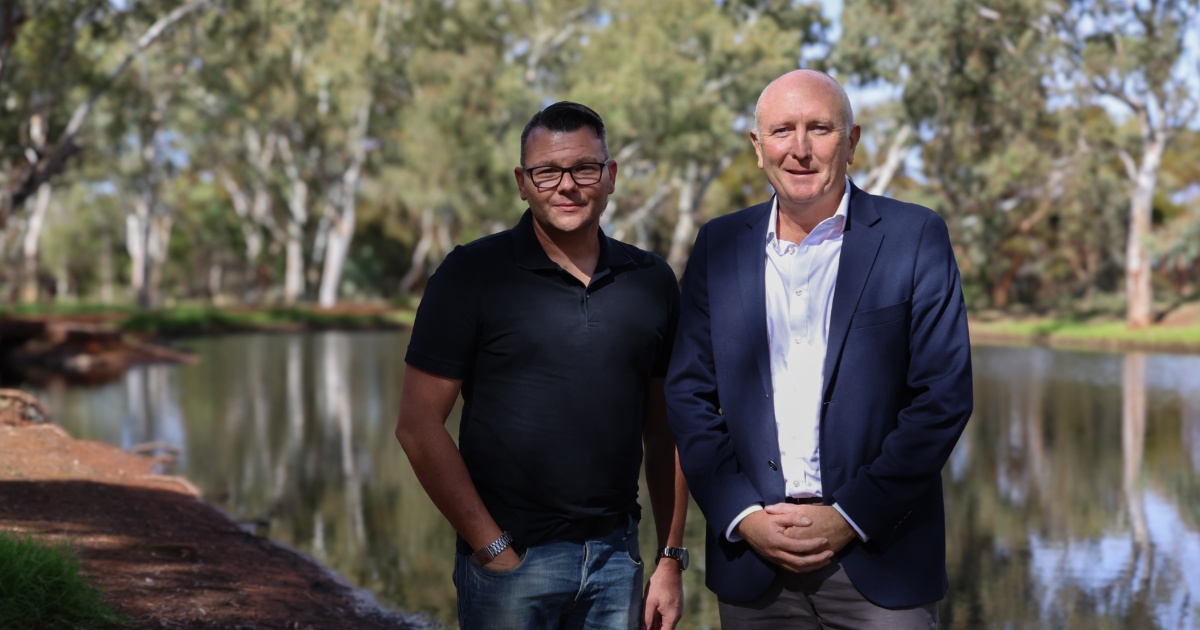
Scientists at The Kids Research Institute Australia are taking their fight against antibiotic-resistant superbugs to the Goldfields working alongside local Indigenous communities and councils.
Associate Professor Anthony Kicic is meeting with key organisations in Kalgoorlie-Boulder, Menzies and Mount Margaret to seek permission to search land and water for bacteriophages— naturally occurring viruses found in the environment. Often referred to simply as “phages,” these viruses specifically target and destroy bacteria by injecting their DNA into bacterial cells, offering a highly targeted alternative to traditional antibiotics.
Phage therapy is emerging as a promising approach to treat antibiotic-resistant infections, including those affecting the lungs, skin and ears, as well as serious bacterial infections such as Golden Staph. The World Health Organization has identified antimicrobial resistance (AMR) as one of the top global health threats.
Associate Professor Kicic said his team had already been scouring locations across the Perth metropolitan area, in consultation with Noongar groups, to collect hundreds of samples now being stored in a biobank at Phage WA’s base at Cell and Tissue Therapies WA at Royal Perth Hospital.
“We are now very hopeful of extending that search to the Goldfields where we believe we can find local phages to treat local infections,” Associate Professor Kicic said.
Work has also established a medicinal phage manufacturing facility in WA to give local patients access to alternative therapies much closer to home.
“There are millions of different types of phages in the environment,” Associate Professor Kicic said. “The more we collect and understand how they work, the more bacterial infections we will be able to fight.”
Associate Professor Kicic is also in Kalgoorlie as part of the The Kids STEM festival, which brings researchers, scientists and interactive displays to the Goldfields to engage children and families in exciting STEM activities.
One of those activities is centred around Associate Professor Kicic’s phage work, where children are introduced to bacteriophages, and learn where they’re sourced from and how they’re matched to target harmful bacteria.
In Australia, phage therapy is currently used on a compassionate basis. People with chronic diseases such as cystic fibrosis or chronic obstructive pulmonary disease are particularly vulnerable to AMR due to recurrent bacterial infections.
Associate Professor Kicic’s work in the Goldfields is being made possible thanks to funding by mining company Gold Fields and the Perth Children’s Hospital Foundation.
The Phage WA biobank and phage manufacturing unit was established with the support of funding from the State Government’s Future Health Research and Innovation Fund and the Federal Government’s Medical Research Future Fund. Associate Professor Kicic is a former FHRI Fund Fellow a recipient of the Fund’s Innovation Seed grant.
First published Thursday 21 May 2026.
View all news articles