
Search
Assisted reproductive technology (ART) pregnancies are at greater risk of birth defects than non-ART pregnancies. Teratogenic medication exposure is a potential cause of birth defects that has not been compared between ART and non-ART pregnancies.
Assisted reproductive technologies (ART) cover a range of methods used to help couples with fertility problems achieve pregnancy, including in-vitro fertilisation (IVF).
Research question: Are asthma and allergies more common in adolescents conceived with assisted reproductive technologies (ART) compared with adolescents conceived without?
The risk of intellectual disability was increased in children born after assisted reproductive technology in Western Australia from 1994 to 2002
Prepregnancy body mass index (BMI) and early-pregnancy weight gain rate are associated with adverse adolescent cardio-metabolic profile.
This letter to the editor endorses data linkage studies and cites their potential value over other types of epidemiological studies within the field of...
The objective was to conduct a comprehensive economic and health services assessment of the frequency, duration, and cost of hospital admissions during the...
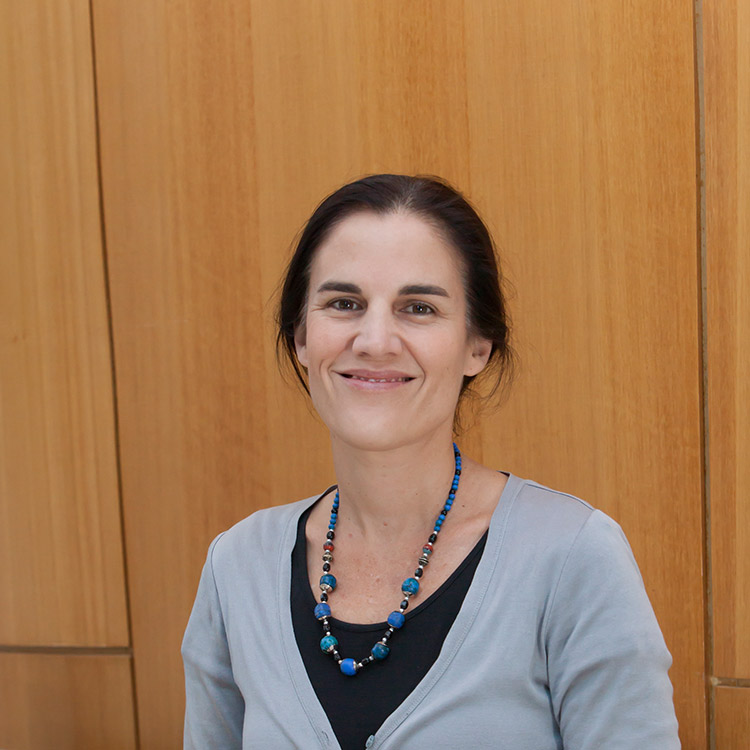
Dr Hansen’s study found children born through ART had a twofold risk of having a birth defect. The results were published in the prestigious New England Journal
In Vitro Fertilisation (IVF) is an Assisted Reproductive Technology (ART) in which an egg is fertilised by sperm outside the body.
To identify and characterise appropriate comparison groups for population studies of health outcomes in ART-conceived births: ovulation induction (OI), subfertile untreated and fertile natural conceptions. Our secondary objective was to examine whether known risks of pregnancy complications and adverse birth outcomes in ART births are elevated in comparison with subfertile (untreated and OI) conception groups.