
Search
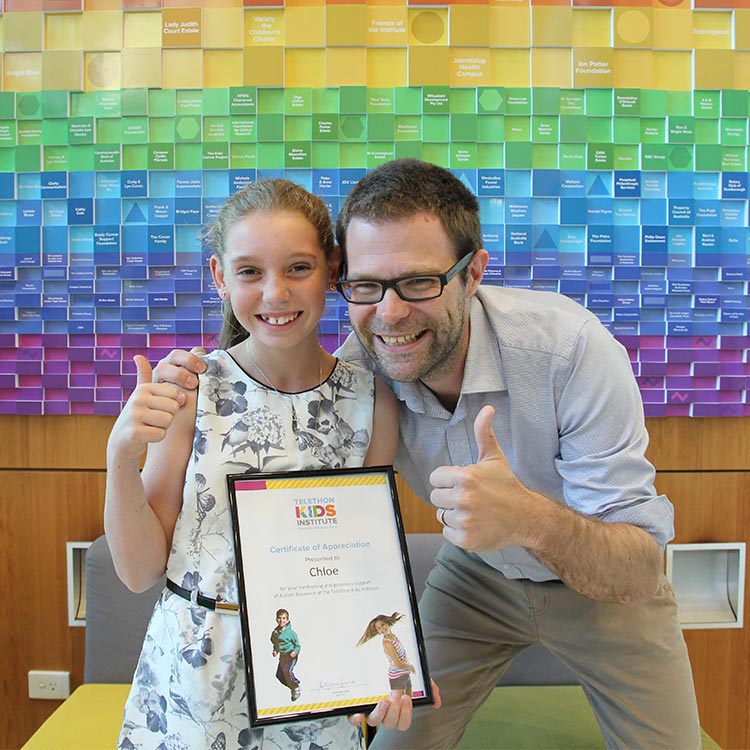
Chloe recently decided to bake cupcakes to sell to her school friends and teachers and it was all for a cause very close to her heart - autism research.
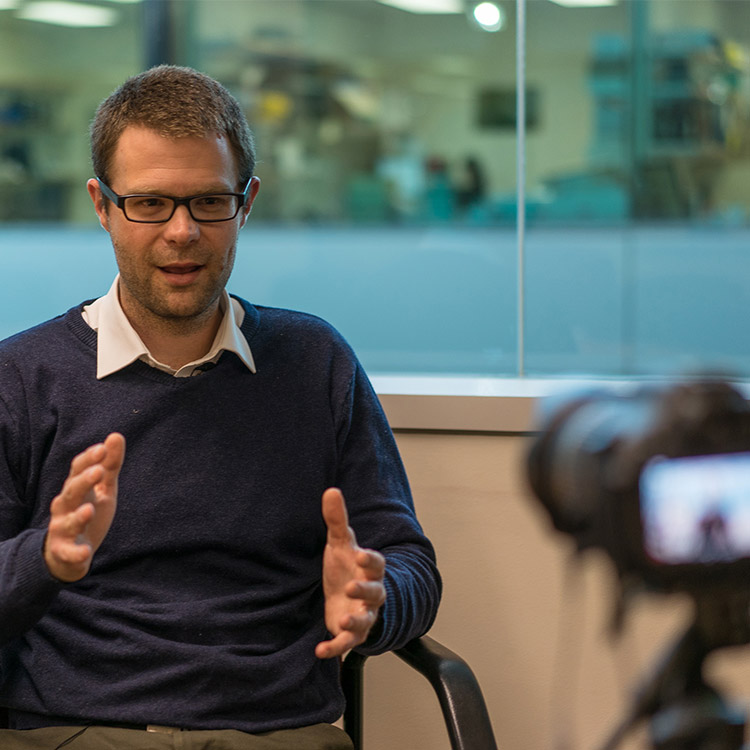
The Kids Research Institute Australia has two researchers and an innovative science engagement initiative as finalists in the 2017 Premier’s Science Awards.
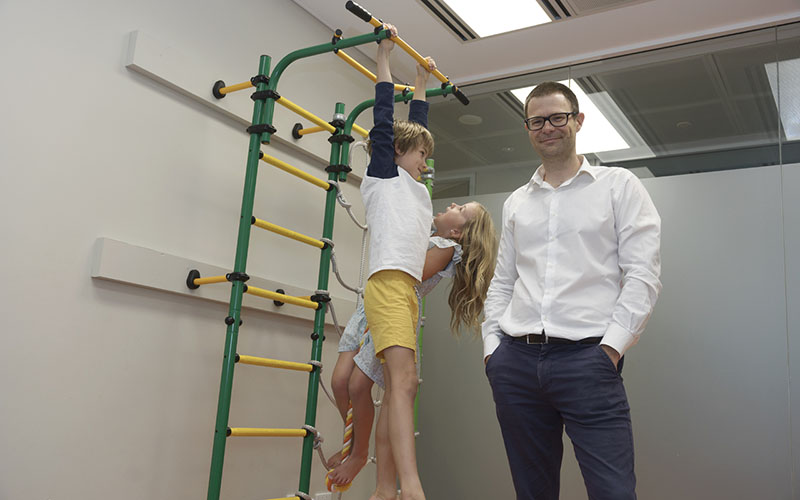
Professor Andrew Whitehouse, who has helped transform clinical support for children on the autism spectrum in Australia, is nominated for WA's 2023 Australian of the Year.
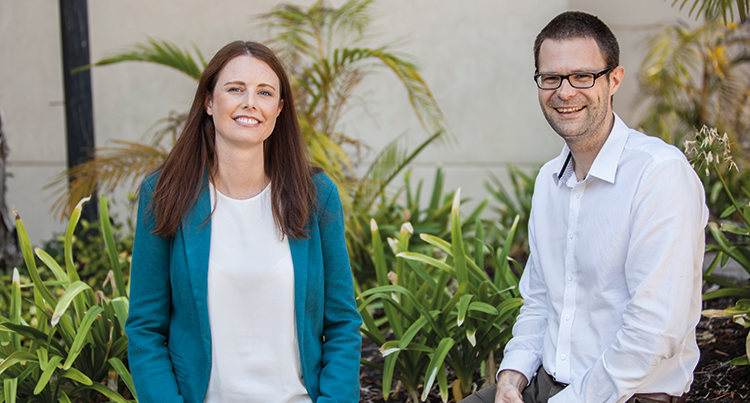
Professor Andrew Whitehouse tells how Australia’s first national guideline for the diagnosis of autism spectrum disorder is going to transform the way the condition is assessed and managed, vastly improving the experience for families.
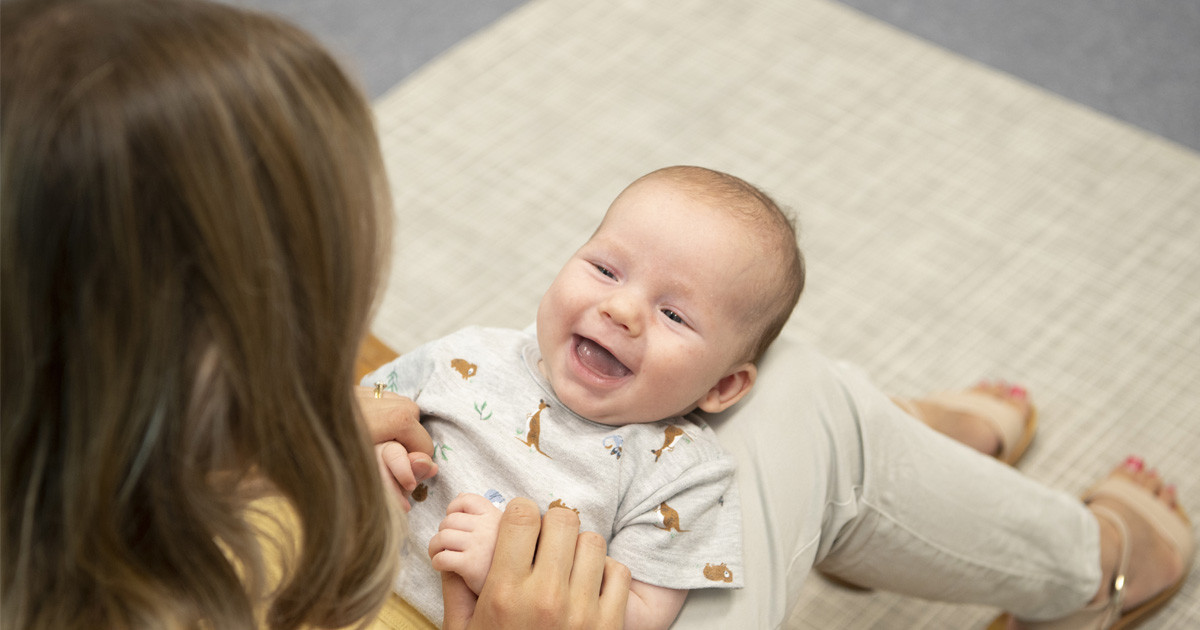
New research evaluating the potential cost savings of a therapy for babies displaying early autism signs has predicted a three dollar return to Australia’s National Disability Insurance Scheme (NDIS) for every dollar invested in therapy.
Young children who have developmental delay, autism, or other neurodevelopmental conditions can have difficulties doing things in different areas of their life. What they can and cannot do is called their level of functioning. There are lots of assessment measures that aim to assess functioning.
The clinical process for being evaluated for an autism diagnosis is often time consuming and stressful for individuals and their caregivers. While experience of and satisfaction with the diagnostic process has been reviewed in the literature, few studies have directly investigated the viewpoints of individuals diagnosed with autism and caregivers of autistic individuals about what is important in the autism diagnostic process.
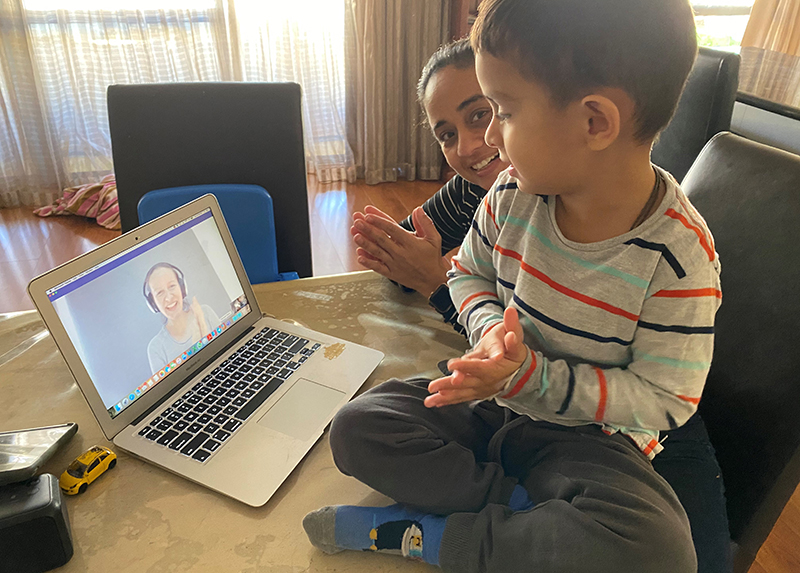
The CliniKids team has reimagined how allied health services for children with autism spectrum disorder or developmental delays are delivered.
The study of temperament in Autism Spectrum Disorder (ASD) has the potential to provide insight regarding variability in the onset, nature, and course of both core and co-morbid symptoms. The aim of this systematic review was to integrate existing findings concerning temperament in the context of ASD. Searches of Medline, PsychInfo and Scopus databases identified 64 relevant studies. As a group, children and adolescents with ASD appear to be temperamentally different from both typically developing and other clinical non-ASD groups, characterized by higher negative affectivity, lower surgency, and lower effortful control at a higher-order level.
We investigated whether a commonly used research assessment - the Autism Observation Scale for Infants (AOSI) - accurately measures autism behaviours among infants showing early signs of autism identified within the community. The AOSI is often included in studies tracking the development of infants at increased likelihood of autism, such as the infant siblings of diagnosed children. However, the suitability of this measure has not previously been tested with community-referred infants.