
Search
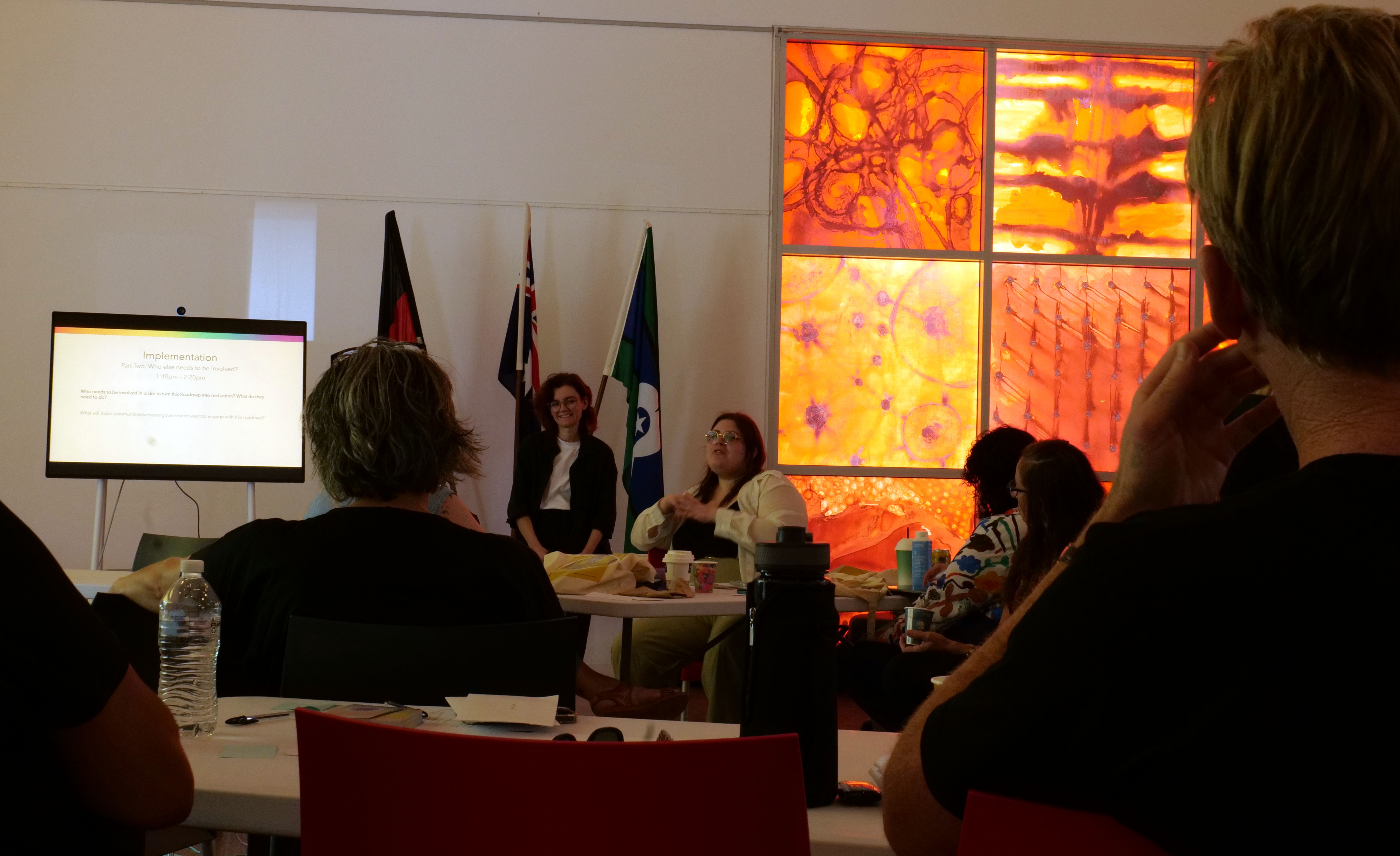
Walkern Katatdjin researcher and lead author Mx Shakara Liddelow-Hunt leads a conversation with the community on the key actions to include in the Roadmap.
Increasing numbers of trans young people are seeking medical services worldwide, but there have been few qualitative investigations of the experiences of trans young people attempting to engage with these services to explore in-depth experiences of clinical interactions.
This chapter discusses the importance of investment in early life determinants of health to break the cycle of long-term disadvantage. This chapter addresses these issues while focussing on neurodevelopmental disorders and their related mental health concerns as the targets at the centre of a biopsychosocial transformation of the health system.
Trans and gender diverse (trans) young people experience higher rates of physical and mental ill-health due to chronic exposure to gender minority stress. Consequently, trans young people report higher health and mental healthcare service utilisation. Disconcertingly, negative experiences of healthcare services are prevalent among trans young people, especially those with additional marginalised identities and backgrounds who experience multiple forms of marginalisation.
This meta-analytic study examined the associations between childhood emotional abuse (CEA) history in adults and eleven emotion regulation abilities. Inclusion criteria were the use of validated and reliable multi-item measures, cross-sectional Pearson's correlation coefficient(s), and retrievable in English.
This study explores the complex and multifaceted nature of social media use among young adolescents, drawing on the perspectives of young adolescents, parents and experts. It examines both the benefits and risks of social media and associated implications for adolescent mental health, self-development and social relationships.
Childhood emotional abuse (CEA) has been linked to response-focused emotion regulation in adulthood. However, the underlying mechanisms remain unexplored. This pre-registered study examined whether shame mediates the association between CEA history and aversive cognitive perseveration (ACP), including brooding rumination, experiential avoidance and emotional non-acceptance, in adulthood.
Globally, rates of children with physical and mental health problems are increasing. Health issues in early childhood often persist into adulthood, highlighting the need to ensure children are supported to flourish from the start of life.
Aboriginal and Torres Strait Islander Peoples share rich cultural traditions unrivalled across the world; however, the continued impact of colonisation led to sustained, profound trauma that has spanned generations. With Aboriginal and Torres Strait Islander people presenting to hospital emergency departments for self-harm and suicidal behaviours at a rate 2.9 times higher than non-Indigenous people, there is a need to develop culturally appropriate interventions to address this growing problem.
Qualitative research on sensitive topics (e.g. abuse, mental health difficulties, discrimination) is needed to understand lived experiences of complex issues. However, this type of research raises concerns about potential adverse effects on participants, especially with younger participants and those from marginalized populations. In this study, we conducted a reflexive thematic analysis of 20 trans adolescents’ (14–18 years of age) experiences of participating in research about their stigma experiences.