
Search
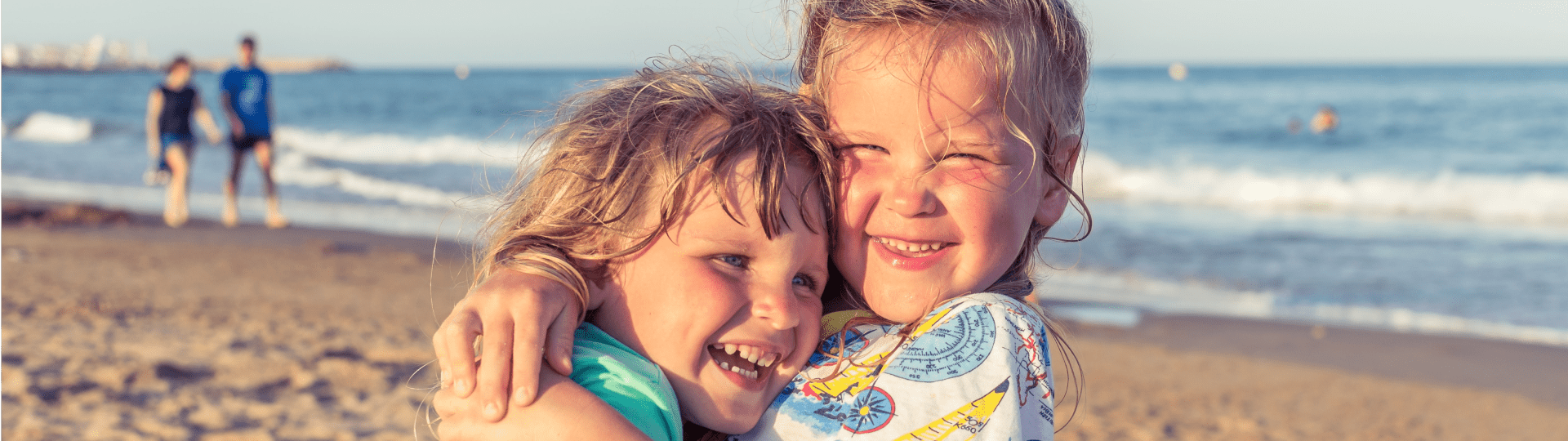
The Sibling Project focuses on children, adolescents and emerging adults who have a sibling with a disability, investigating their mental health, relationships and quality of life.
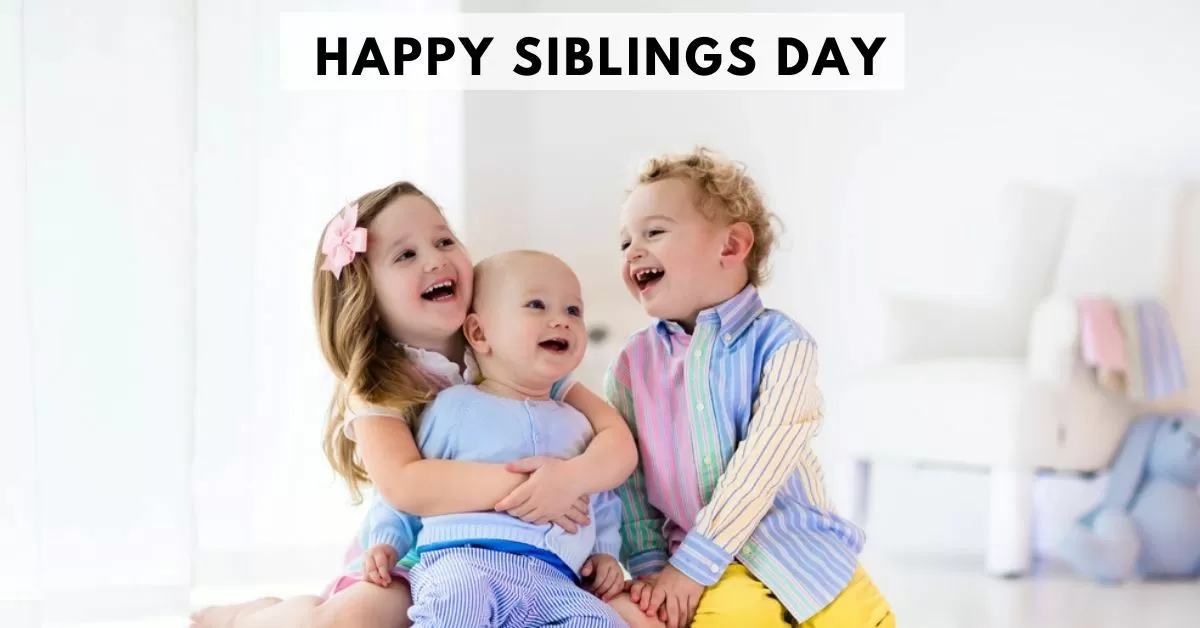
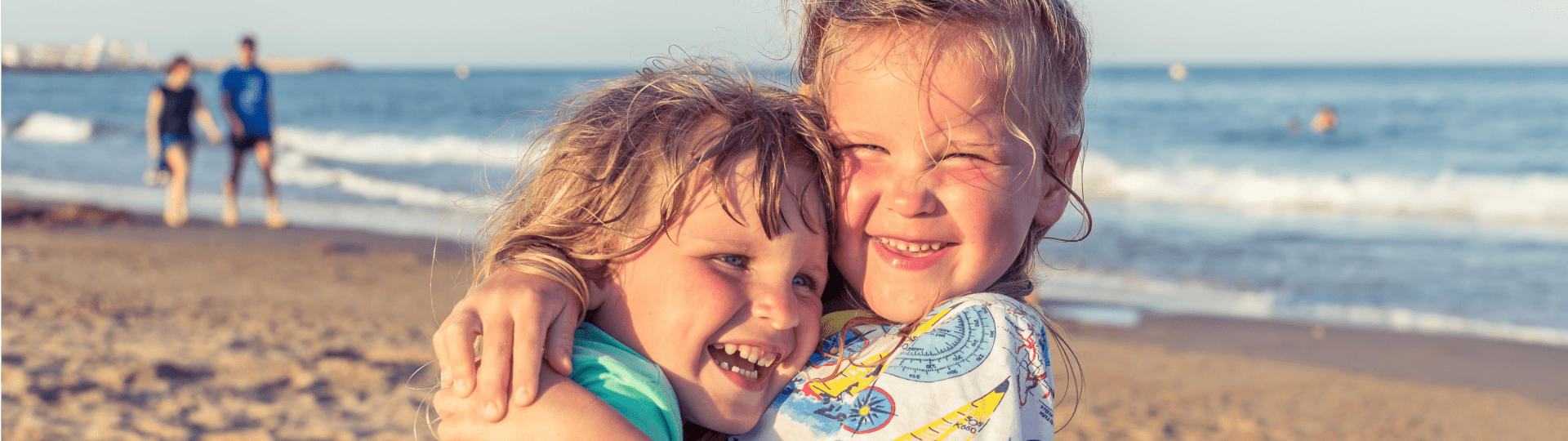
National Siblings Day is a holiday dedicated to celebrating the bond between siblings. It is a time to recognize the importance of siblings, whether they are brothers, sisters, step-siblings, or even those who feel like family.
The list of The Siblings Project publications
The Siblings Project Gallery
Sibling Camp 2024 photos
The studies this project has conducted
We want to hear from siblings living outside of Australian cities!
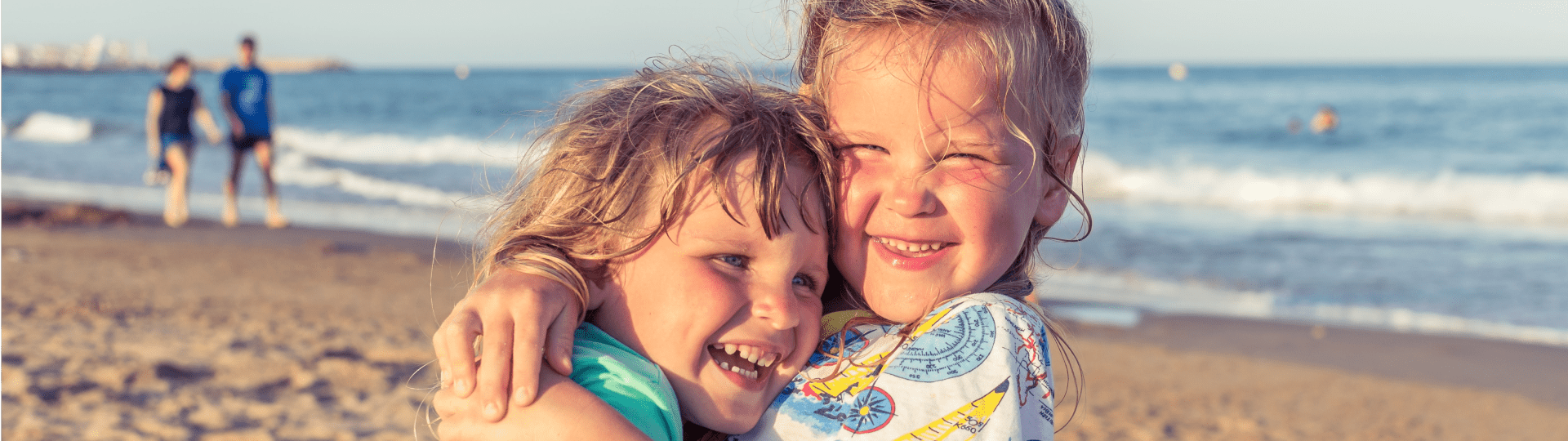
Participate in The Sibling Snapshot Project! <!-- [if gte mso 9]> <![endif]--> <!-- [if gte mso 9]> Normal 0 false false false EN-AU X-NONE X-NONE <!
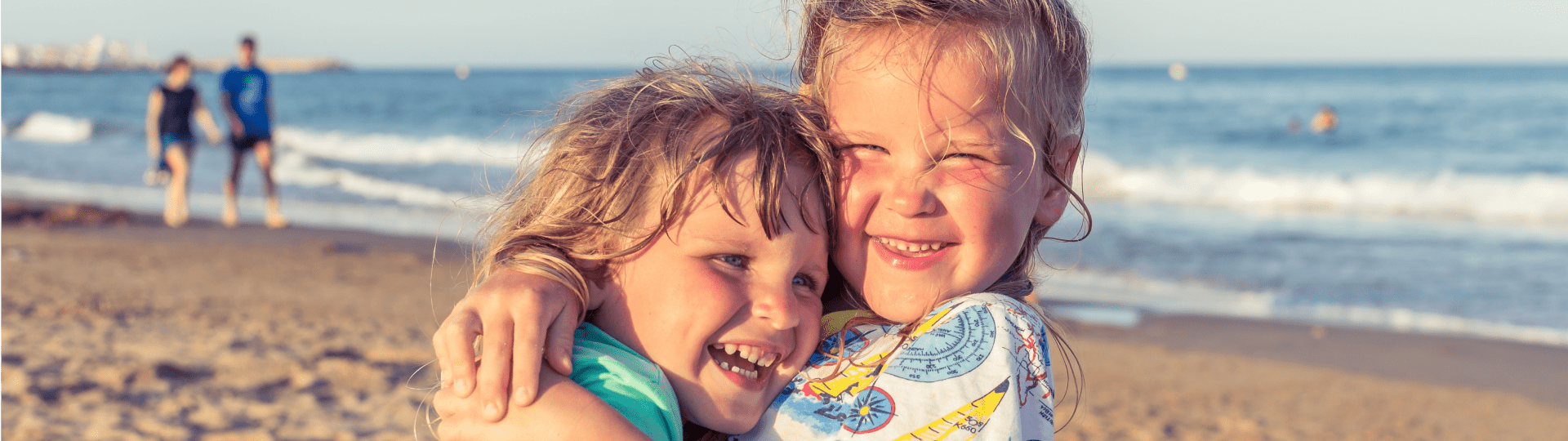
Be involved in the Sibling Snapshot Project! Researchers from The Kids Research Institute Australia are conducting research which explores the unique
Join a Focus Group for the Sibling Support Study! Researchers from The Kids Research Institute Australia are conducting research which explores the