
Search

Aboriginal health is everyone's business. The needs of Aboriginal and Torres Strait Islander families and kids is integrated into all relevant areas of our work. Improving the health and wellbeing of Aboriginal and Torres Strait Islander kids and families is an overarching priority for every team at The Kids.
This article documents the establishment of community laundries in rural/remote Aboriginal and Torres Strait Islander communities between 2000-2024, with the aim to support synergistic planning, implementation and evaluation.
We have read with interest the new publication by Rouhiainen and colleagues on missed opportunities for preventing or diagnosing acute rheumatic fever (ARF).
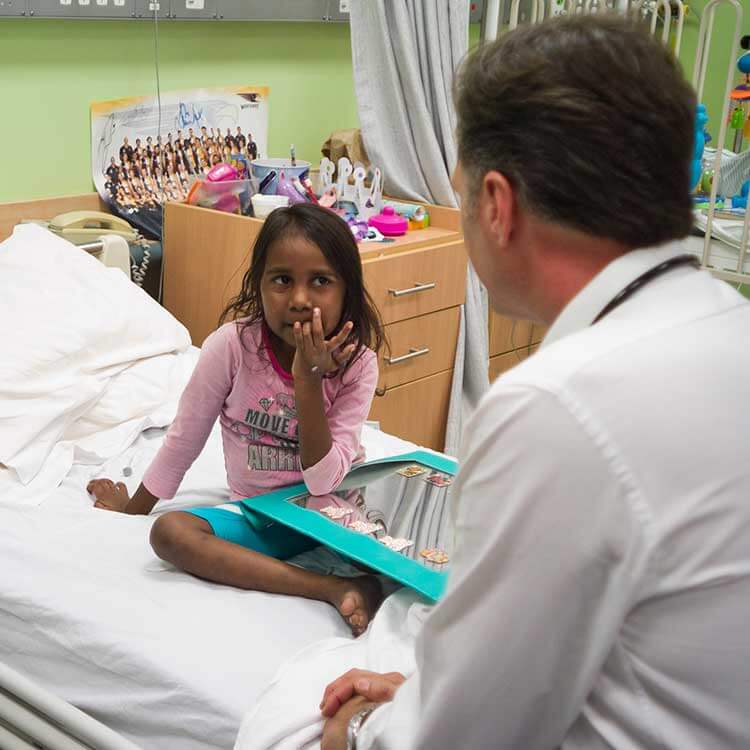
Researchers at The Kids Research Institute Australia say Group A Streptococcus should become a nationally notifiable disease in Australia.
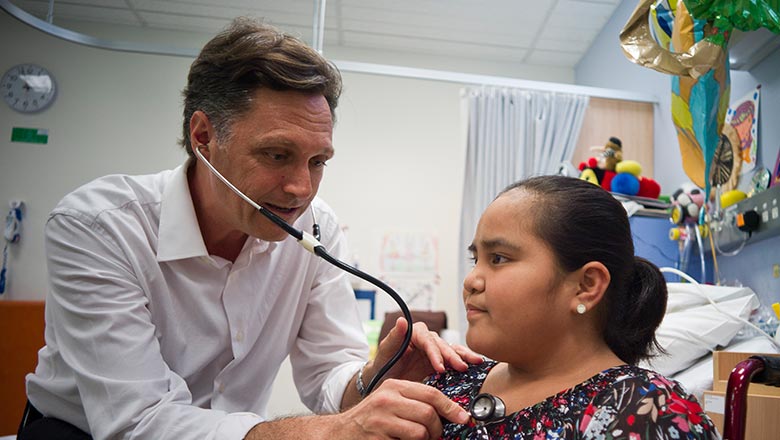
Researchers at The Kids Research Institute Australia have begun a comprehensive research project into vaccines aimed at tackling rheumatic fever.
As Head of Aboriginal Research Development at Telethon Kids, Glenn Pearson believes his work brings us closer to identifying the real and whole Australian story
Primary prevention of acute rheumatic fever (ARF) and rheumatic heart disease (RHD) encompasses the timely diagnosis and adequate treatment of the superficial group A Streptococcus (GAS) infections pharyngitis and impetigo. GAS is the only known inciting agent in the pathophysiology of the disease.
Rheumatic heart disease (RHD) is an important and preventable cause of morbidity and mortality among children and young adults in low-income and middle-income countries, as well as among certain at-risk populations living in high-income countries. The 2012 World Heart Federation echocardiographic criteria provided a standardized approach for the identification of RHD and facilitated an improvement in early case detection.
Secondary antibiotic prophylaxis reduces progression of latent rheumatic heart disease (RHD) but not all children benefit. Improved risk stratification could refine recommendations following positive screening. We aimed to evaluate the performance of a previously developed echocardiographic risk score to predict mid-term outcomes among children with latent RHD.
Latest news & events at the Wesfarmers Centre of Vaccines & Infectious Diseases.