
Search
Aboriginal and Torres Strait Islander Peoples share rich cultural traditions unrivalled across the world; however, the continued impact of colonisation led to sustained, profound trauma that has spanned generations. With Aboriginal and Torres Strait Islander people presenting to hospital emergency departments for self-harm and suicidal behaviours at a rate 2.9 times higher than non-Indigenous people, there is a need to develop culturally appropriate interventions to address this growing problem.
ADHD has been associated with impaired central nervous dopaminergic pathways. Brain iron is an essential cofactor for the synthesis of dopamine and the substantia nigra (SN) is a significant pool of dopaminergic neurons playing a central role in the activity of the nigrostriatal pathway. The present study investigated SN iron content in children with ADHD, its relationship with ADHD symptom severity and cognitive performance.
Belief in the trustworthiness of other people is foundational to human interaction, and thus, there is interest in its assessment across many disciplines. However, disunity in approaches to its conceptualization has resulted in a myriad of measures. This review collates and systematically appraises self-report general trust measures for use in either children or adults; examining target age, type of trust assessed, and measurement and psychometric properties.
There is a paucity of longitudinal research comparing early-life mental health in rural and metropolitan communities. Living in rural areas is associated with limited access to specialist care, as well as additional stresses such as natural disasters. To address health disparities for rural communities it is critical to understand variance in predictors and outcomes for child mental health.
This study investigated the effects of Mindful Self-Compassion (MSC) training on the mental health of gender and sexually diverse young adults (aged 18–25 years) in Australia. A single-blind randomized controlled trial was conducted in 2020–2022 comparing an online-delivered 8-week group MSC training program with a waitlist control.
There are conflicting suggestions concerning the developmental trend of trust beliefs during middle childhood. Across three studies, the current research developed a brief measure of child general trust beliefs, as well as child measures of trust in peers and online, and examined age-related differences in these beliefs.
Experiencing trauma may adversely impact a child’s education, and research in this field requires a deeper understanding about how those working in the education system, specifically pre-service teachers, can respond and support children impacted by trauma. Pre-service teachers, who are our future teachers, play a role in recognising and helping children when signs of trauma are revealed, but risk re-traumatising children if not adequately trained during their university education.
Transgender and gender diverse (“trans”) people are more likely to experience adverse mental health outcomes due to the social adversities that are commonly experienced. One ameliorating factor for poor mental health outcomes can be connection to community, often facilitated in online spaces such as TikTok.
Parents of trans and gender diverse (herein ‘trans’) children experience additional challenges in their parenting role relative to parents of cisgender children. Understanding and enhancing parents’ empowerment is a promising approach to support both parents and children. We aimed to develop an empowerment scale specific to parents of trans children, grounded in parents’ lived experiences.
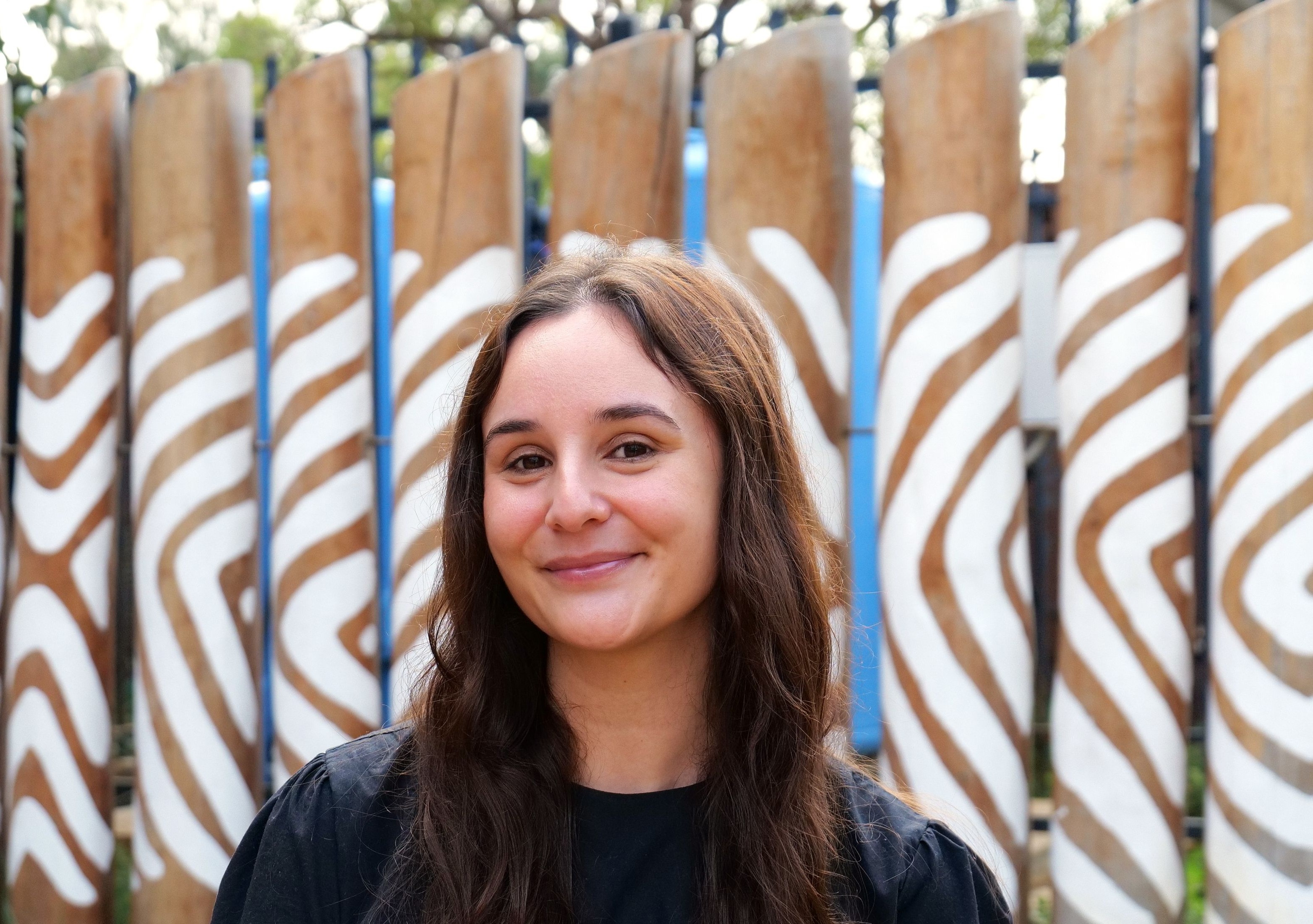
Senior Research Officer Tanika Sgherza is on the Healing Kids, Healing Families team.