
Search

A joint initiative between The Kids Research Institute Australia, The University of Western Australia, the University of Kansas and Nebraska University, it is the world’s only study to conduct such a detailed assessment of language and literacy development from infancy through the formative adolescent years.
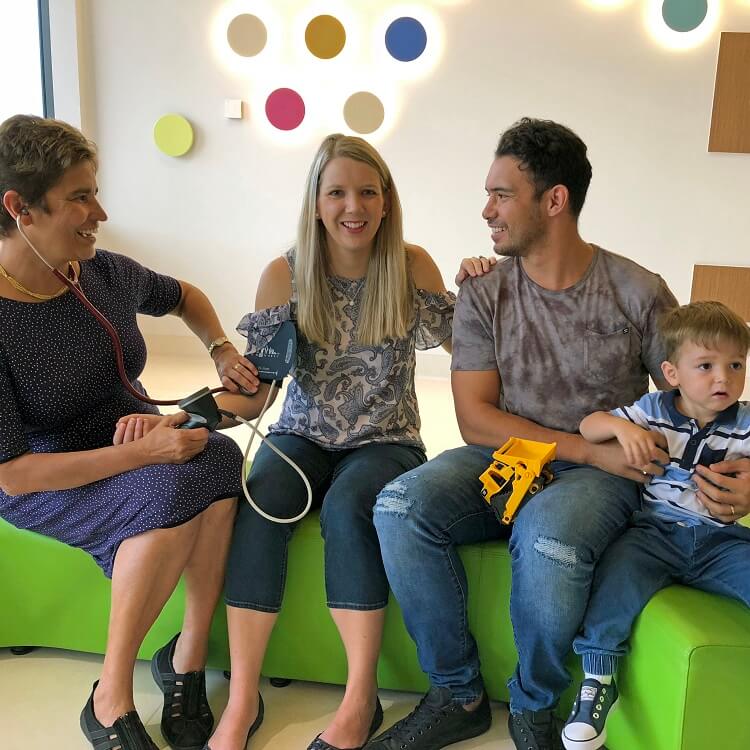
ORIGINS, a collaboration between The Kids and the Joondalup Health Campus, has achieved a major milestone – recruiting its 1000th family.
Hearing your child’s first word is a precious moment for any parent but while most children begin to talk within 12 to 24 months of age, some take much longer.

A study by The Kids Research Institute Australia has found children with Attention Deficit Hyperactivity Disorder (ADHD) have significantly worse school outcomes.
A new study by The Kids Research Institute Australia has found current early intervention programs are failing to identify a large proportion of children with language an
Telethon Kids Institute researchers have been awarded an Australian Research Council grant to explore how testosterone levels in the womb can impact on a child'
New research has found that children of mums who had low levels of Vitamin D during pregnancy are twice as likely to have language difficulties.
A new study provides more evidence that reading books to young children and helping them visually to follow the story improves a child's language.
New research shows that kids whose mums talk more frequently about others' thoughts tend to be better at taking another's perspective than other children.
The Australian Early Development Index (AEDI) program is conducted by the Centre for Community Child Health