
Search
Despite significant advances, outcomes for children with Down syndrome (DS, trisomy 21) who develop acute lymphoblastic leukemia remain poor. Reports of large DS-ALL cohorts have shown that children with DS have inferior event-free survival and overall survival compared to children without DS.
Gliomas account for nearly 30% of all primary central nervous system (CNS) tumors in children and adolescents and young adults (AYA), contributing to significant morbidity and mortality. The updated molecular classification of gliomas defines molecularly diverse subtypes with a spectrum of tumors associated with age-distinct incidence.
The epidermal growth factor receptor (EGFR) family of receptor tyrosine kinases (RTKs) consists of EGFR, ErbB2, ErbB3, and ErbB4. These receptors play key roles in cell proliferation, angiogenesis, cell migration, and in some cases, tumor promotion.
Invasive fungal disease is a common and important complication in children with acute myeloid leukaemia (AML). We describe the epidemiology of IFD in a large multicentre cohort of children with AML.
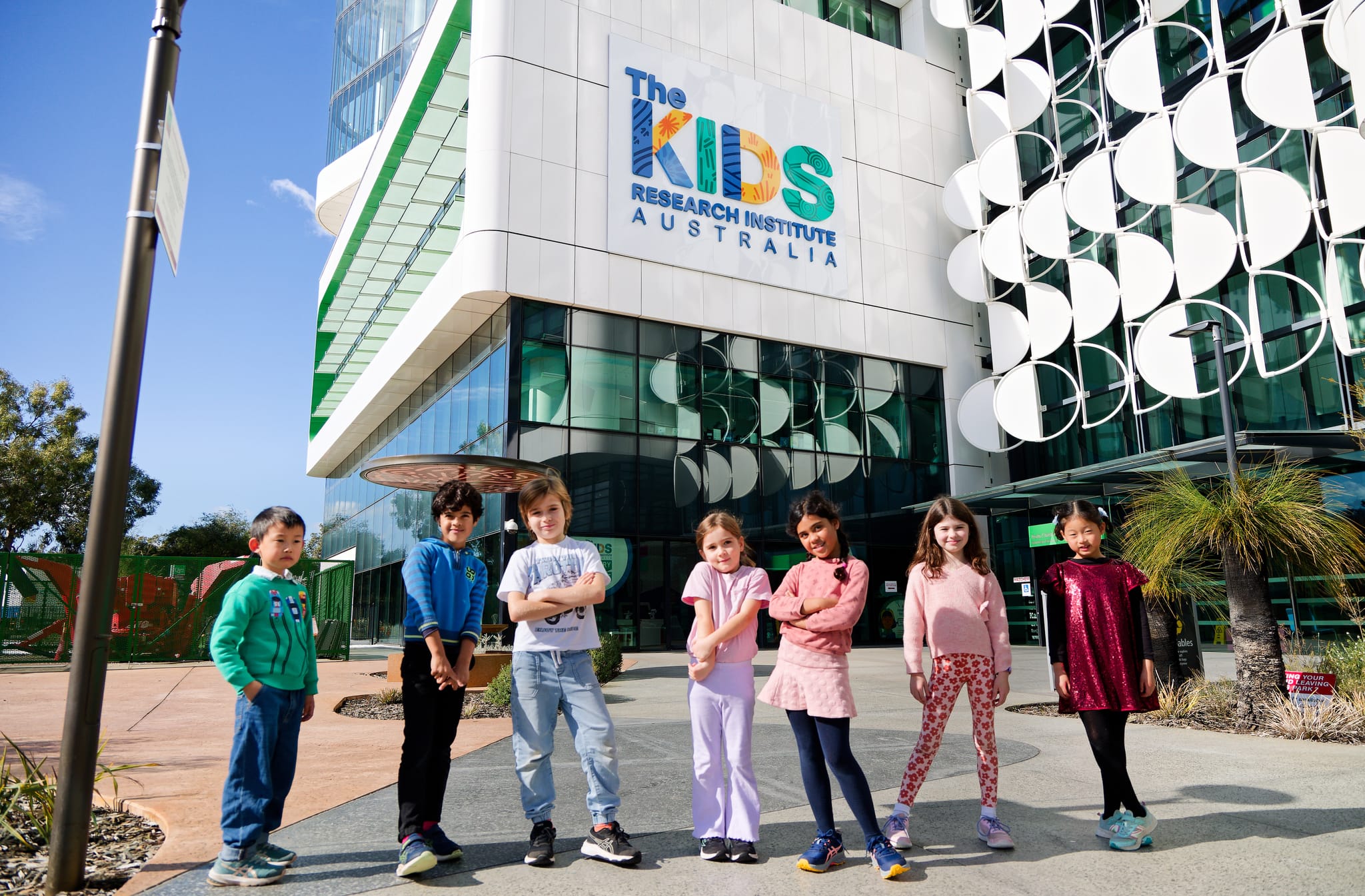
Researchers from The Kids Research Institute Australia will share in almost $4 million in grants to continue groundbreaking research to tackle childhood cancer, asthma, respiratory viral infections and more.
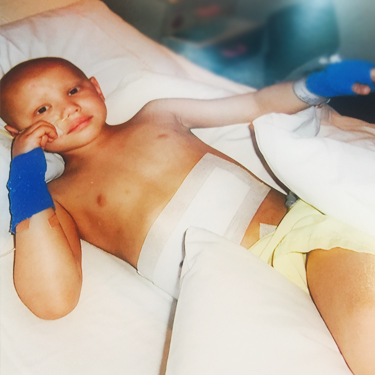
Rennae's son Samuel was diagnosed with stage 4 neuroblastoma 13 years ago, and was originally given a 20% chance of survival. She bravely shares their story.
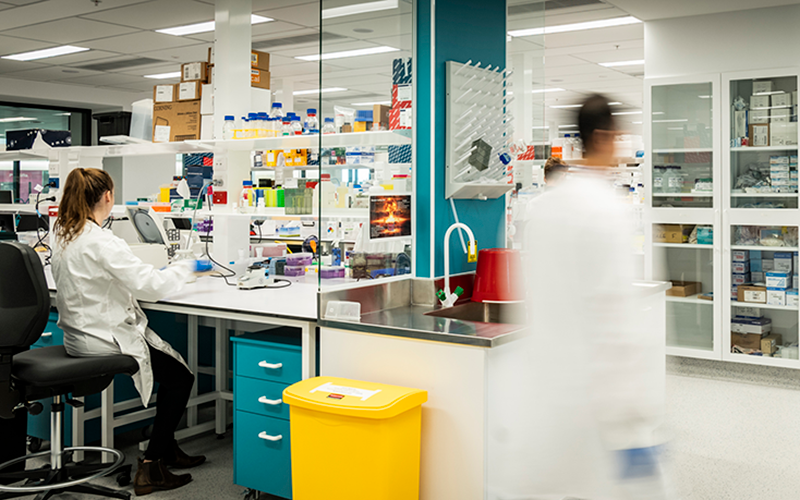
The Kids Research Institute Australia researchers will share in $2.3 million awarded by the Western Australian Department of Health Innovation Seed Fund.
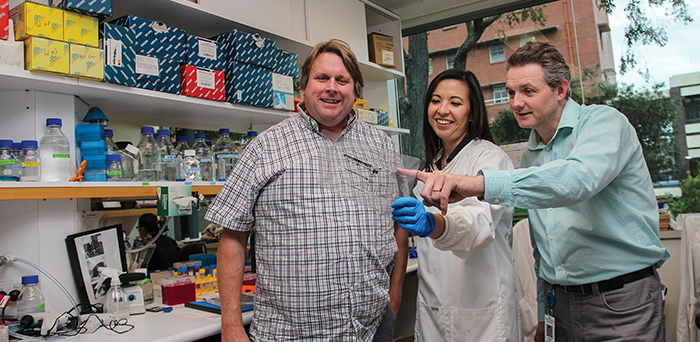
In the field of cancer research, lobbying efforts by the The Kids Cancer Centre have contributed to major initiatives including Australia’s first personalised medicine program for children with high-risk cancer, and a mission to boost survival rates in brain cancer patients.
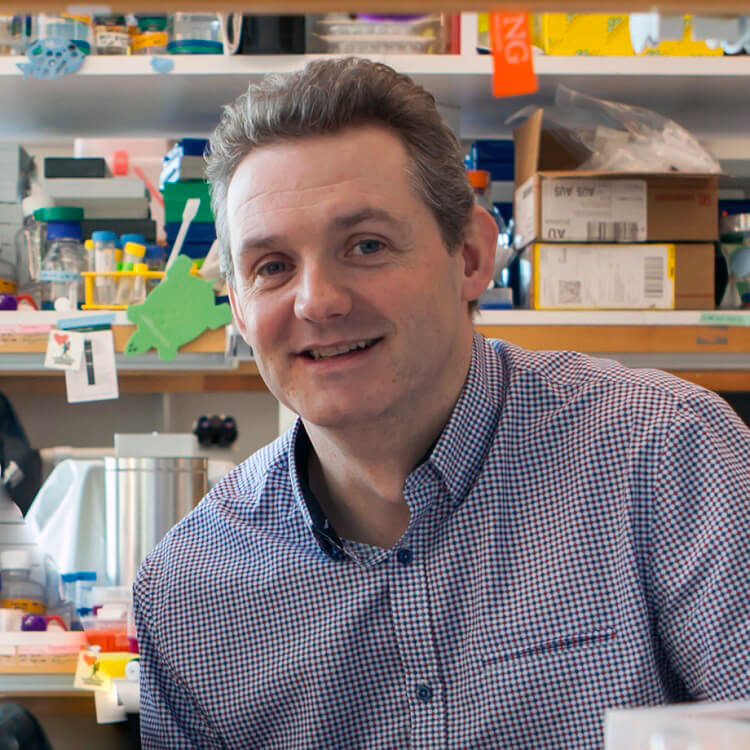
The Kids cancer researcher & clinician Dr Nick Gottardo has been announced as the recipient of an Innovation Grant from the Cure Brain Cancer Foundation.
Several The Kids Research Institute Australia researchers will share in more than $7.5 million in prestigious Investigator Grants to pursue a range of innovative child health research.