
Search
Alexander David Martyn Larcombe Martino Symons BScEnv (Hons) PhD BSc PhD B.A. (Hons) PhD. Honorary Research Fellow Head, Chronic Diseases Research
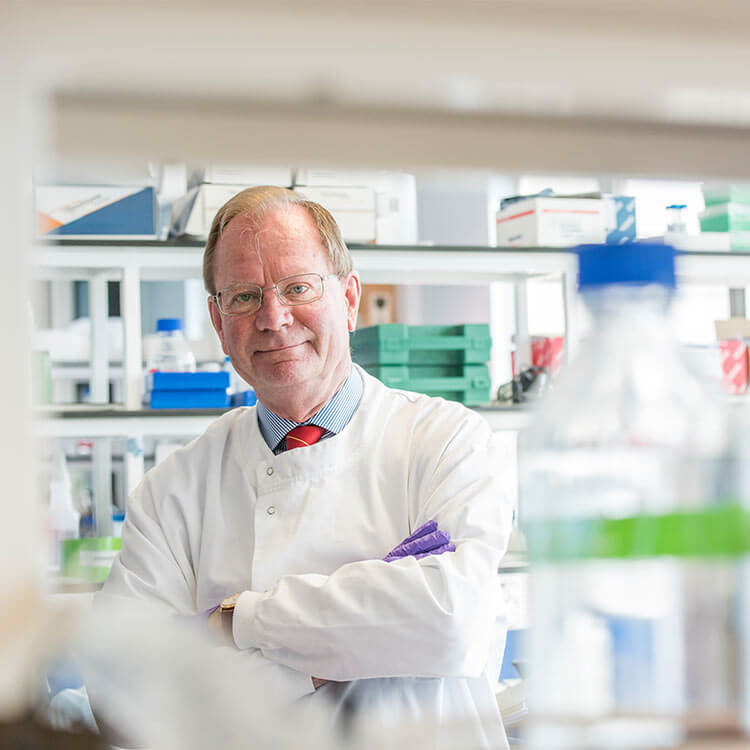
Join us for our Annual Community Lecture entitled "You Are What You Breathe" with Professor Stephen Holgate.
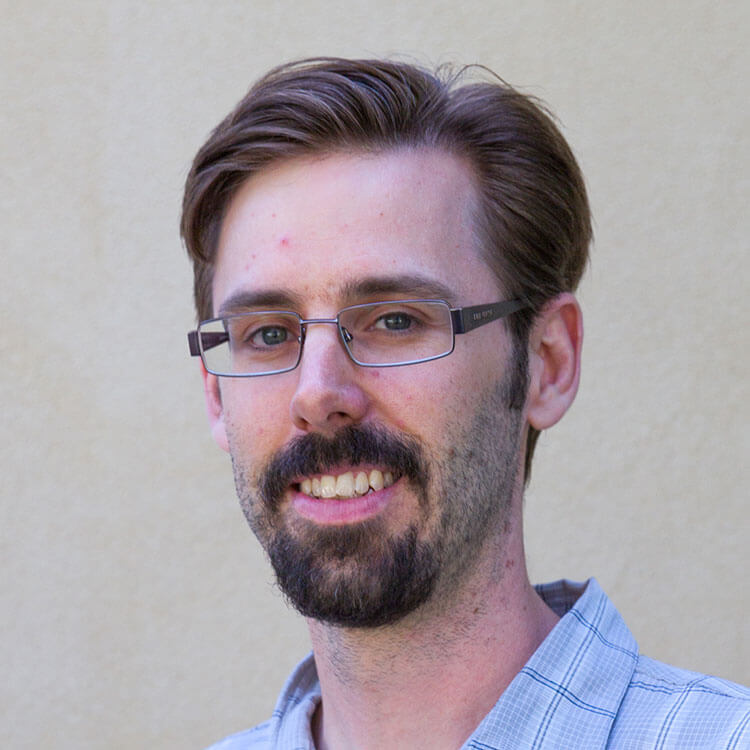
Honorary Research Fellow
Plastic pyrolysis oil, which can be produced with similar properties as diesel fuel (plastic diesel), can be used as an alternative to mineral diesel (ULSD) to run a diesel engine. This presents a potential method for recycling waste plastic. Typically plastic diesel is blended with mineral diesel, and oxygenated fuel additives such as ethers added to improve resulting fuel properties.
Heated-tobacco-products (HTPs) are electronic devices that "heat" a processed tobacco/chemical mixture to produce an inhalable emission. They are advertised as a reduced-risk alternative to cigarette smoking. The aim of our research was to assess their potential health impacts using a 3D human airway model.
Citation: Wang KCW, Lawrence K, Wisnivesky JP, Diaz AA. Enhancing a diverse population: the American Thoracic Society Mentoring Program for
Citation: Donovan GM, Wang KCW, Elliot JG, James AL, Noble PB. Quantifying airway remodelling for research or clinical purposes: How should we
Two lytic double-stranded DNA (dsDNA) bacteriophages, belonging to the family Herelleviridae, were isolated from wastewater in Western Australia. Biyabeda-mokiny 2 appears to belong to the genus Kayvirus, and Koomba-kaat 1 to Silviavirus.
Despite the teratogenic effects of alcohol, little is known about the safety of pharmacotherapies such as acamprosate for the treatment of alcohol use disorders in pregnancy. The aims of this study were to investigate, in a mouse model, the effects of maternally administered acamprosate on maternal and neonatal health, offspring neurodevelopment and behaviour, as well as examine whether acamprosate reduces the neurological harm associated with alcohol consumption in pregnancy.
Alexander Larcombe BScEnv (Hons) PhD Honorary Research Fellow Honorary Research Fellow Associate Professor Alexander Larcombe began work at The Kids