
Search
This study compared the behavior profile of cases in the Australian Rett Syndrome Database (ARSD) with those in a British study using the Rett Syndrome...

While individual diseases are rare, as a group, rare diseases are common. Recent estimates suggest that between 3% and 6% of the world’s population are affected by rare disease.
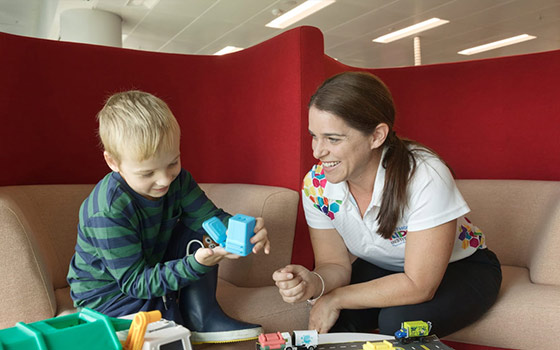
Our vision is to increase awareness and improve outcomes for children with movement disorders and other neurodevelopmental conditions impacting on motor function.
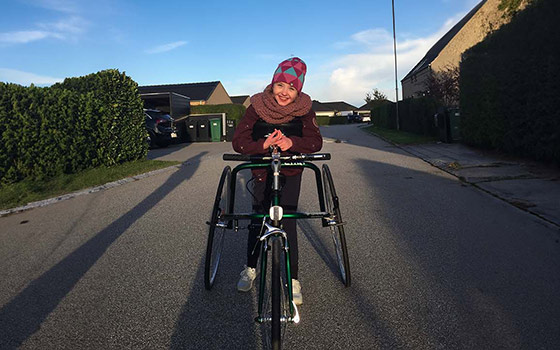
We aim to ensure that high quality outcome measures are available to evaluate treatments and services for children with disability rigorously. We aim to translate our research into resources to support families, carers and clinicians.

The Sibling Project focuses on the wellbeing, relationships and needs of children, adolescents and emerging adults who have a sibling with a developmental disability.
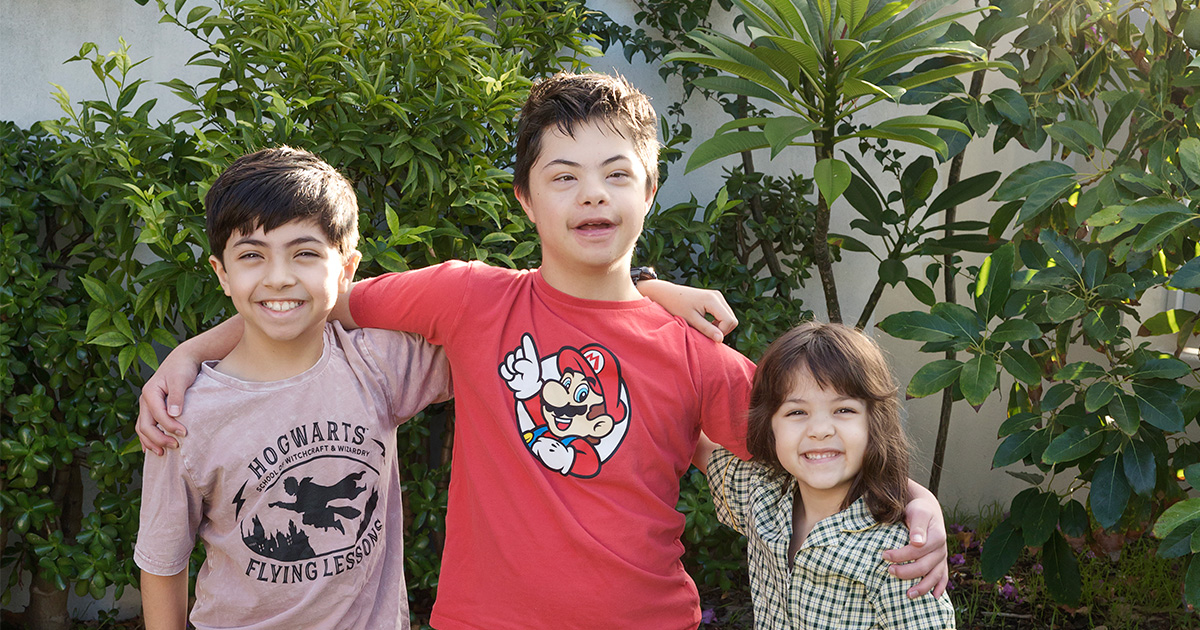
Developmental and epileptic encephalopathy (DEE) conditions are rare, and most have a genetic cause.

Principal Research Fellow
Rett syndrome is a pervasive neurological disorder with impaired gait as one criterion.
The aim of this study was to investigate the validity of using a Bouchard activity record (BAR) in individuals with Rett syndrome to measure physical...
Rett syndrome is a severe neurodevelopmental disorder mainly affecting females and scoliosis is a common co-morbidity. Spinal fusion may be recommended if...