
Search
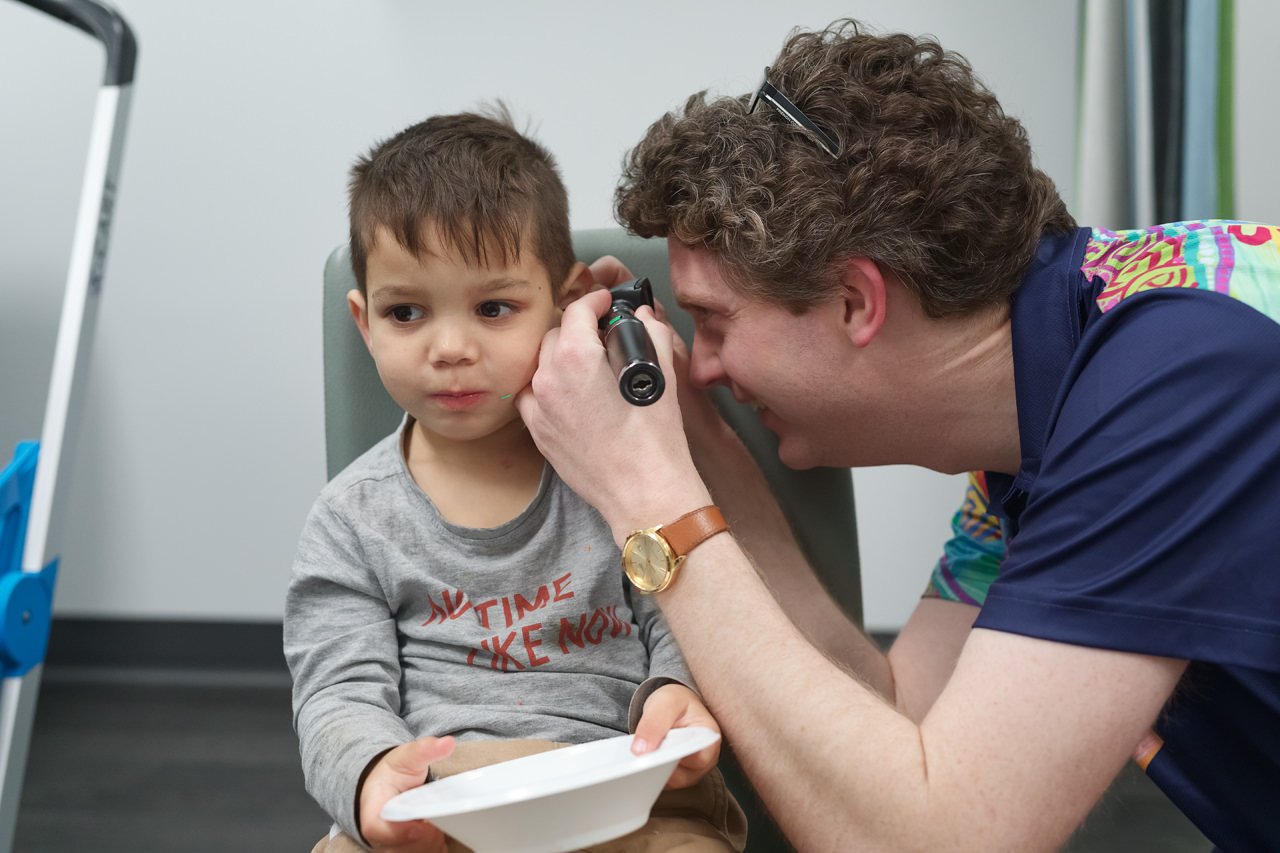
Paediatric audiologist Associate Professor Chris Brennan-Jones has been announced as a finalist for the country’s leading national science awards – the Australian Museum Eureka Prizes.
In Australian remote communities, First Nations children with otitis media (OM)-related hearing loss are disproportionately at risk of developmental delay and poor school performance, compared to those with normal hearing. Our objective was to compare OM-related hearing loss in children randomised to one of 2 pneumococcal conjugate vaccine (PCV) formulations.
Nontypeable Haemophilus influenzae (NTHi) is a major otitis media (OM) pathogen, with colonization a prerequisite for disease development. Most acute OM is in children <5 years old, with recurrent and chronic OM impacting hearing and learning. Therapies to prevent NTHi colonization and/or disease are needed, especially for young children. Respiratory viruses are implicated in driving the development of bacterial OM in children.
Elke Lea-Ann Ruth Peter Seppanen Kirkham Thornton Richmond BSc PhD PhD PhD MBBS MRCP(UK) FRACP Program Manager, Bacterial Respiratory Infectious
The Kids's Dr Ruth Thornton is one of 12 finalists in the annual national Fresh Science competition with her research into middle-ear infections.
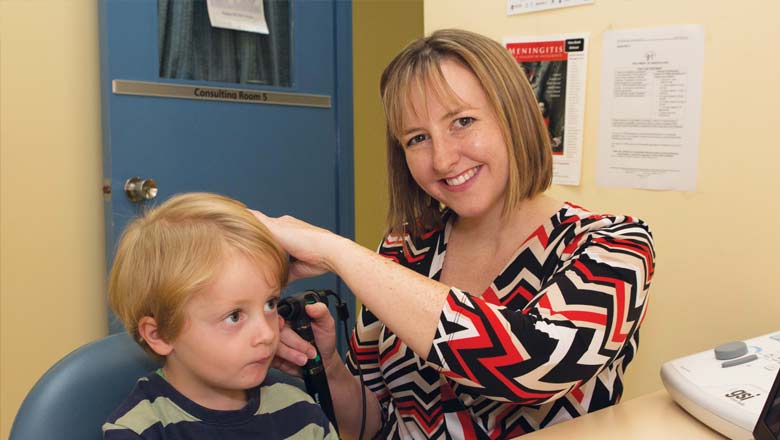
The Kids is investigating whether a cystic fibrosis medication may be the answer to ear infections, reducing the need for antibiotics and surgery.
The Kids Research Institute Australia researchers have found close to 40 per cent of Aboriginal babies begin to develop middle ear infections between two and four months of age in a first of its kind study in metropolitan Perth.
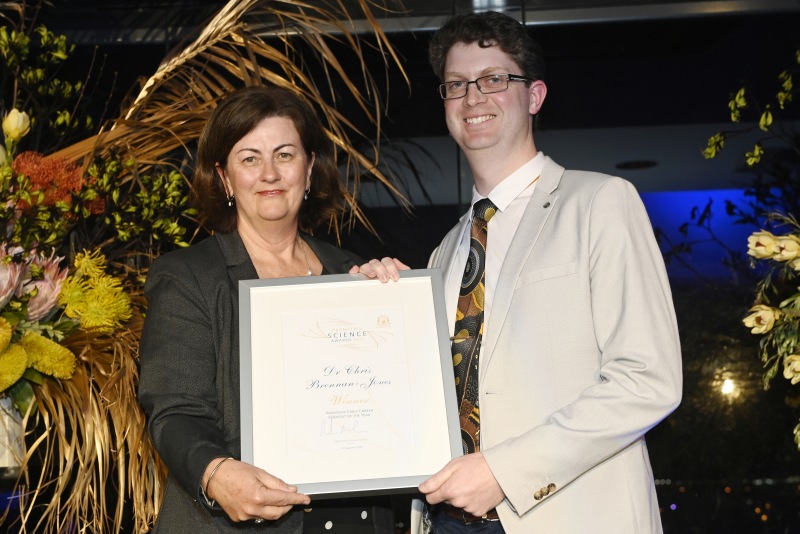
Congratulations to Telethon Kids Institute researcher Dr Chris Brennan-Jones who was named Woodside Early Career Scientist of the Year at last night’s 2020 Premier’s Science Awards.

The Deborah Lehmann Research Award in Paediatric Infectious Disease Research is a funding mechanism to support the training and development of early- to mid-career researchers (EMCR) or Higher Degree by Research (HDR) students who are nationals from the Pacific Region working in or outside their hom