
Search
Few studies have explored associations between indexes incorporating both breastfeeding and complementary feeding and future risk of overweight/obesity. The aim of this study was to explore associations between a previously developed Infant Diet Score (IDS; higher score reflecting better alignment with breastfeeding and complementary feeding guidelines in the first year of life), and the risk of overweight and/or obesity in childhood.
Adolescents living with type 1 diabetes (T1D) are faced with unique challenges to nutrition management. The current Perth Children's Hospital (PCH) T1D management model includes individualised education at diagnosis and annual reviews. Currently, no group education is provided to develop self-management skills for healthy meal preparation. Teaching Kitchens offers a skills-based program in food literacy and nutrition. This feasibility study explored if a Teaching Kitchens program at PCH engaged adolescents aged between 13 and 17 years, living with T1D.
In Australia, there are concerns that unrestricted junk food advertising during sports broadcasts increases short-term junk food consumption among viewers. Therefore, the present study aimed to estimate the impact of junk food and anti-junk food advertising on consumption inclinations.
The Australasian Society of Clinical Immunology and Allergy (ASCIA) Guideline: Infant Feeding for Food Allergy Prevention is an update of the 2016 ASCIA guideline. This updated guideline provides recommendations specifically in relation to infant feeding for food allergy prevention.
Common food allergens have been detected in breast milk with wide inter-individual variations in concentrations. As maternal factors, such as age, smoking, and body mass index have been associated with breast milk composition, we aimed to identify maternal characteristics associated with the concentration of food allergens in breast milk.

The Kids Research Institute Australia nutritionist Dr Roslyn Giglia says Australians are spending over $500 million a year on bottled water, when tap water is healthier.
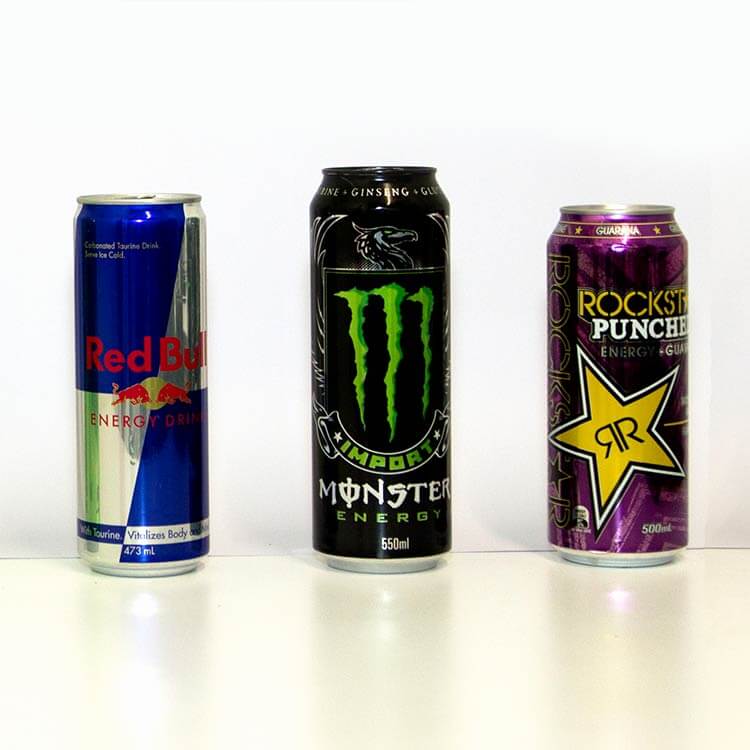
Researchers at the Telethon Kids Institute will study the health impacts of energy drinks on young people and develop guidelines for reducing consumption.

Nutritionist Dr Roslyn Giglia from The Kids Research Institute Australia shares her top 6 ways to get your kids to eat their vegies.
Too many sugary drinks for Aussie kids

A new study from Perth's Telethon Institute for Child Health Research has shown that children who are breastfed for longer than six months have a lower risk