
Search
New research links poor language to lack of Vitamin D in womb.
Exposure of skin to UV radiation (UVR) prior to allergen exposure can inhibit inflammatory airways disease in mice by reducing effector CD4+ T cells in both...
The objective was to examine whether there were causal links between vitamin D status, parathyroid hormone, insulin resistance.
Obesity often coexists with low calcium intake and vitamin D insufficiency.
Vitamin D has been linked in some studies with atopy- and asthma-associated phenotypes in children with established disease,but its role in disease inception...
Direct UV irradiation of dendritic cells and Langerhans cells reduces their Ag presenting ability. However, the effects of UV on CD11c(+) cells located...
Asthma is a chronic inflammatory disease of the small and large conducting airway mucosa characterised by Th2 cell immunity.

Head, Inflammation
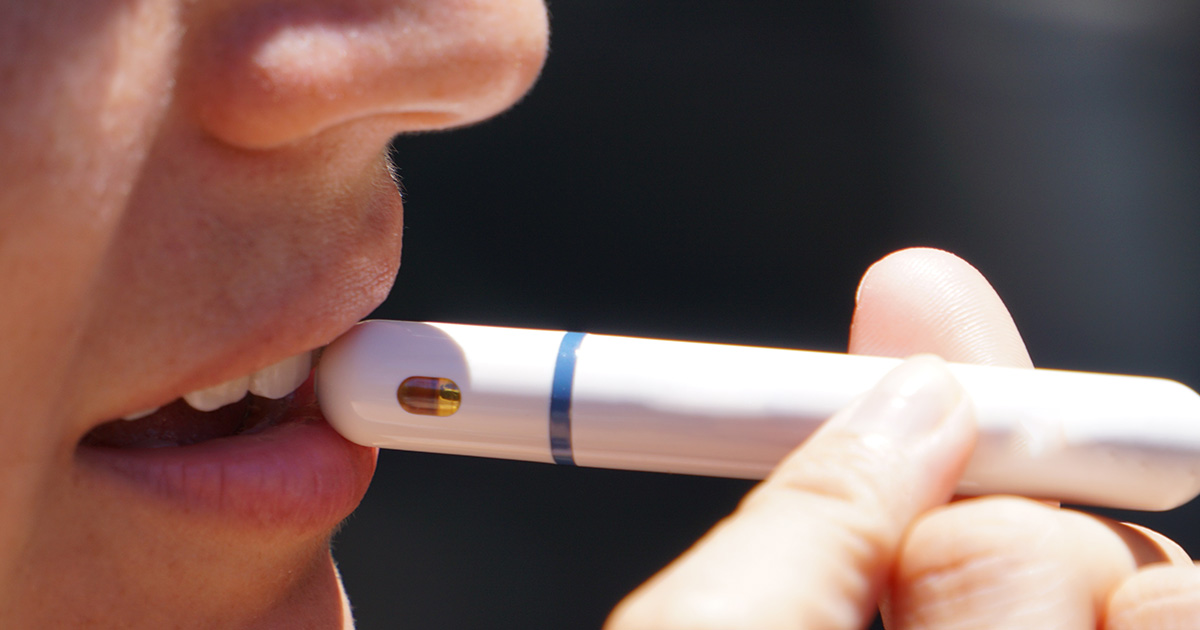
Researchers from The Kids Research Institute Australia and Cancer Council WA will team up on two projects aimed at identifying the most effective public health messaging for young people around SunSmart behaviours and how to stop vaping.

A study led by The Kids Research Institute Australia has suggested vitamin D supplementation in babies is no match for sunlight when it comes to preventing eczema.