
Search
While profound treatment responses have been realised using immunotherapy for some cancer types, this is yet to be seen for paediatric brain cancer patients.
Neuroblastoma is a complex childhood cancer of the nerve cells and the most common solid tumour in children outside of the brain. The average age of diagnosis is 1-2 years and tragically 50% of children with high-risk neuroblastoma lose their battle within five years.
Radiation therapy is an essential component of brain cancer treatment. However, the high doses currently required are extremely damaging to the growing brains and bodies of children.
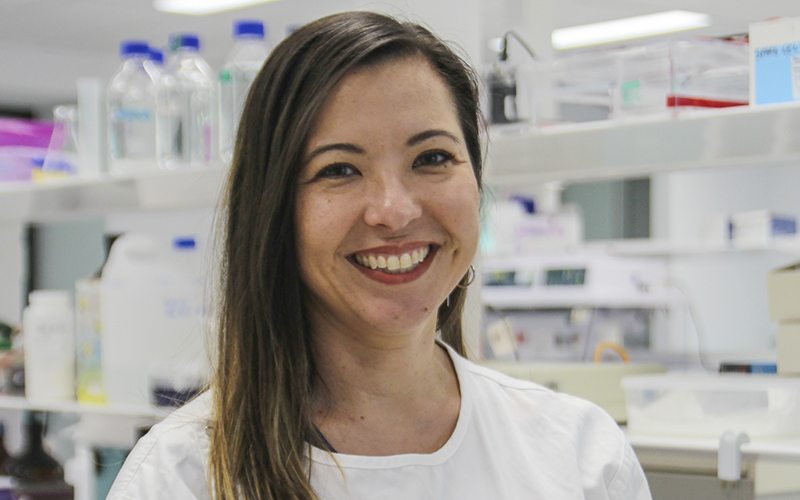
The Kids Research Institute Australia researcher, Dr Raelene Endersby, will work to develop less toxic treatments for children with brain cancer, thanks to support from Cancer Council WA.
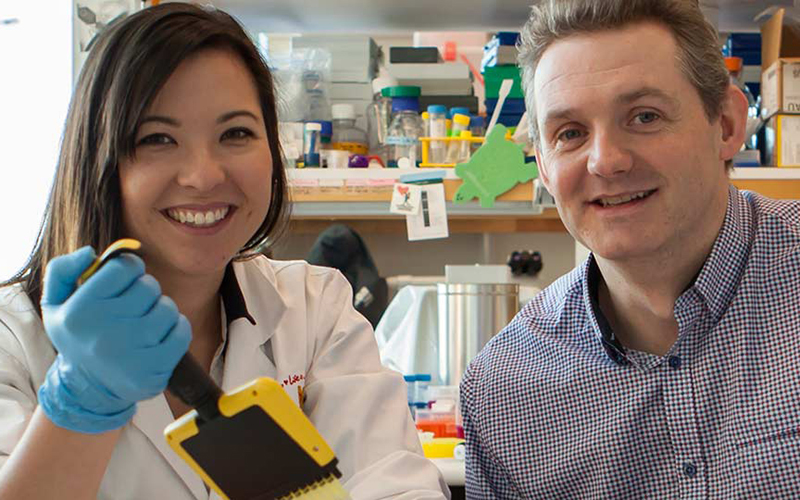
A new combination of drugs could help to increase survival rates with fewer side effects for some children with one of the most aggressive forms of childhood brain cancer.
Tissue resident memory T cells are cancer killing immune cells that have emerged as key players in immune-mediated control of solid cancers, as well as being markers of prognosis and predictors of response to immunotherapy.
Ependymomas (EPN) are the third most common malignant brain cancer in children. Treatment strategies for pediatric EPN have remained unchanged over recent decades, with 10-year survival rates stagnating at just 67% for children aged 0-14 years. Moreover, a proportion of patients who survive treatment often suffer long-term neurological side effects as a result of therapy. It is evident that there is a need for safer, more effective treatments for pediatric EPN patients.
Glioblastoma is the most common form of high-grade glioma in adults and has a poor survival rate with very limited treatment options. There have been no significant advancements in glioblastoma treatment in over 30 years. Epidermal growth factor receptor is upregulated in most glioblastoma tumours and, therefore, has been a drug target in recent targeted therapy clinical trials.
Chronic lymphocytic leukemia patients have an increased bleeding risk with the introduction of Bruton tyrosine kinase (BTK) inhibitors. BTK is a signaling effector downstream of the platelet GPVI receptor. Innate platelet dysfunction in CLL patients and the contribution of the leukemia microenvironment to the anti-platelet effect of BTK inhibitors are still not well defined.
The mitogen-activated protein kinase (MAPK) pathway signaling pathway is one of the most commonly mutated pathways in human cancers. In particular, BRAF alterations result in constitutive activation of the rapidly accelerating fibrosarcoma-extracellular signal-regulated kinase-MAPK significant pathway, leading to cellular proliferation, survival, and dedifferentiation.