
Search
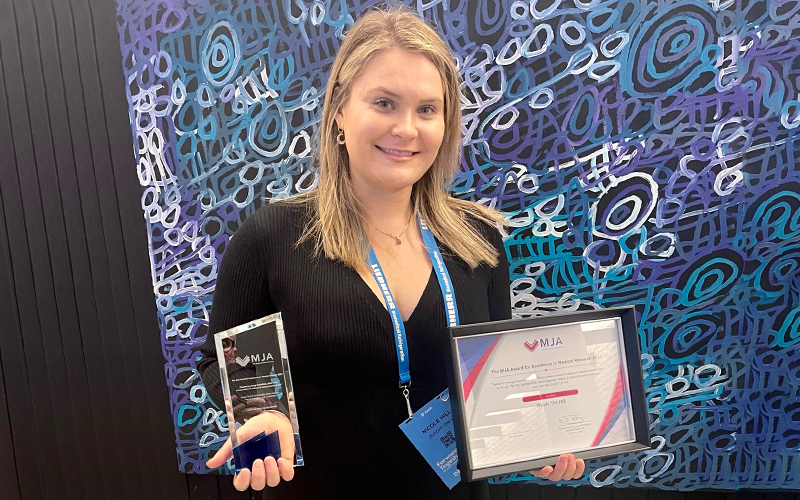
Dr Nicole Hill and a team of co-researchers from Orygen have received the 2021 Medical Journal of Australia (MJA) award for Excellence in Medical Research.
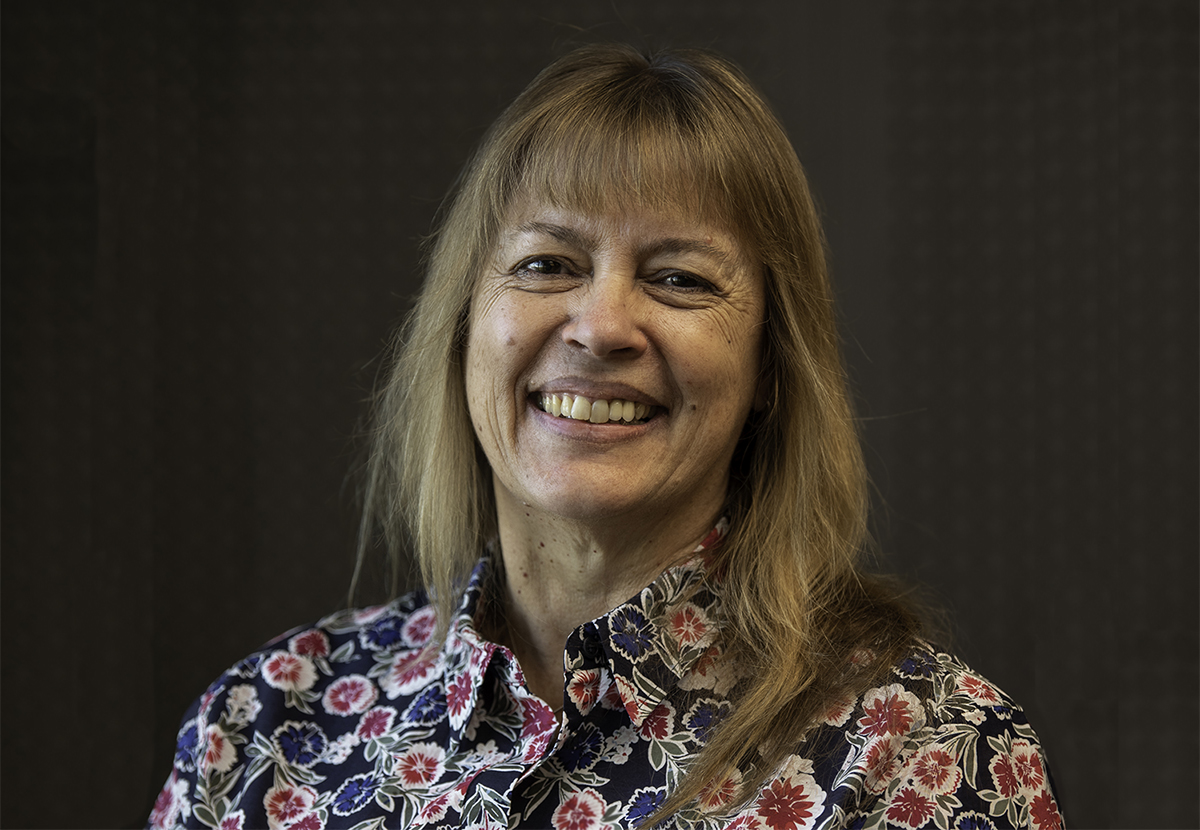
Pioneering Aboriginal psychiatrist, researcher and mental health champion Professor Helen Milroy has been named joint winner of the 2020 Australian Mental Health Prize.
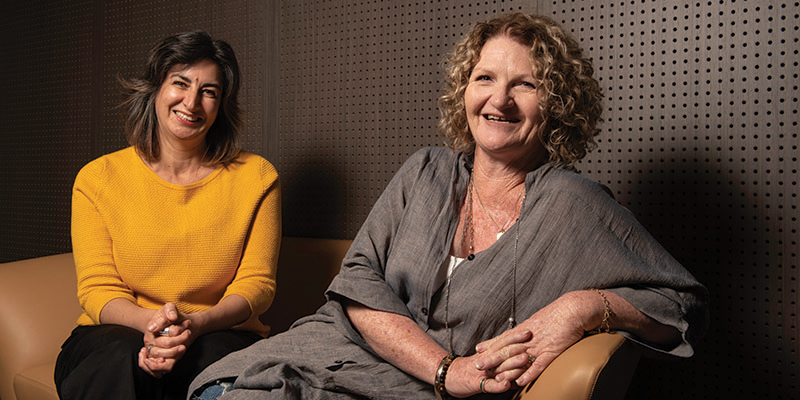
Embrace – a new research collaboration based at The Kids – will bring a new focus to understanding and improving the mental health of children and young people.
While depression and anxiety can have similar signs and symptoms, they also have some distinct features.
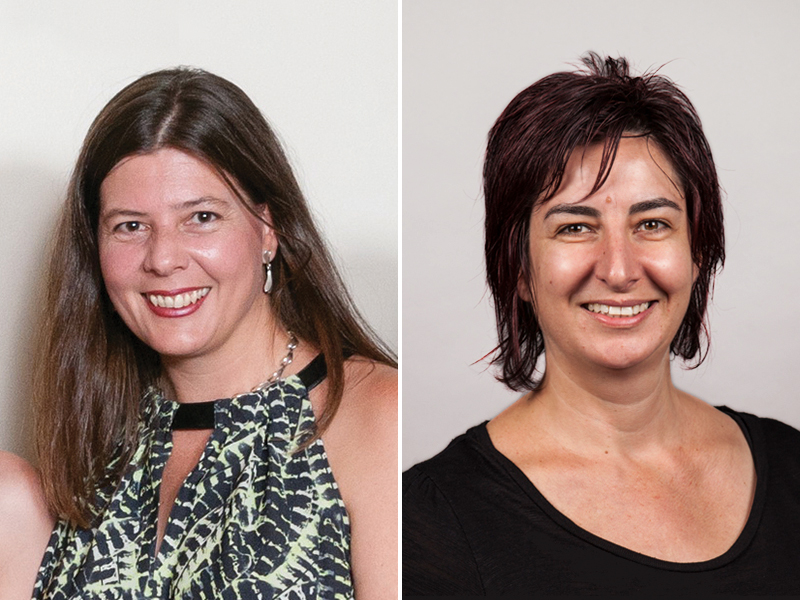
Two leading The Kids Research Institute Australia researchers will use more than $1.1 million in National Health and Medical Research Council funding to improve outcomes for some of the world’s most vulnerable children and young people.
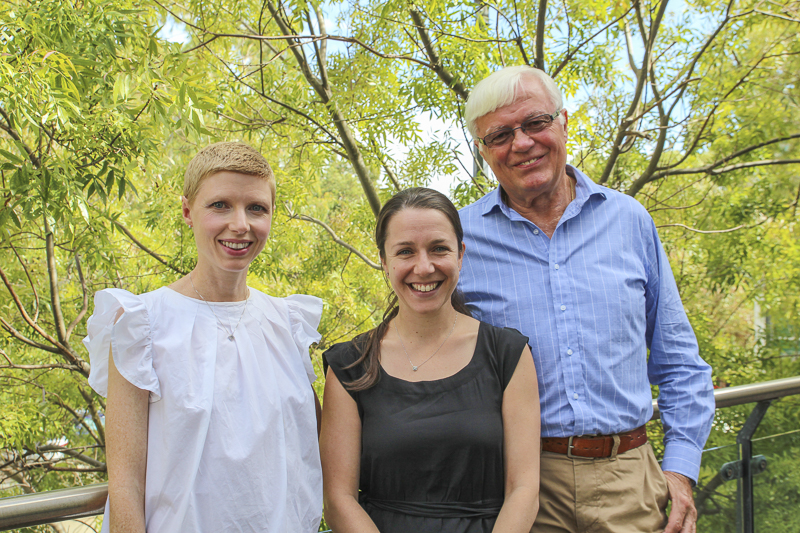
With mental health issues an escalating problem among young people, looking after the mental health of future generations has never been more
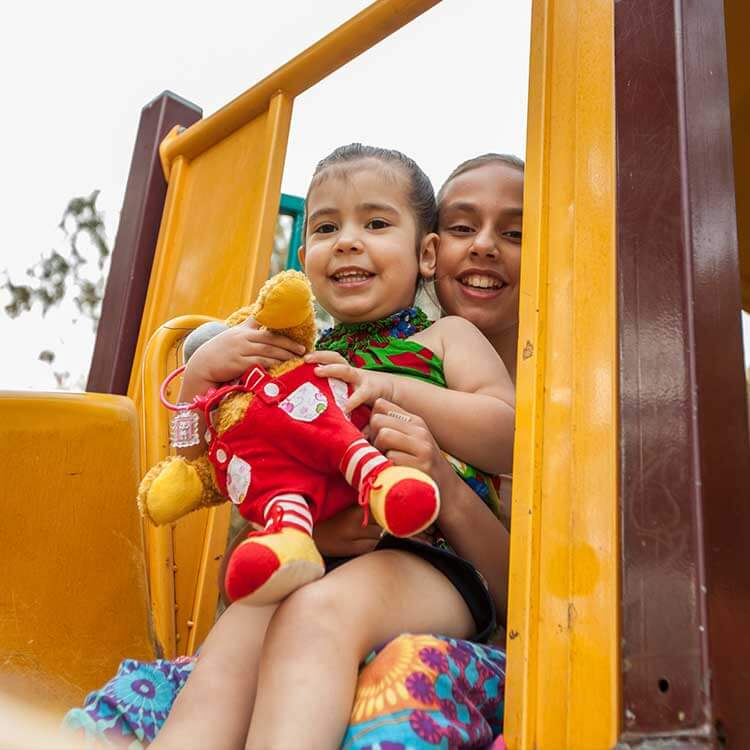
Australian researchers join global effort to better understand how events during pregnancy and childhood influence the development of disease later in life.
As well as specific symptom clusters, psychosis effects important non-symptom domains including social cognition and social-occupational functioning.
Shakara Yael Bep Liddelow-Hunt Perry Uink BPhil(Hons) BPsych (Hons) MPsych (Clin) PhD BPsych(Hons.), MAppPsy(Clinical), PhD Honorary Research
Parents of children with attention-deficit/hyperactivity disorder (ADHD) often make disclosure decisions about their child's ADHD on their behalf. While disclosure can facilitate access to support, it risks stigma. Despite ADHD being one of the most common neurodevelopmental conditions, little is known about parent's experiences in relating information about their child's ADHD diagnosis or medication use, to others.