Search
Research
Substrate-dependent metabolomic signatures of myeloperoxidase activity in airway epithelial cells: Implications for early cystic fibrosis lung diseaseMyeloperoxidase is released by neutrophils in inflamed tissues. MPO oxidizes chloride, bromide, and thiocyanate to produce hypochlorous acid, hypobromous acid, and hypothiocyanous acid, respectively. These oxidants are toxic to pathogens, but may also react with host cells to elicit biological activity and potential toxicity. In cystic fibrosis and related diseases, increased neutrophil inflammation leads to increased airway MPO and airway epithelial cell exposure to its oxidants.
Research
The effect of CFTR modulators on structural lung disease in cystic fibrosisNewly developed quantitative chest computed tomography (CT) outcomes designed specifically to assess structural abnormalities related to cystic fibrosis (CF) lung disease are now available. CFTR modulators potentially can reduce some structural lung abnormalities. We aimed to investigate the effect of CFTR modulators on structural lung disease progression using different quantitative CT analysis methods specific for people with CF (PwCF).
Research
Feasibility of unsedated lung MRI in young children with cystic fibrosisKathryn Ramsey BSc (Hons), PhD Co-Head, Foundations of Lung Disease kathryn.ramsey@thekids.org.au Co-Head, Foundations of Lung Disease Associate
Research
The SPEC scoreāA quantifiable CT scoring system for primary ciliary dyskinesiaStructural lung changes seen on computed tomography scans in persons with primary ciliary dyskinesia are currently described using cystic fibrosis derived scoring systems. Recent work has shown structural changes and frequencies that are unique to PCD, indicating the need for a unique PCD-derived scoring system.
Research
Novel method to select meaningful outcomes for evaluation in clinical trialsA standardised framework for selecting outcomes for evaluation in trials has been proposed by the Core Outcome Measures in Effectiveness Trials working group. However, this method does not specify how to ensure that the outcomes that are selected are causally related to the disease and the health intervention being studied. Causal network diagrams may help researchers identify outcomes that are both clinically meaningful and likely to be causally dependent on the intervention, and endpoints that are, in turn, causally dependent on those outcomes.
Research
Quality of life is poorly correlated to lung disease severity in school-aged children with cystic fibrosisThere is no data exclusively on the relationship between health-related quality-of-life (HRQOL) and lung disease severity in early school-aged children with cystic fibrosis (CF). Using data from the Australian Respiratory Early Surveillance Team for Cystic Fibrosis (AREST CF) we assessed the relationships between HRQOL, lung function and structure.
News & Events
International clinical trial reduced lung inflammation in young kids with cystic fibrosisPromising results from an Australian-led clinical trial could drastically change the way we care for young children with cystic fibrosis (CF).
News & Events
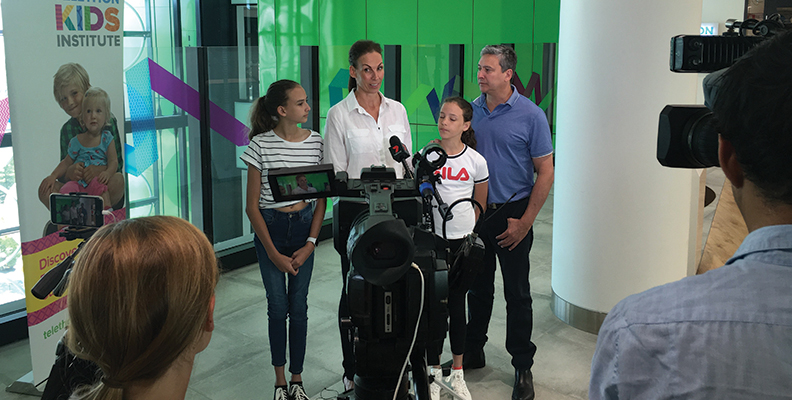
New drug therapy provides hope for kids with cystic fibrosisThe Kids Research Institute Australia spin-off company, Respirion, received $20 million in funding to develop a promising new therapy.
News & Events
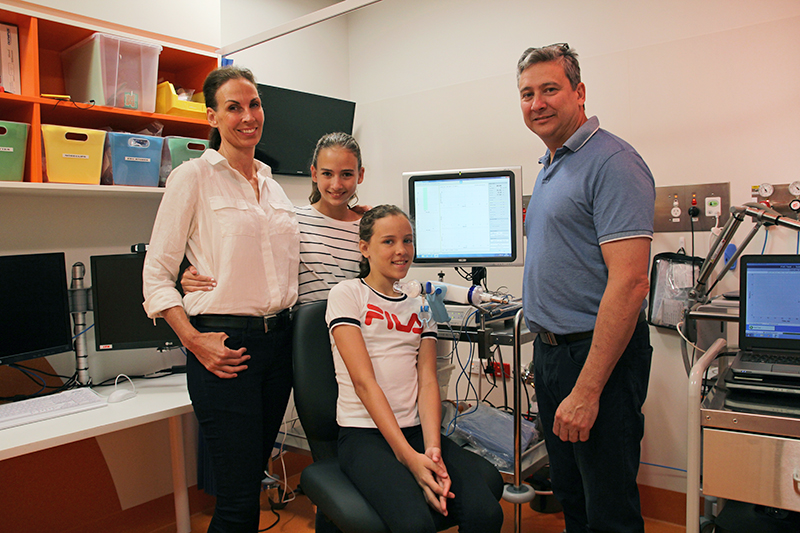
New drug therapy provides hope for kids with cystic fibrosisThe family of two girls with cystic fibrosis are hopeful after The Kids Research Institute Australia spin-off company, Respirion, receives $20 million in funding to develop a promising new therapy.
News & Events
MRCF launches Perth-based biotech developing new treatment for Cystic FibrosisA The Kids Research Institute Australia spin-off company has received $20 million from the Medical Research Commercialisation Fund to develop a promising new therapy for the treatment of Cystic Fibrosis.