
Search
This article documents the establishment of community laundries in rural/remote Aboriginal and Torres Strait Islander communities between 2000-2024, with the aim to support synergistic planning, implementation and evaluation.
In recent decades, field and semi-field studies of malaria transmission have gathered geographic-specific information about mosquito ecology, behaviour and their sensitivity to interventions. Mathematical models of malaria transmission can incorporate such data to infer the likely impact of vector control interventions and hence guide malaria control strategies in various geographies.
The clinical development of novel vaccines, injectable therapeutics, and oral chemoprevention drugs has the potential to deliver significant advancements in the prevention of Plasmodium falciparum malaria. These innovations could support regions in accelerating malaria control, transforming existing intervention packages by supplementing interventions with imperfect effectiveness or offering an entirely new tool.
Melissa Penny PhD, PD, BSc (Hons) Professor Fiona Stanley Chair in Child Health Research melissa.penny@thekids.org.au Professor Fiona Stanley Chair
Immunomodulatory proteins in human milk (HM) can shape infant immune development. However, strategies to modulate their levels are currently unknown. This study investigated whether maternal prebiotic supplementation alters the levels of immunomodulatory proteins in HM.
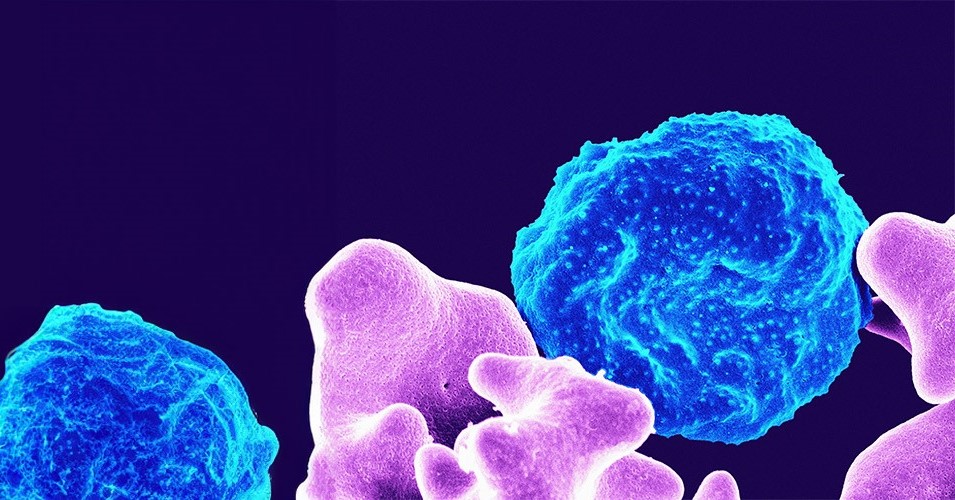
We help shape how the world responds to infectious diseases: guiding vaccine and treatment development, and advising on public health measures to control and eliminate disease. Our mathematical models capture how diseases spread, how severe infections are, and how childhood exposure shapes health across a lifetime.

Julian is the Program Manager for the Global Disease Modelling team at The Kids Research Institute Australia.

Epke is a veterinarian that specializes in infectious disease control, and holds a PhD in human neglected tropical disease (NTD) control and elimination.

A USD $3.25 million international grant will see researchers from The Kids Research Institute Australia and The University of Western Australia play a pivotal role in accelerating the development of next-generation malaria vaccines, helping protect children from one of the world's deadliest infectious diseases.
This project forms a program of modelling to inform the Gate's Foundation’s malaria product development portfolio, otherwise known as the Integrated Portfolio Management (IPM) project.