
Search
Traits and characteristics qualitatively similar to those seen in diagnosed autism spectrum disorder can be found to varying degrees in the general population. To measure these traits and facilitate their use in autism research, several questionnaires have been developed that provide broad measures of autistic traits [e.g. Autism-Spectrum Quotient (AQ), Broad Autism Phenotype Questionnaire (BAPQ)]. However, since their development, our understanding of autism has grown considerably, and it is arguable that existing measures do not provide an ideal representation of the trait dimensions currently associated with autism. Our aim was to create a new measure of autistic traits that reflects our current understanding of autism, the Comprehensive Autism Trait Inventory (CATI).
Several studies have explored relationships between parent broader autism phenotype and offspring communication, and have reported that autistic-like traits in parents are related to offspring communication difficulties and autism severity. However, past research has focused on studying such associations in childhood and we know very little about them in infancy. With accumulating evidence that interventions administered during infancy may be most effective in reducing ASD symptoms, it is imperative to examine whether relationships between parent autistic-like traits and child communication appear even earlier during this critical period of life.
Recent research highlights an overlap of gender diversity and autism spectrum disorders (ASD); however, data on individuals who are trans and also on the autism spectrum are largely from clinical samples and may not be representative of individuals who are trans with ASD in the general population. In addition, there is scant literature on the mental health of these individuals and their experiences in accessing gender-affirming care.
Autism spectrum disorder (ASD) is a complex neurodevelopmental condition whose biological basis is yet to be elucidated. The Australian Autism Biobank (AAB) is an initiative of the Cooperative Research Centre for Living with Autism (Autism CRC) to establish an Australian resource of biospecimens, phenotypes and genomic data for research on autism.
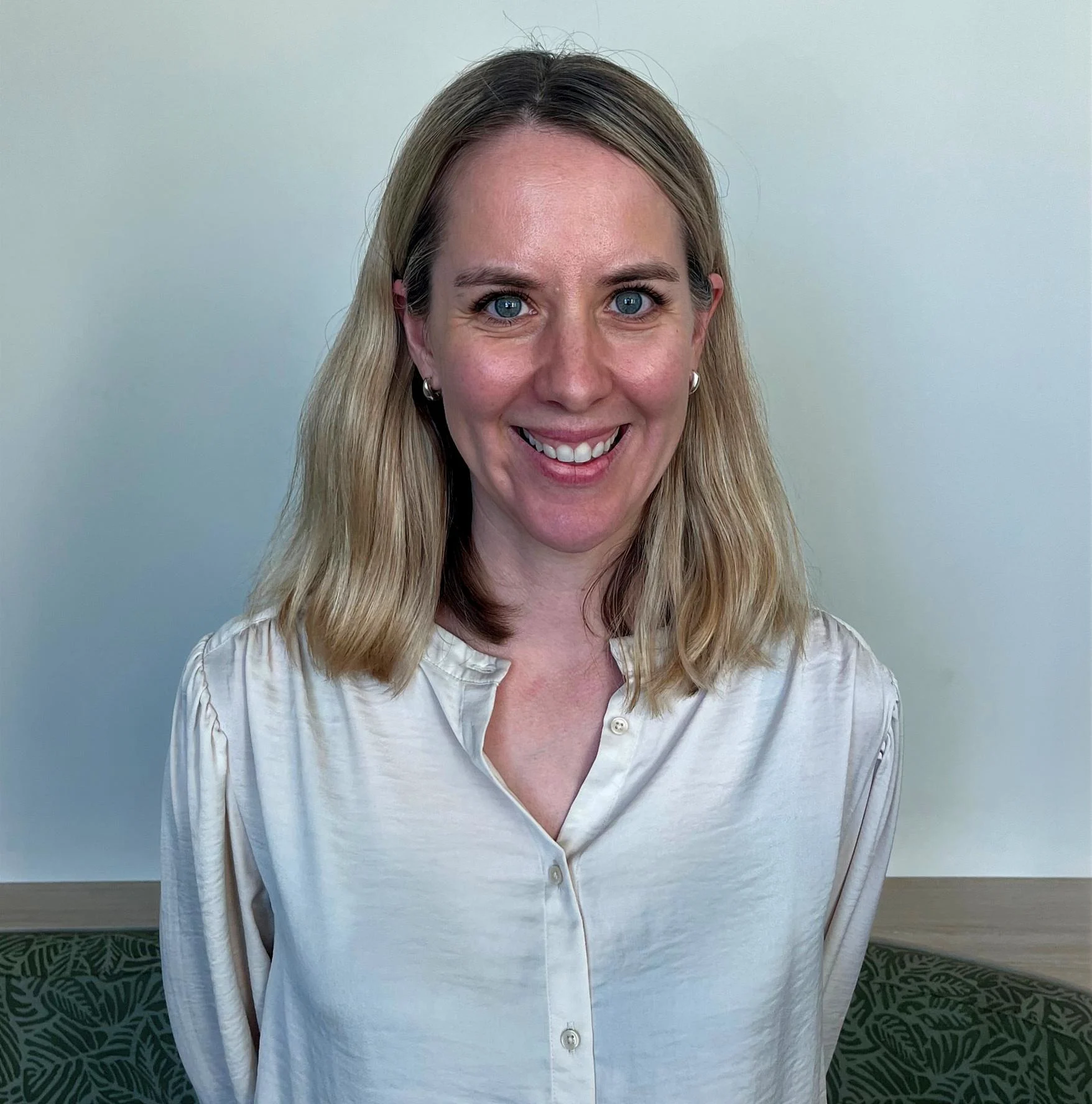
Lucy Donovan is a Senior Speech Pathologist at CliniKids
Shalom Ruggiero is an Occupational Therapist at CliniKids.
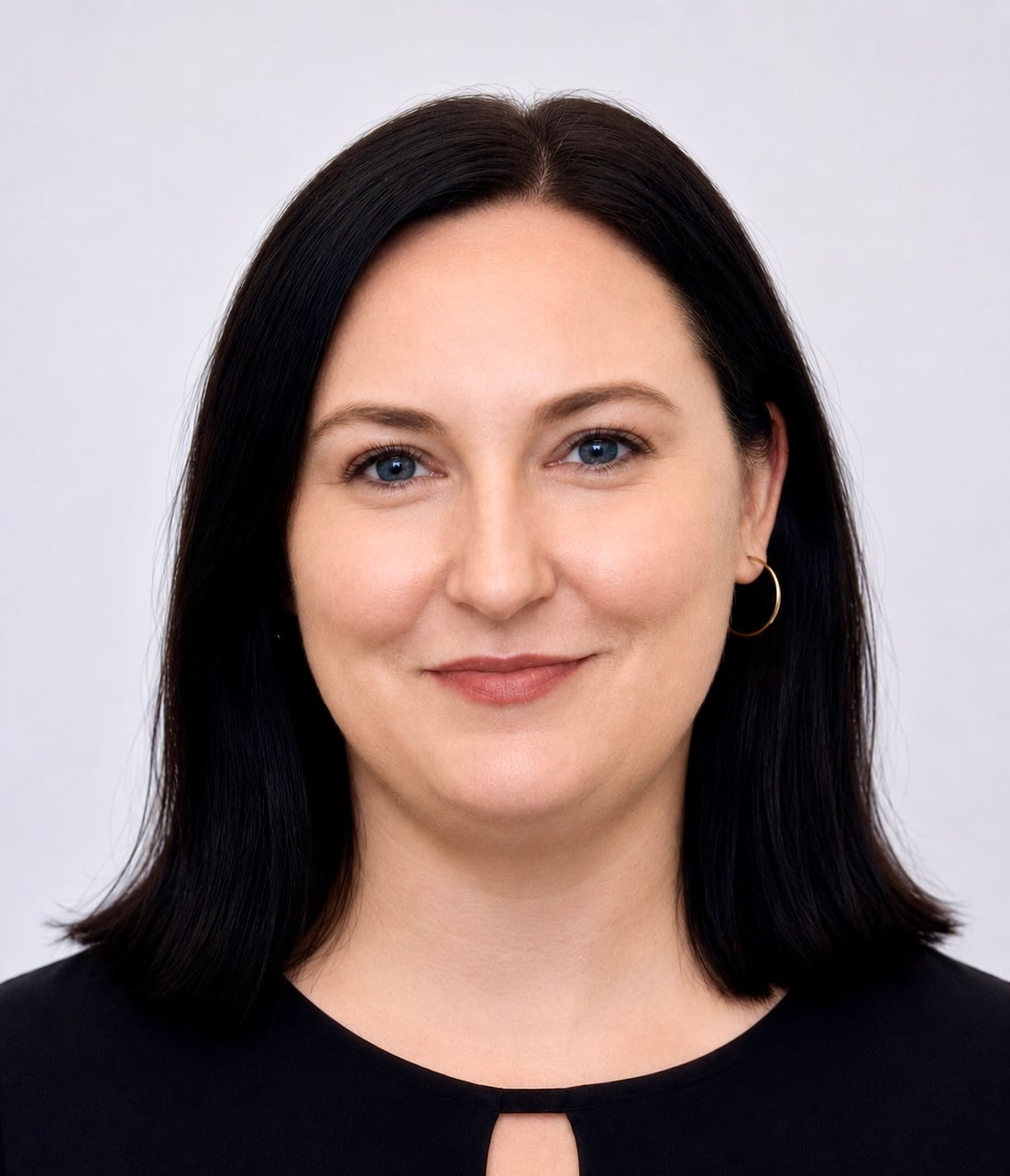
Rhianna Kidd is the Marketing and Events Coordinator at CliniKids.
Siu Min is a PhD candidate at The Kids Research Institute Australia and Edith Cowan University. Siu Min is a recipient of 2025/2026 Telethon Trust Fellowship with Child and Adolescent Community Health, for her research in nutrition in young autistic children.
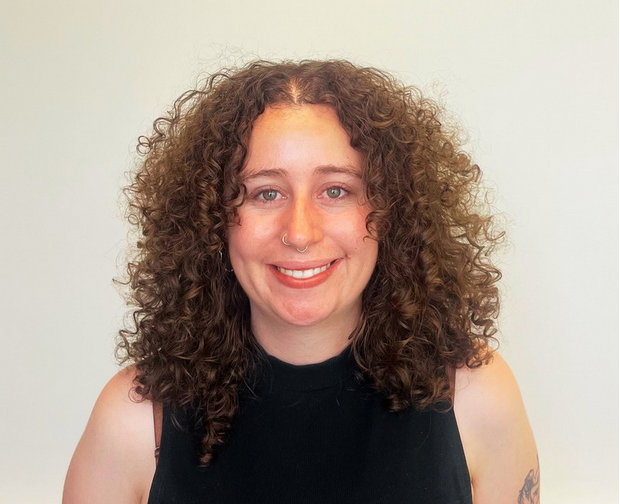
Emily recently completed a two-year postdoc at Stanford University, following their PhD in Developmental Psychology from the University of Melbourne in 2024.
Occupational Therapist