
Search
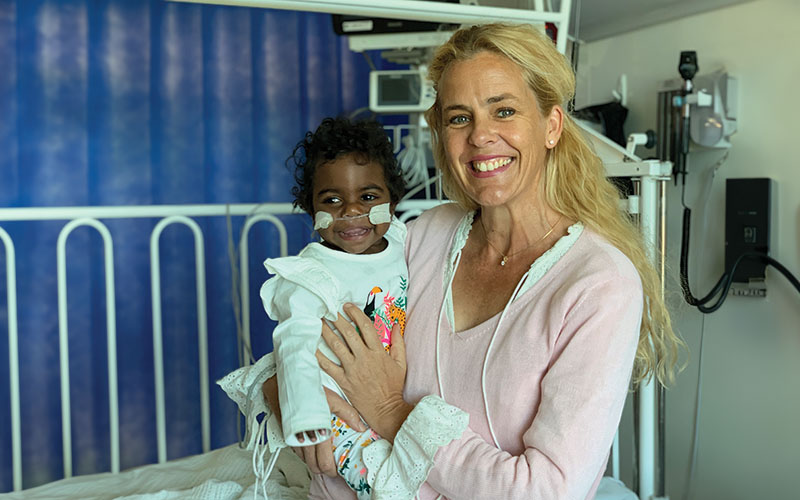
Culturally secure intervention to facilitate medical follow up for Aboriginal children, after being hospitalised with chest infections, have proven to improve long-term lung health outcomes.

A public health campaign to raise awareness about the dangers of chronic wet cough in Aboriginal children is helping to improve detection, diagnosis and management of the condition.
Plastic pyrolysis oil, which can be produced with similar properties as diesel fuel (plastic diesel), can be used as an alternative to mineral diesel (ULSD) to run a diesel engine. This presents a potential method for recycling waste plastic. Typically plastic diesel is blended with mineral diesel, and oxygenated fuel additives such as ethers added to improve resulting fuel properties.
Existing trajectory studies have emphasised large-airway indices, but chronic obstructive pulmonary disease (COPD) might originate in smaller airways. This study aimed to investigate mid-to-small-airway function trajectories, their associated factors, and COPD risk.
The impact of smallpox (variola) on Aboriginal communities in Australia beginning in 1789 was catastrophic and continues to cause intergenerational trauma. Historically biased perspectives and contemporary misinformation of the disease's introduction and spread impede modern-day truth-telling and efforts towards reconciliation and national healing.
Language is significant for communicating knowledge across cultures and generations and has the power to attribute meanings and alter our worldviews.
There is no published information on preterm children's activities and participation during middle childhood, a time when growth and development are characterised by increasing motor, reasoning, self-regulation, social and executive functioning skills. This study explored the health, activities and participation of children born very preterm during middle childhood (6-9 years) from the perspectives of their parents.
Small airway and lung parenchymal abnormalities frequently occur following preterm birth but are commonly missed by spirometry. Static lung volumes, diffusing capacity of the lung for carbon monoxide (D LCO) and oscillometry provide a more precise characterisation of these conditions. We hypothesised that differences in these measures exist between individuals born preterm and at term and we aimed to systematically review the literature to identify and quantify these differences in lung function.
Clinical utility of home polysomnography in children with neuromuscular disorders is limited by lack of evidence that sleep-disordered breathing can be reliably identified and inability to diagnose hypoventilation because carbon dioxide is not measured.
War and conflict severely disrupt public health systems, compromising infectious disease surveillance in many affected regions. Mpox, a re-emerging zoonotic disease, poses a growing global threat, especially in areas where traditional monitoring is inaccessible.The mpox virus has distinct clades with varying transmission and severity.