
Search
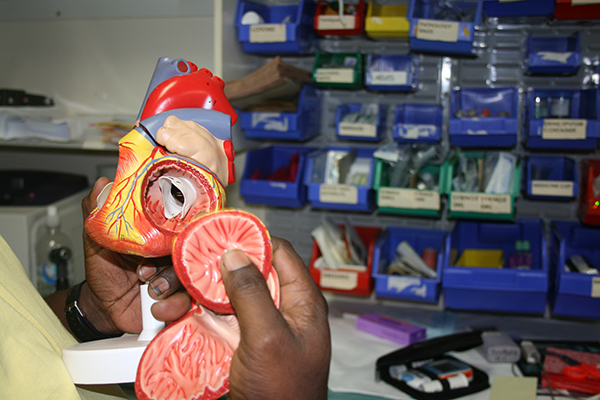
Health activities driven by remote Indigenous communities may be key to the sustainable and successful treatment and prevention of a potentially fatal disease, a study has found.
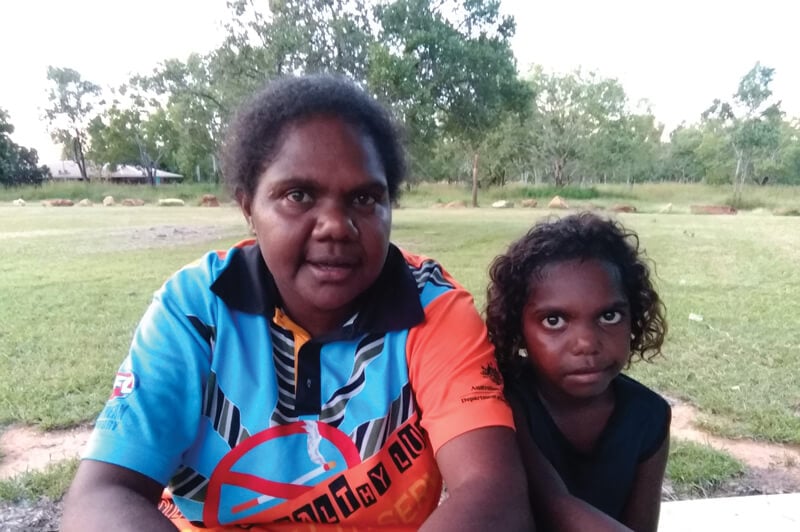
Collaboration is the driving force behind ‘END RHD Demonstration Communities’ – a new community-driven, research-backed approach to tackling rheumatic heart disease (RHD) in remote Australia.
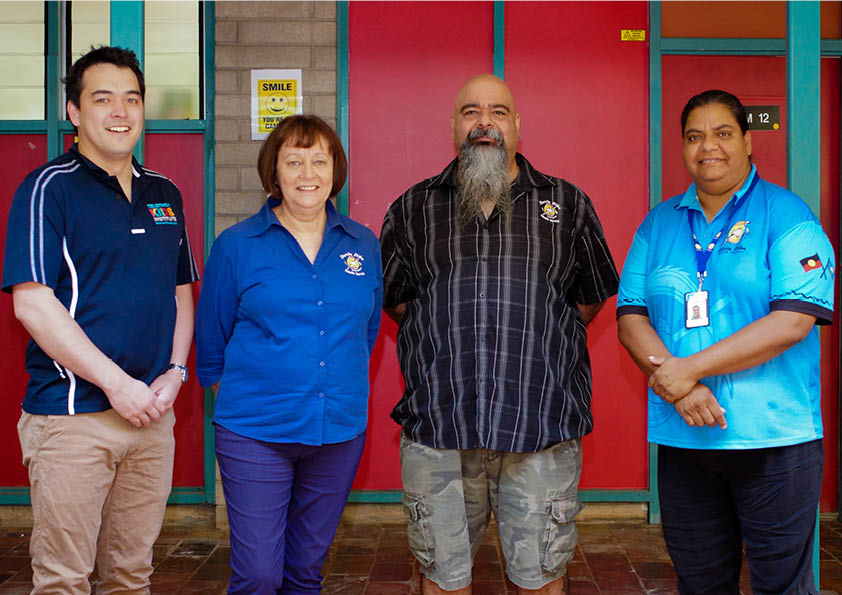
The Kids Research Institute Australia and Menzies School of Health Research have joined forces with Danila Dilba Health Service to look at improving treatment for RHD.
A new report predicts rheumatic heart disease (RHD) will lead to over 500 preventable deaths and cost the Australian health system $317 million by 2031 if no further action to tackle the disease is taken.
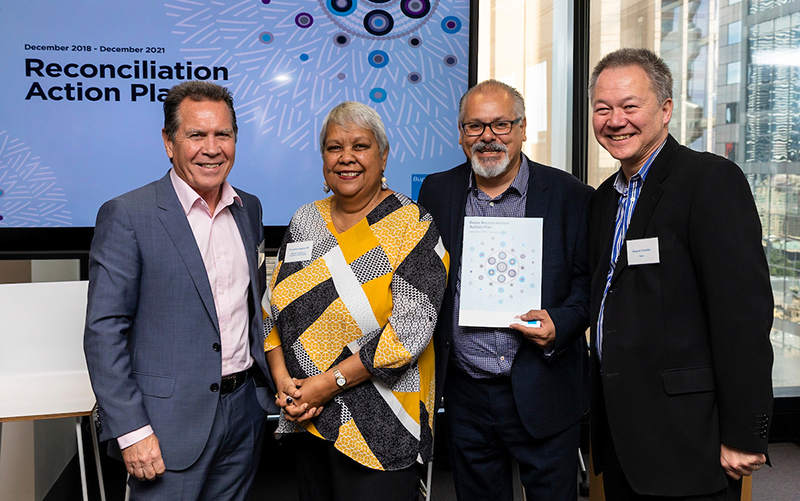
Researchers will extend a unique community-led project to end rheumatic heart disease in Aboriginal communities, thanks to nearly half a million dollars in funding from Bupa.
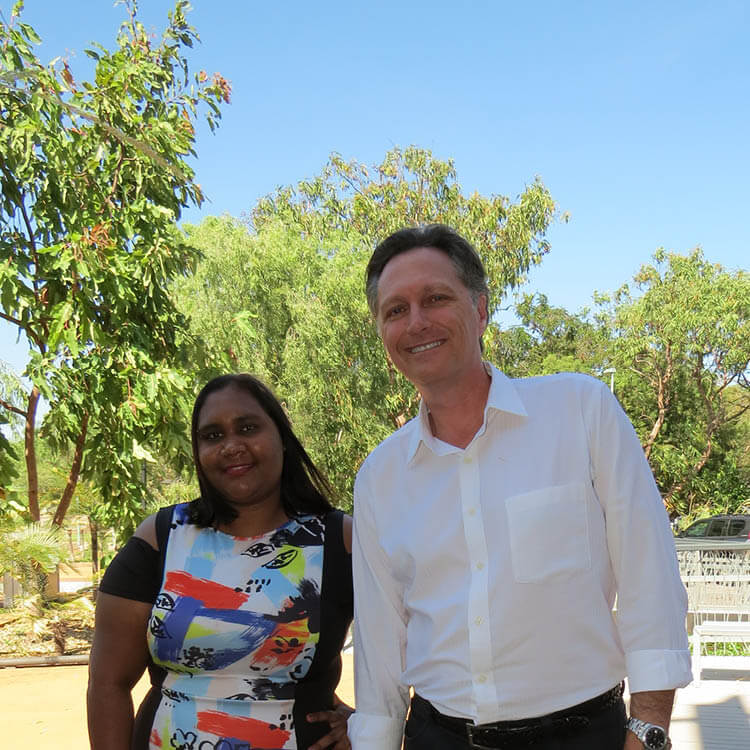
The Kids Research Institute Australia & Menzies School of Health Research will lead an international project to develop a diagnostic tool for acute rheumatic fever.
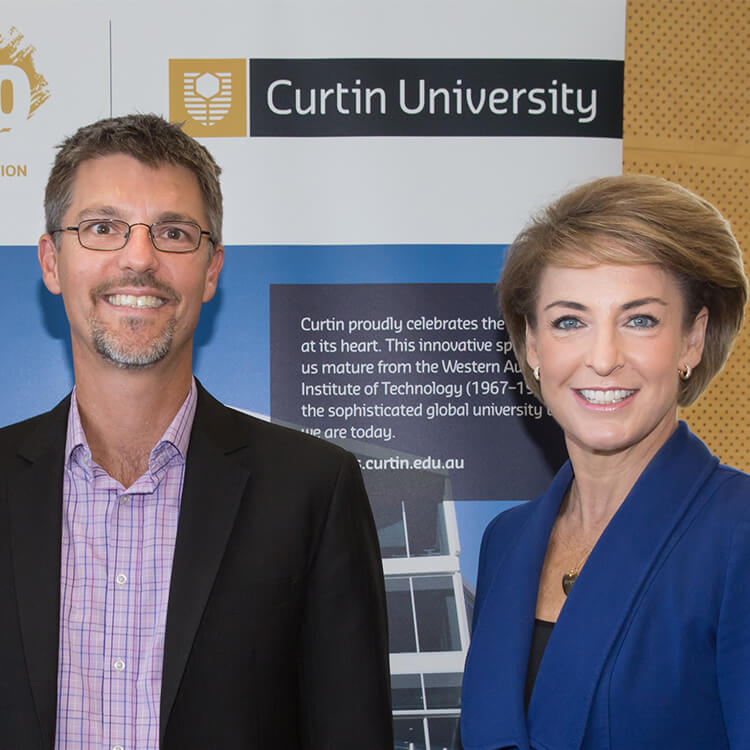
The Kids Research Institute Australia researchers have been awarded more than $8 million in prestigious project grants from the NHMRC.
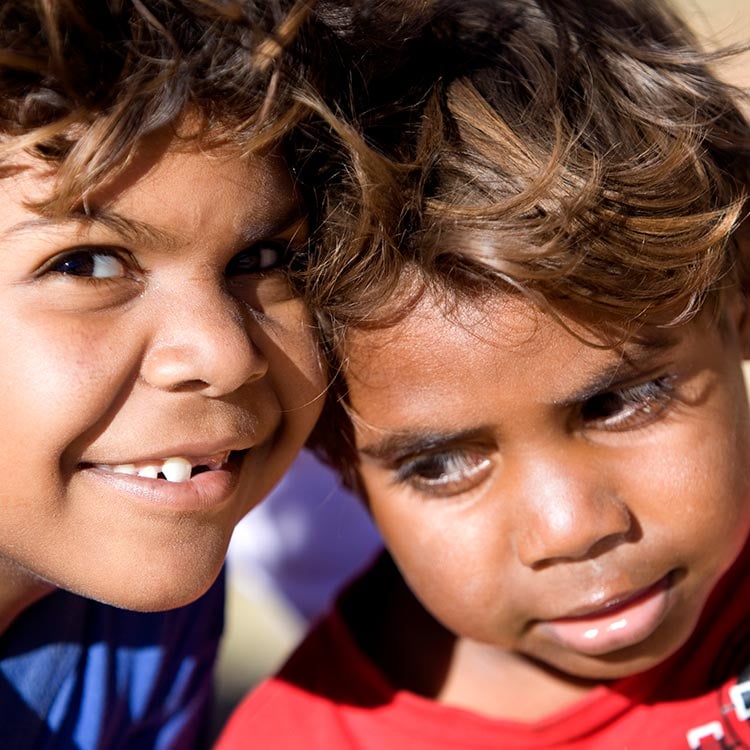
A new study shows that people living in the Oceania region, including Australia, have the highest risk in the world of dying from rheumatic heart disease.
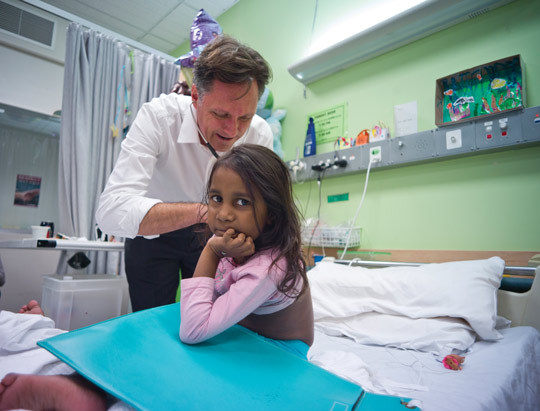
Researchers from The Kids Research Institute Australia are sharing expertise and knowledge to end rheumatic heart disease in this country.
Three Perth researchers from The Kids Research Institute Australia have today been named finalists for the 2016 Australian Museum Eureka Prizes.