
Search

Researchers will be asking random households across metropolitan Perth to undertake COVID tests to reveal how much undetected infection is in the community.
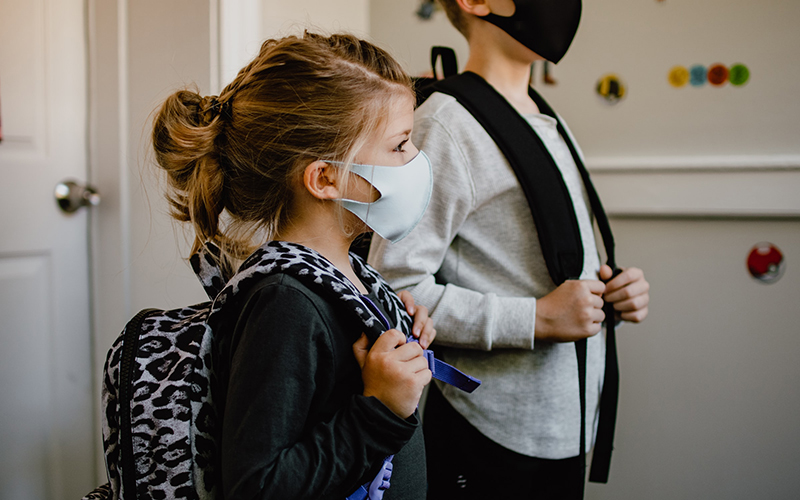
West Australian children as young as Year 3 are now turning up to school in masks, presenting a new challenge for kids, parents and schools.

WA parents and carers can have confidence in sending their children back to school on January 31 with the measures outlined in today’s Safe Return to School Plan.
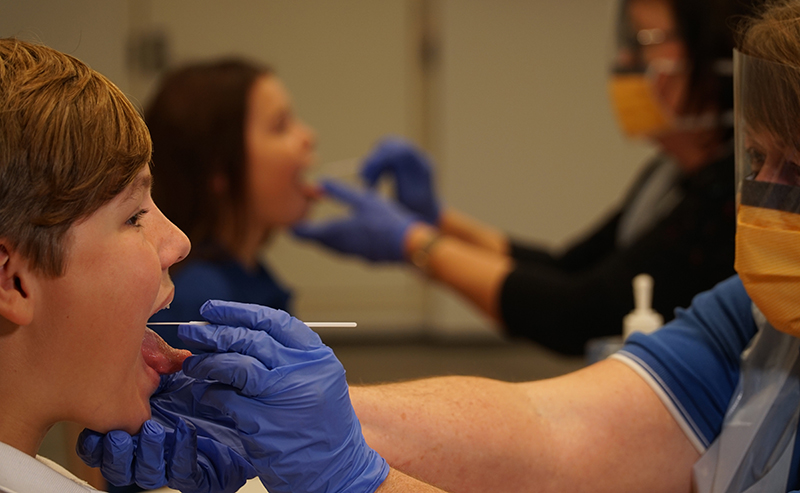
The DETECT Schools program is underway, with swabs taken at 13 of the participating schools across Western Australia. No asymptomatic COVID-19 has been detected to date.
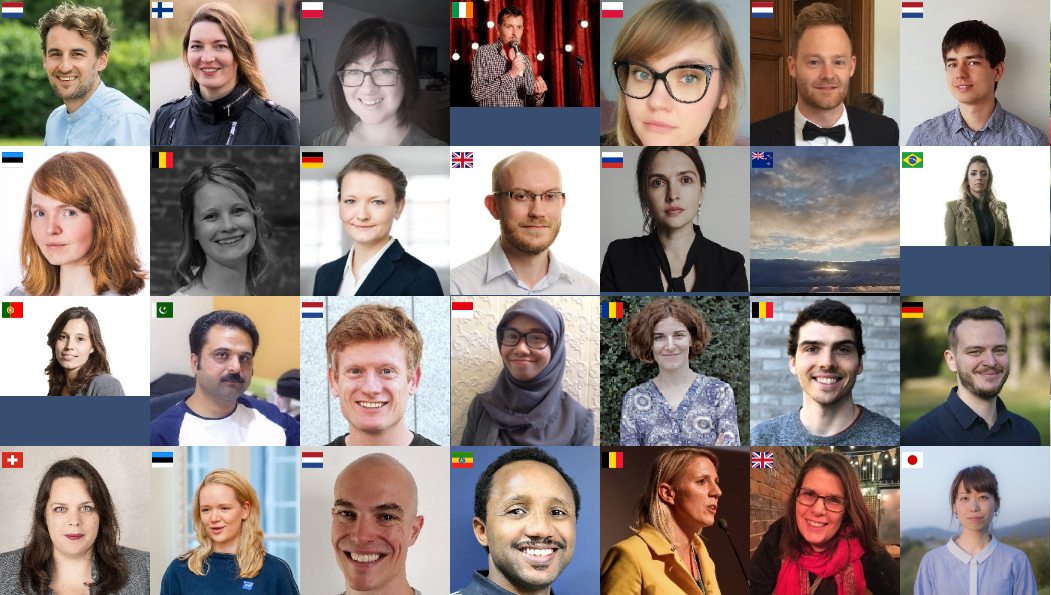
The Kids Research Institute Australia researchers have collaborated with global experts to launch an online tool designed to assess the risk of contracting COVID-19 and provide advice to reduce transmission.
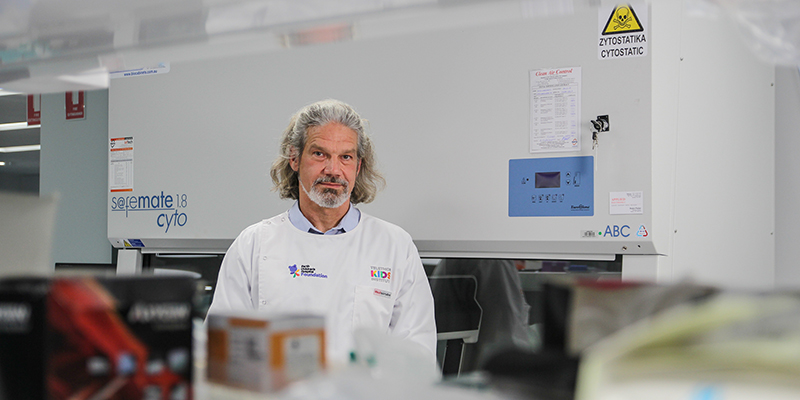
An international research collaboration, including The Kids Research Institute Australia infectious disease specialist Tobias Kollmann, has shown that the antiviral drug Interferon can speed up the recovery of COVID-19 patients.
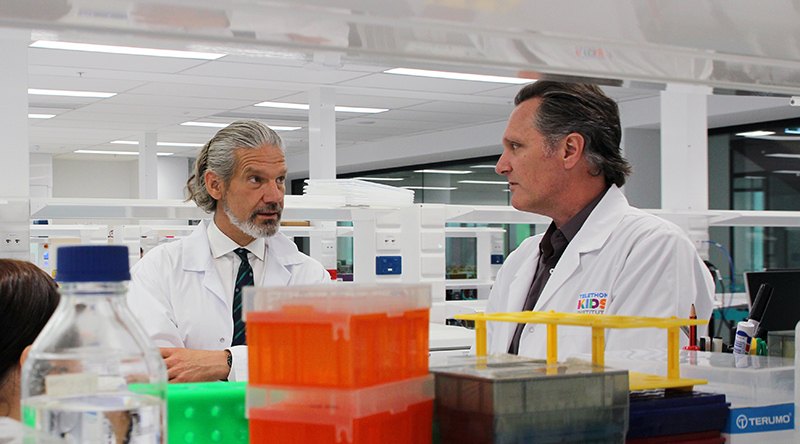
Researchers from The Kids Research Institute Australia will lead a world first trial to test the effectiveness of the drug interferon in stopping outbreaks of COVID-19 by reducing the infectiousness of people who contract the virus.
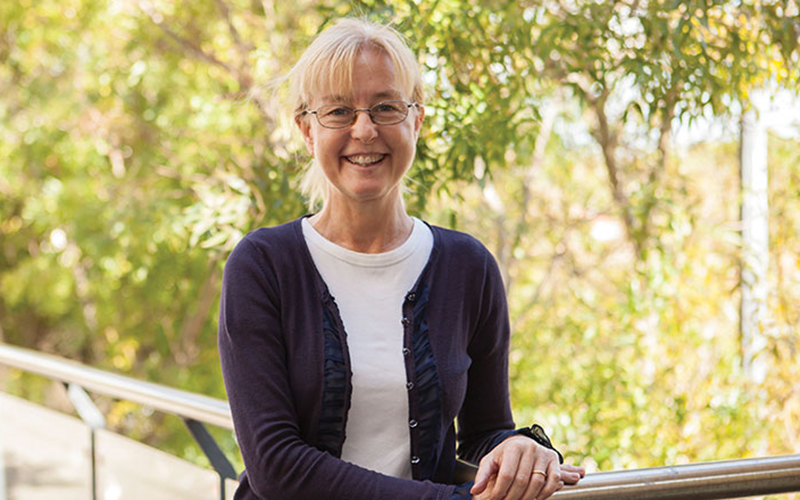
For families with a child with disability, this involves many extra care duties especially if their child has high and complex needs.

The rapidly developing coronavirus crisis is affecting our daily lives in unprecedented ways and brings with it uncertainty and fear.

The situation with COVID-19 is constantly evolving, and there is an extraordinary amount of information circulating which can be both overwhelming and difficult to navigate.