
Search
Maternal immune activation and prenatal maternal stress are well-studied risk factors for psychiatric conditions such as autism and schizophrenia. Animal studies have proposed the gut microbiome as a mechanism underlying this association and have found that risk factor-related gut microbiome alterations persist in the adult offspring.
In the Australian disability context, the assessment of children with neurodevelopmental conditions’ functioning (across all domains) is of increasing importance, particularly since the introduction of the National Disability Insurance Scheme. Currently, there is wide variability across assessment of functioning practices, including the choice and use of published tools for assessment.
Neurodevelopmental disorders (NDDs) have high comorbidity rates and shared etiology. Nevertheless, NDD assessment is diagnosis-driven and focuses on symptom profiles of individual disorders, which hinders diagnosis and treatment. There is also no evidence-based, standardized transdiagnostic approach currently available to provide a full clinical picture of individuals with NDDs. The pressing need for transdiagnostic assessment led to the development of the Neurodevelopment Assessment Scale.
Reading and writing are crucial life skills but roughly one in ten children are affected by dyslexia, which can persist into adulthood. Family studies of dyslexia suggest heritability up to 70%, yet few convincing genetic markers have been found.
Autism spectrum disorder (ASD), a neurodevelopmental condition characterised by social and communication differences, is complex and aetiologically heterogeneous. Untargeted metabolomics is emerging as a tool in screening for biochemical abnormalities. This research was conducted using the Australian Autism Biobank resource and involved analysis of plasma metabolites to characterise metabolite differences between autistic children and controls.
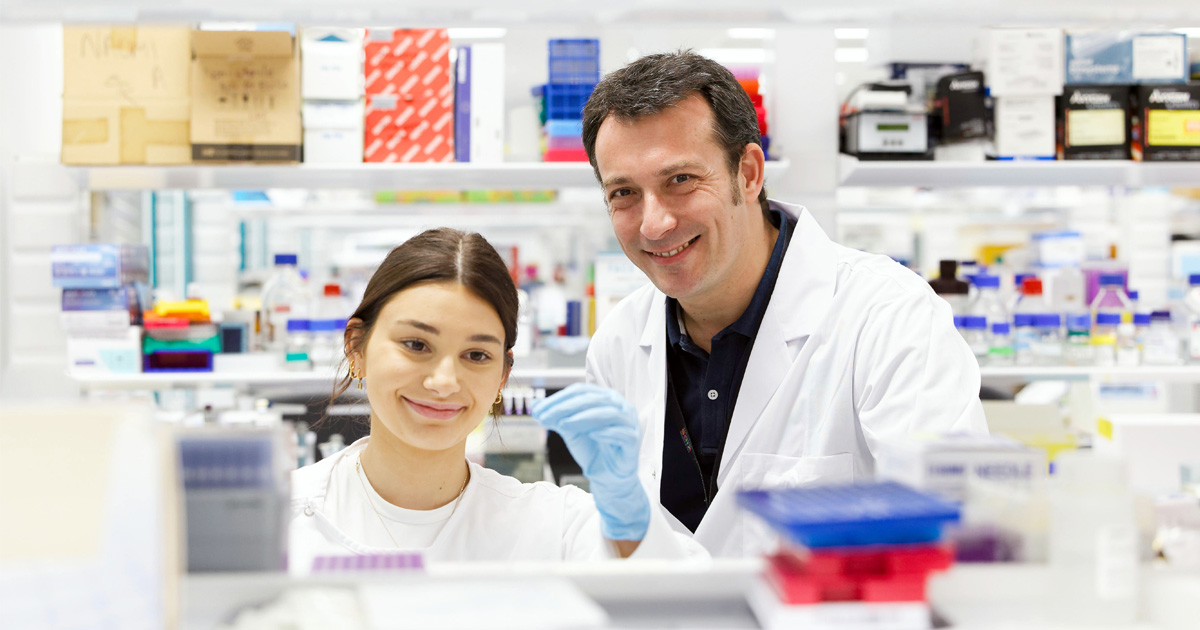
A team of world-leading scientists has secured $5 million in funding from the Leukaemia and Lymphoma Society to advance the fight against leukaemia in children with Down syndrome.
Children born to parents with intellectual disability (ID) have been shown as disproportionally represented in child protection services however with limited population-based research.
Accurate knowledge of the relationship between craniofacial anomalies (CFA), intellectual disability (ID) and autism spectrum disorder (ASD) is essential to improve services and outcomes. The aim is to describe the association between CFA, ID and ASD using linked population data.
Individuals with Prader-Willi syndrome (PWS) often have excessive daytime sleepiness and emotional/behavioral disturbances. The objective of this study was to examine whether daytime sleepiness was associated with these emotional/behavioral problems, independent of nighttime sleep-disordered breathing, or the duration of sleep.
Children with neurodevelopmental disorders share common phenotypes, support needs and comorbidities. Such overlap suggests the value of transdiagnostic assessment pathways that contribute to knowledge about research and clinical needs of these children and their families.