
Search
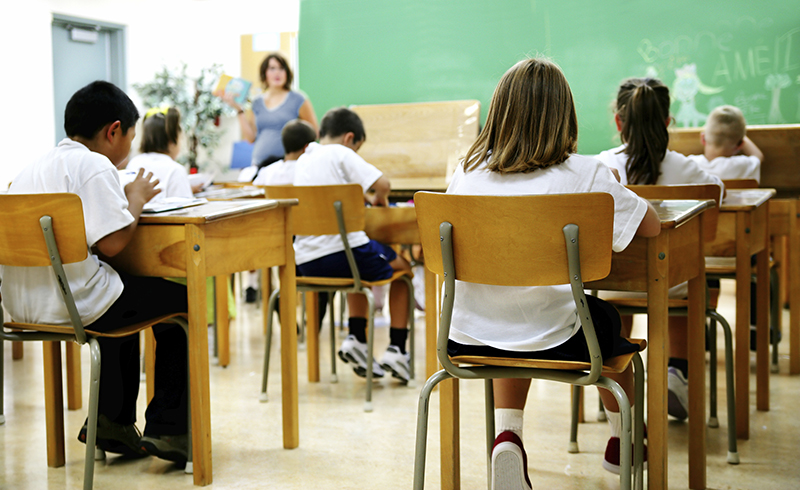
Schools are issuing restrictions around attendance after travel overseas due to coronavirus. Here's how to prepare your kids against the spread of infectious disease on their return to school.
Investigator: Nisali Gamage Project description We critically review new studies which are emerging that report findings related to the effects of UV
Influenza remains an important cause of pediatric morbidity and mortality. Immunisation is critical to prevent hospitalisation and severe disease. The COVID-19 pandemic had far-reaching effects on influenza epidemiology and vaccine use.
The COVID-19 pandemic drove the implementation of vaccine mandates to protect spaces and/or increase vaccine uptake, though their design, timing, and scope varied across jurisdictions. This study examines the associations of vaccine mandate announcements and removals with COVID-19 vaccine uptake in France, Italy, and California (USA).
Vaccine mandates were widely implemented against COVID-19, and a large and multidisciplinary literature has emerged as a result, covering fields such as epidemiology, economics, ethics, and law. We compiled an openly available repository of this literature, including 503 studies on COVID-19 vaccine mandates.
The COVID-19 pandemic evidenced the critical role of vaccination in reducing the severity of illness and the risk of infection. Despite the policies and efforts of governments to increase vaccination uptake, COVID-19 immunization among Australian Aboriginal pregnant women is lower compared to vaccine uptake of non-Indigenous pregnant women.
The Platform trial In COVID-19 priming and BOOsting (PICOBOO) is a multi-site, adaptive platform trial designed to generate evidence of the immunogenicity, reactogenicity, and cross-protection of different booster vaccination strategies against severe acute respiratory syndrome coronavirus 2 and its variants, specific for the Australian context.
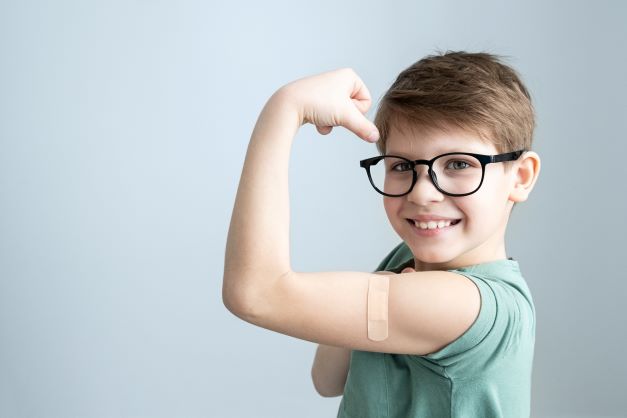
A first-of-its-kind national study looking at the optimal COVID-19 vaccination strategies for children and adolescents is set to begin at Perth’s The Kids Research Institute Australia thanks to a $3.8 million funding injection from the Australian Government’s Medical Research Future Fund (MRFF).
This study presents an optimised cultured ELISpot protocol for detecting central memory T-cell interferon gamma (IFNγ) responses against SARS-CoV-2 peptides following an initial priming with either peptides, or whole spike protein.
Influenza and COVID-19 vaccine uptake among pregnant women is sub-optimal. We assessed the effectiveness of a multi-component behavioural nudge intervention to improve COVID-19 and influenza vaccine uptake among pregnant women.