Search
To explore parents' experiences of using continuous glucose monitoring in their young children with early-stage type 1 diabetes, being followed in the Australian Environmental Determinants of Islet Autoimmunity (ENDIA) study.
To determine the efficacy of advanced hybrid closed-loop therapy in a high-risk cohort of youth on continuous subcutaneous insulin infusion with or without continuous glucose monitoring with suboptimal glycemia.
The COVID-19 pandemic has seen evidence and advice evolve quickly. Since the start of the pandemic there has been confusion and concern about breastfeeding and COVID-19, and advice for this group has at times been contradictory. The volume of information on social media has exacerbated this. This study aimed to understand breastfeeding-related COVID-19 information sharing on social media during the global and Australian vaccine roll-out.
Autoantibodies to pancreatic islet antigens identify young children at high risk of type 1 diabetes. On a background of genetic susceptibility, islet autoimmunity is thought to be driven by environmental factors, of which enteric viruses are prime candidates.
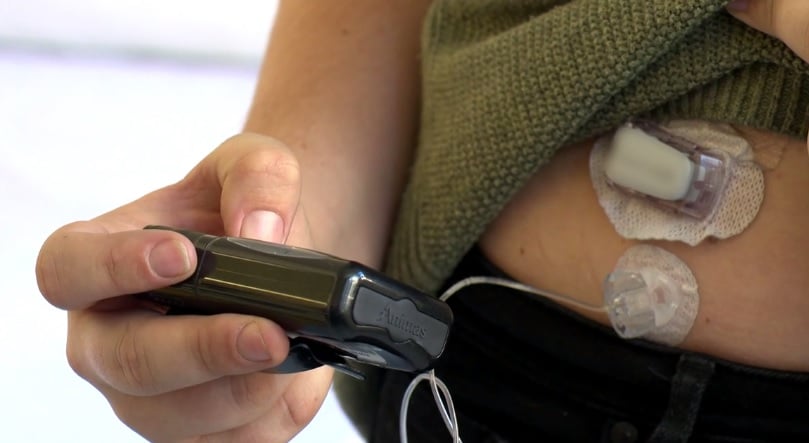
In Australia, access to insulin pump therapy for children with type 1 diabetes is predominantly restricted to families with private health insurance. In an attempt to improve equity, additional subsidised pathways exist which provide pumps to families with reduced financial resources. We aimed to describe the outcomes and experiences of families with children commenced on pumps through these subsidised pathways in Western Australia.
Type 1 diabetes is well-recognised as a continuum heralded by the development of islet autoantibodies, progression to islet autoimmunity causing beta cell destruction, culminating in insulin deficiency and clinical disease. Abnormalities of glucose homeostasis are known to exist well before the onset of typical symptoms.
A 28-year-old man with congenital hypogonadotropic hypogonadism (CHH) was found to be heterozygous for the GNRH1 p.R31C mutation, reported in the literature as pathogenic and dominant. The same mutation was found in his son at birth, but the testing of the infant at 64 days confirmed the hormonal changes associated with minipuberty.
Technology use, including continuous glucose monitoring (CGM) and insulin pump therapy, is associated with improved outcomes in youth with type 1 diabetes (T1D). In 2017 CGM was universally funded for youth with T1D in Australia. In contrast, pump access is primarily accessed through private health insurance, self-funding or philanthropy.
Type 1 diabetes presents significant challenges for optimal management. Despite intensive glycaemic control being the standard of care for several decades, glycaemic targets are infrequently achieved and the burden of complications remains high. Therefore, the advancement of diabetes management technologies has a major role in reducing the clinical and economic impact of the disease on people living with type 1 diabetes and on health care systems.
Serum 25 hydroxyvitamin D [25(OH)D] levels of pregnant women have been linked to various health outcomes in their offspring. Satellite-derived ultraviolet radiation (UVR) data have been used as a proxy for 25(OH)D levels, as individual-level cohort studies are time-consuming, costly and only feasible for common outcomes.