
Search
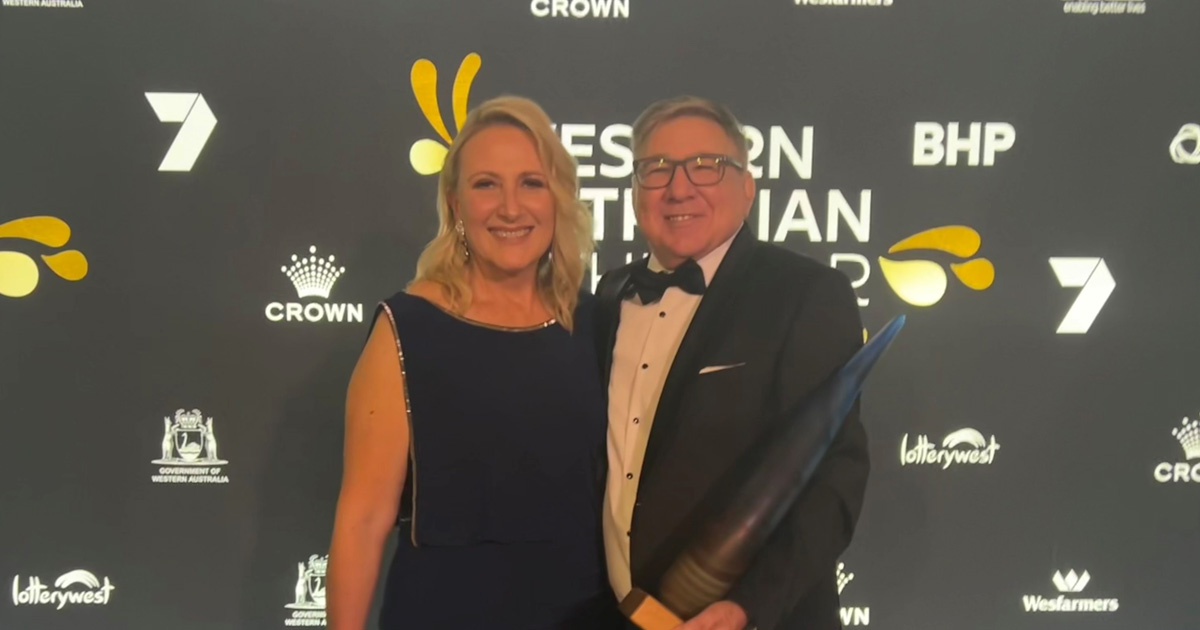
The Kids Research Institute Australia extends its warmest congratulations to health consumer champion Mitch Messer, who won the Community category at the 2024 West Australian of the Year awards last night.
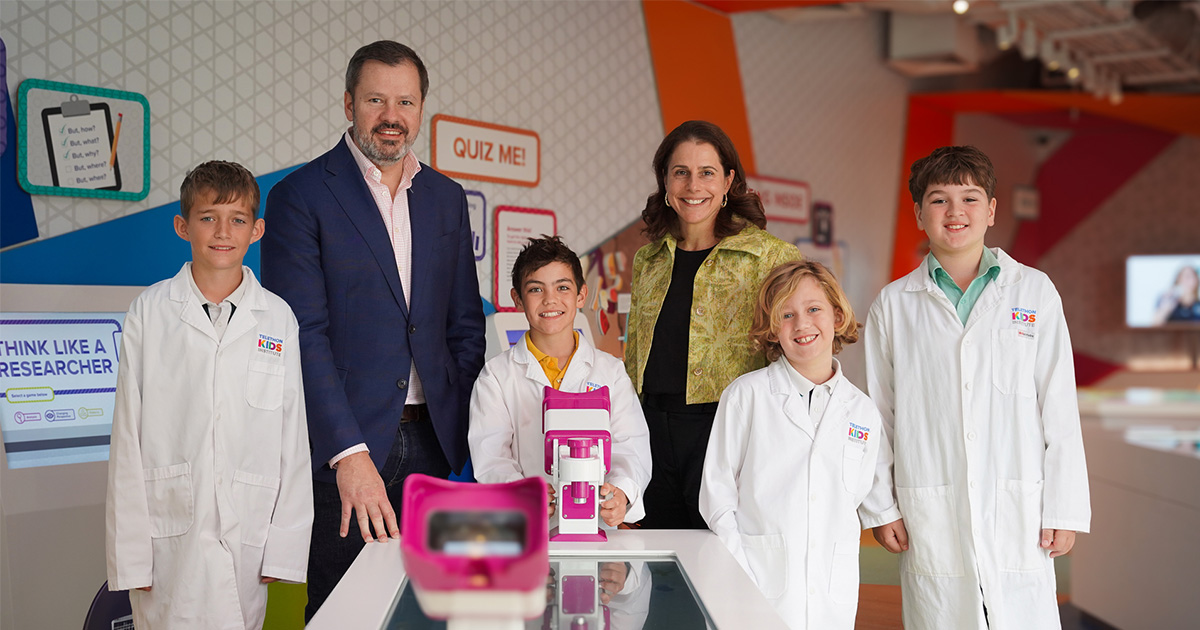
The Kids Research Institute Australia will bring science to the Kimberley for a second year in 2024 after the Federal Government today announced a $20,000 grant for the Institute to deliver the Broome STEM Festival.
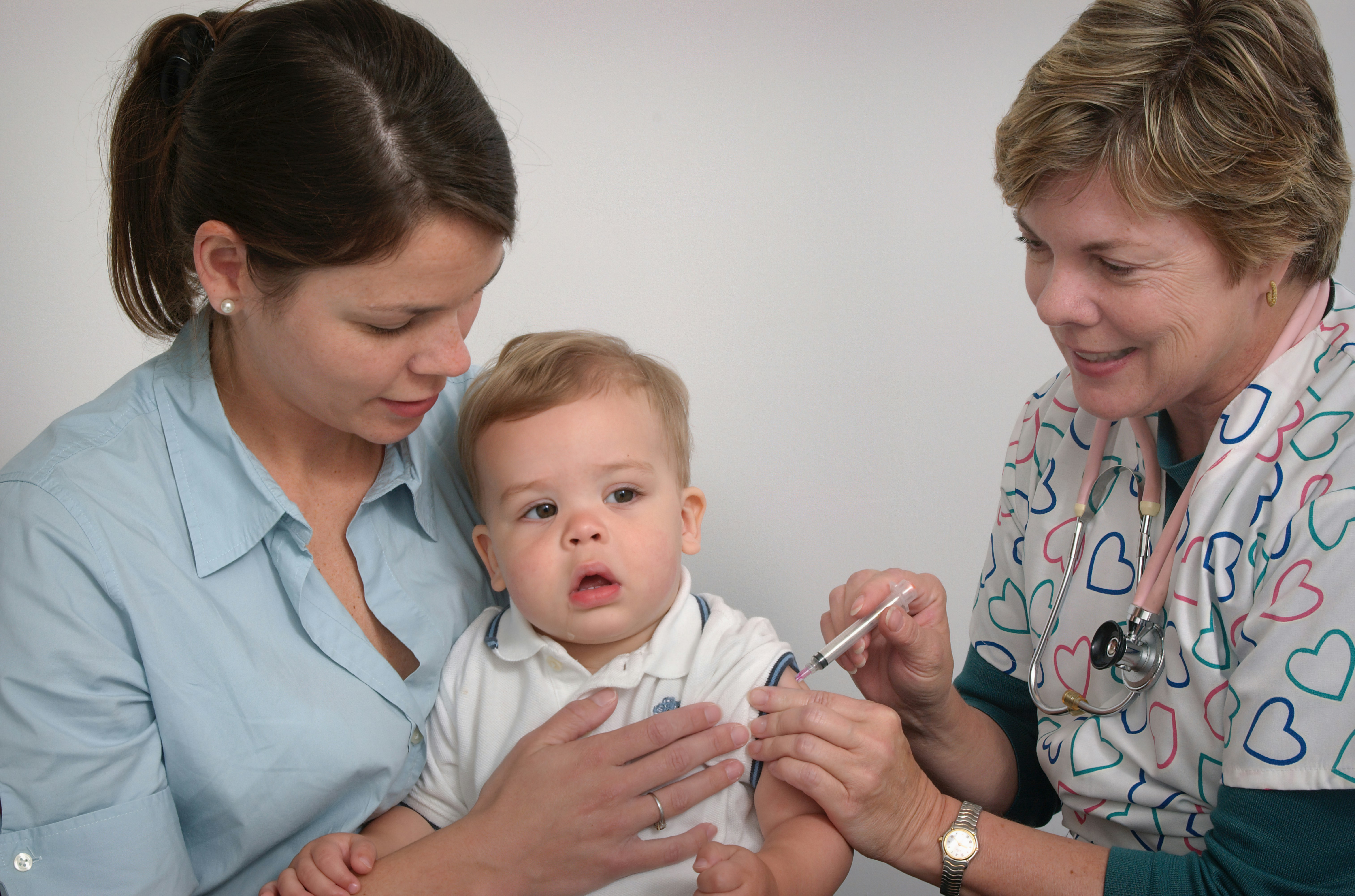
Researchers at The Kids Research Institute Australia have helped map the global impact of life saving vaccines to mark the 50-year anniversary of the Expanded Programme on Immunisation (EPI).

A children’s book – written by community, for community – has been launched in Western Australia’s south-west to help children and families understand more about one of the most common inflammatory skin conditions in children.

Researchers have found a clear link between the acquisition or loss of a family dog and the level of physical activity undertaken by children in the family, with the impact most noticeable in girls.
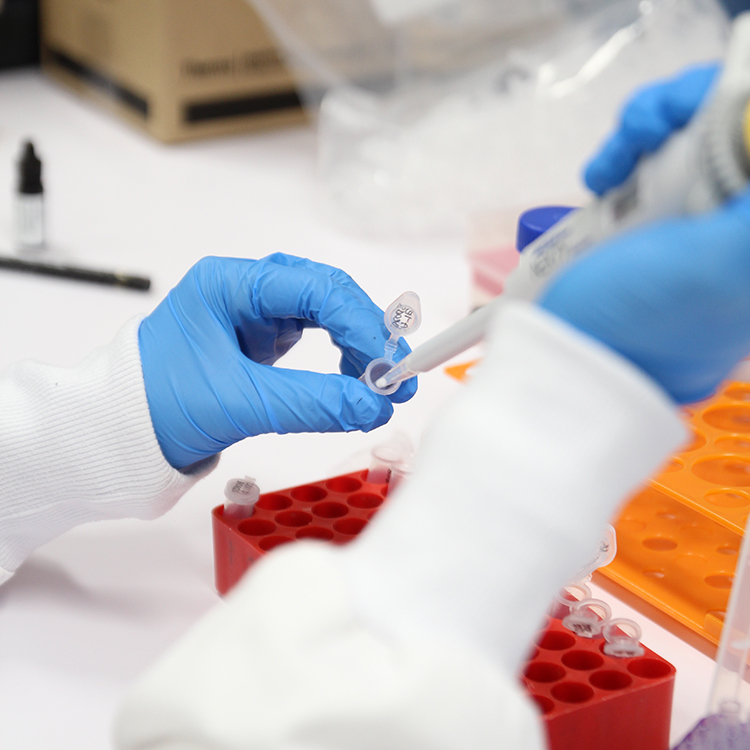
The Kids Research Institute Australia has welcomed the State Government’s additional investment into the Future Health Research and Innovation Fund (FHRI), which supports key medical research, innovation and commercialisation in Western Australia.

Congratulations to two of The Kids Research Institute Australia’s most respected female researchers – Professor Donna Cross and Professor Britta Regli-von Ungern-Sternberg – on being inducted into the Western Australian Women’s Hall of Fame.

The ARC Centre of Excellence will conduct world-leading research to investigate new ways of tackling entrenched social and economic disadvantage.
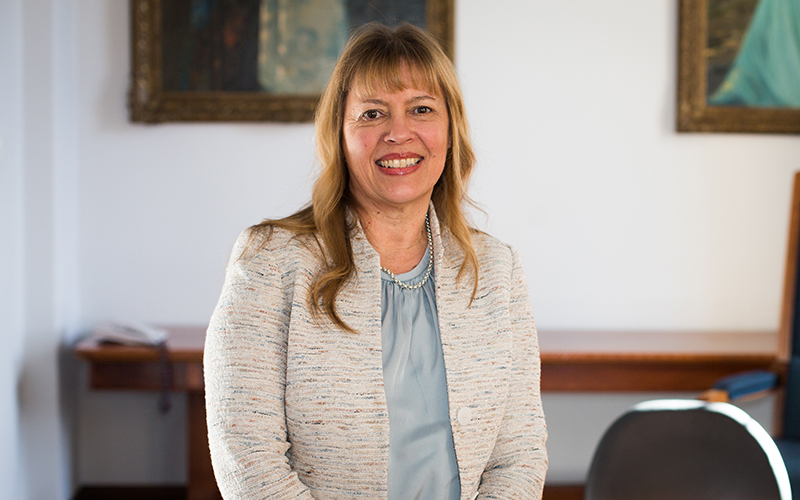
Congratulations to trailblazing mental health researcher Professor Helen Milroy, who has been announced as a finalist for the 2021 Human Rights Medal.
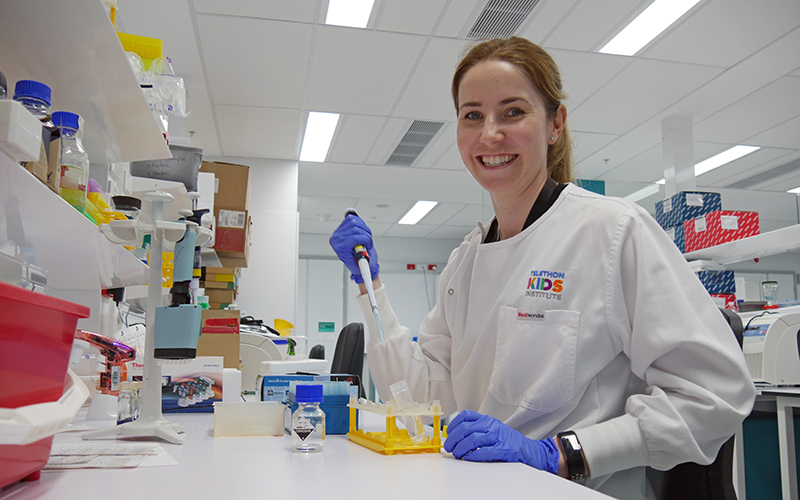
The Kids Research Institute Australia researchers will seek to better understand the relationship between antibodies and inflammation in people with multiple sclerosis (MS), thanks to a generous grant from MS Research Australia.