
Search
Australian Aboriginal and Torres Strait Islander women with diabetes in pregnancy (DIP) are more likely to have glycaemic levels above the target range, and their babies are thus at higher risk of excessive fetal growth. Shoulder dystocia, defined by failure of spontaneous birth of fetal shoulder after birth of the head requiring obstetric maneuvers, is an obstetric emergency that is strongly associated with DIP and fetal size.
Genomic sequencing in congenital heart disease (CHD) patients often discovers novel genetic variants, which are classified as variants of uncertain significance (VUS). Functional analysis of each VUS is required in specialised laboratories, to determine whether the VUS is disease causative or not, leading to lengthy diagnostic delays.
Bronchiectasis is a worldwide chronic lung disorder where exacerbations are common. It affects people of all ages, but especially Indigenous populations in high-income nations. Despite being a major contributor to chronic lung disease, there are no licensed therapies for bronchiectasis and there remain relatively few randomised controlled trials (RCTs) conducted in children and adults.
Colab’s new Bright Tomorrows parent app is helping families across Australia give their young children the best developmental start in life.
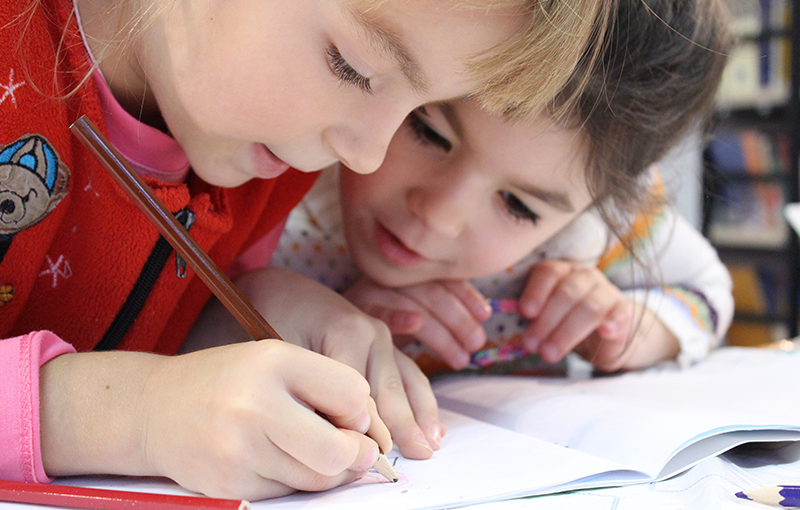
A new study by researchers at The Kids Research Institute Australia has found there is a bigger picture to consider when determining whether a child is ready to start school.

Western Australia and Queensland are leading the nation when it comes to ensuring children have a good start at school, according to a study by researchers at The Kids Research Institute Australia.
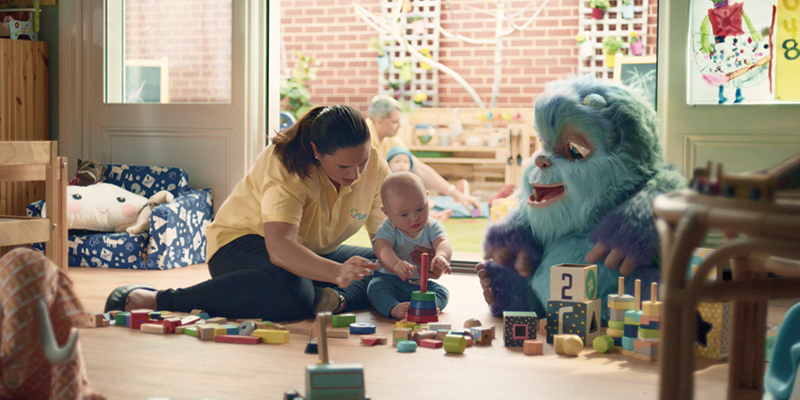
A lovable blue creature by the name of Bobbie has won the hearts and minds of Western Australians.

Paediatrician and researcher Dr Lana Bell shares some important milestones for social development to look out for in the first year of life.
Around seven per cent of children and young people live in poverty, and one third are developmentally vulnerable when they start full-time school.

Daniel Christensen, The Kids Research Institute Australia Life Course Centre research fellow, explained there was rapid change in a child’s brain in the first few years of life, making their home environment and relationship with carers incredibly important.