Search
While advancements in the treatment of diabetes continue to rapidly evolve, many of the newer technologies have financial barriers to care, opposing the egalitarian ethos of Banting who sold his patent on insulin for a nominal cost to allow it to be made widely available. Inequity in access to new therapies drives disparity in diabetes burden with potential for these gaps to widen in the future.
The usual output following health consultations from paediatric services is a clinical letter to the referring professional or primary care provider, with a copy sent to the patient's caregiver. There is little research on how patients and caregivers perceive the letter content.
Tim Jones MBBS DCH FRACP MD Co-head, Diabetes and Obesity Research Co-head, Diabetes and Obesity Research Areas of research expertise: Diabetes
Given limited data regarding the involvement of disadvantaged groups in paediatric diabetes clinical trials, this study aimed to evaluate the socioeconomic representativeness of participants recruited into a multinational clinical trial in relation to regional and national type 1 diabetes reference populations.
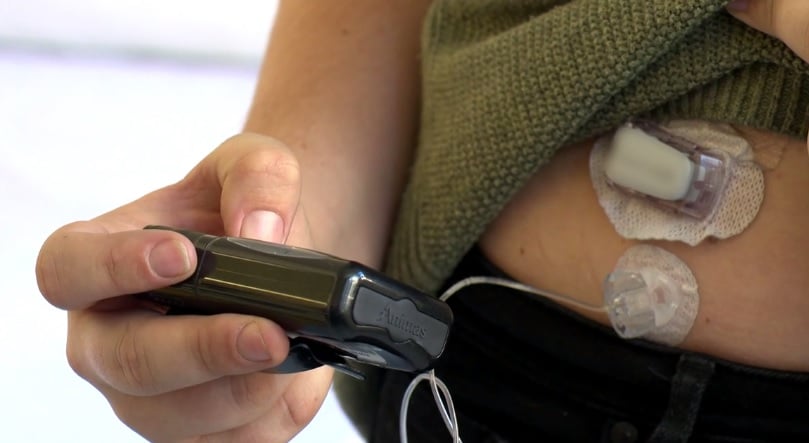
Technology use, including continuous glucose monitoring (CGM) and insulin pump therapy, is associated with improved outcomes in youth with type 1 diabetes (T1D). In 2017 CGM was universally funded for youth with T1D in Australia. In contrast, pump access is primarily accessed through private health insurance, self-funding or philanthropy.
In Australia, access to insulin pump therapy for children with type 1 diabetes is predominantly restricted to families with private health insurance. In an attempt to improve equity, additional subsidised pathways exist which provide pumps to families with reduced financial resources. We aimed to describe the outcomes and experiences of families with children commenced on pumps through these subsidised pathways in Western Australia.
Type 1 diabetes is well-recognised as a continuum heralded by the development of islet autoantibodies, progression to islet autoimmunity causing beta cell destruction, culminating in insulin deficiency and clinical disease. Abnormalities of glucose homeostasis are known to exist well before the onset of typical symptoms.
Congratulations to four outstanding early-career researchers from The Kids Research Institute Australia, who have been awarded BrightSpark Foundation fellowships and project funding for 2026.
We know many families have questions about the risk of COVID-19 to children with type 1 diabetes. To address these questions, Perth Children’s Hospital’s Diabetes Clinic has provided information and resources to help you navigate this tricky period.
The Centre is currently involved in an international effort to develop revolutionary closed- loop 'artificial pancreas' technology. It is also leading a multi-centre Australian trial of these portable devices at home in young people with diabetes.