
Search
This project investigates how cells of the immune system respond to substances to cause allergies to help develop new treatments.
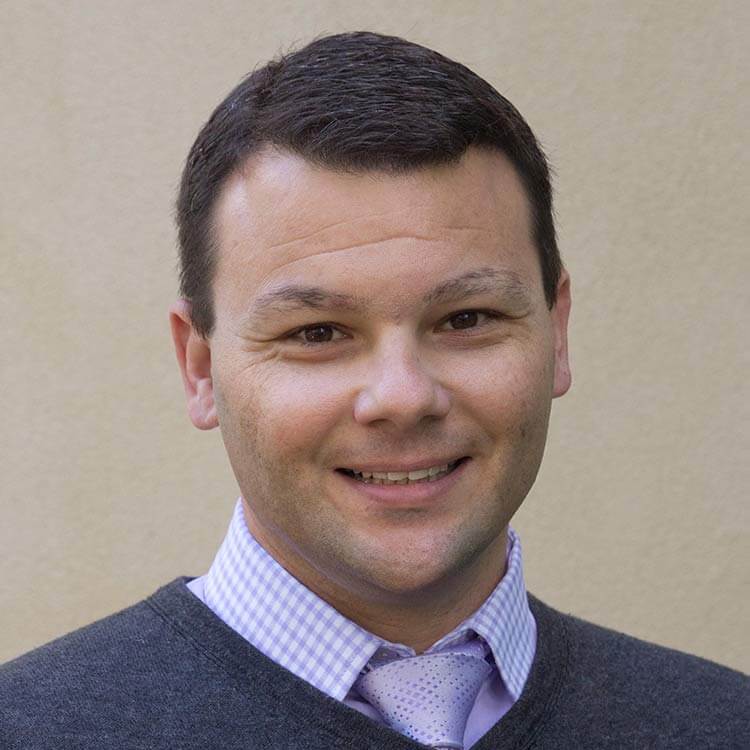
Rothwell Family Fellow; Head, Airway Epithelial Research
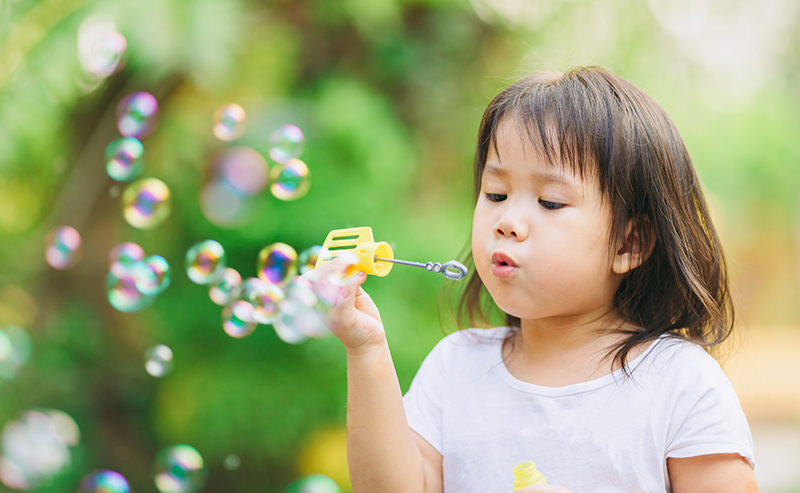
Almost 50 per cent of preschool children will experience at least one episode of wheeze, a whistling sound produced by the airways during breathing.
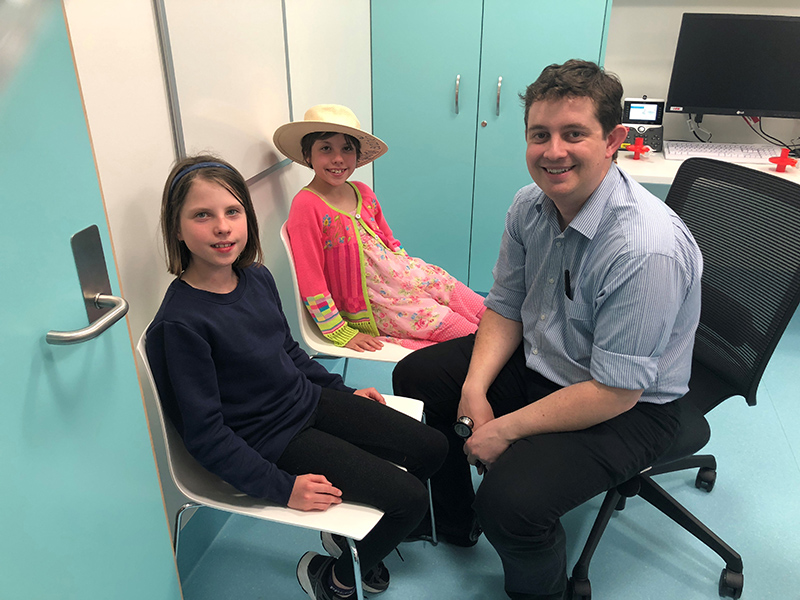
The Kids Research Institute Australia researchers are investigating whether a simple urine test could predict whether young children with wheezing symptoms will go on to develop asthma.
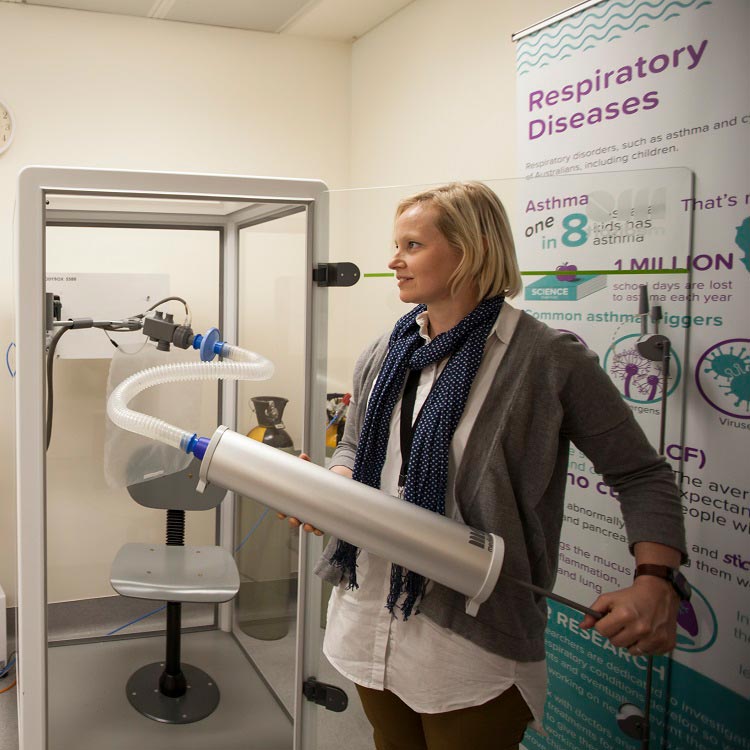
A The Kids Research Institute Australia study published in The Lancet Child & Adolescent Health has found that survivors of very preterm birth face declining lung function

Congratulations to Dr Gail Alvares and Dr Rachel Foong, who have been awarded funding from the Raine Medical Research Foundation.
Eight The Kids Research Institute Australia researchers are among those who have received grant funding from the Telethon-Perth Children’s Hospital Research Fund (TPCHRF).
Asthma affects about half a million Australian children and is one of the most common reasons why kids need to see a doctor or go to emergency.
The Kids Research Institute Australia researchers have been awarded five of eight State Government awards designed to help cover the hidden costs of conducting research.

New research from Perth’s The Kids Research Institute Australia shows that babies born premature continue to have lung problems well into childhood.