
Search
Serum 25 hydroxyvitamin D [25(OH)D] levels of pregnant women have been linked to various health outcomes in their offspring. Satellite-derived ultraviolet radiation (UVR) data have been used as a proxy for 25(OH)D levels, as individual-level cohort studies are time-consuming, costly and only feasible for common outcomes.
Besides the challenges associated with their teenage years, adolescents with Type 1 Diabetes (T1D) encounter additional challenges of having a chronic condition.
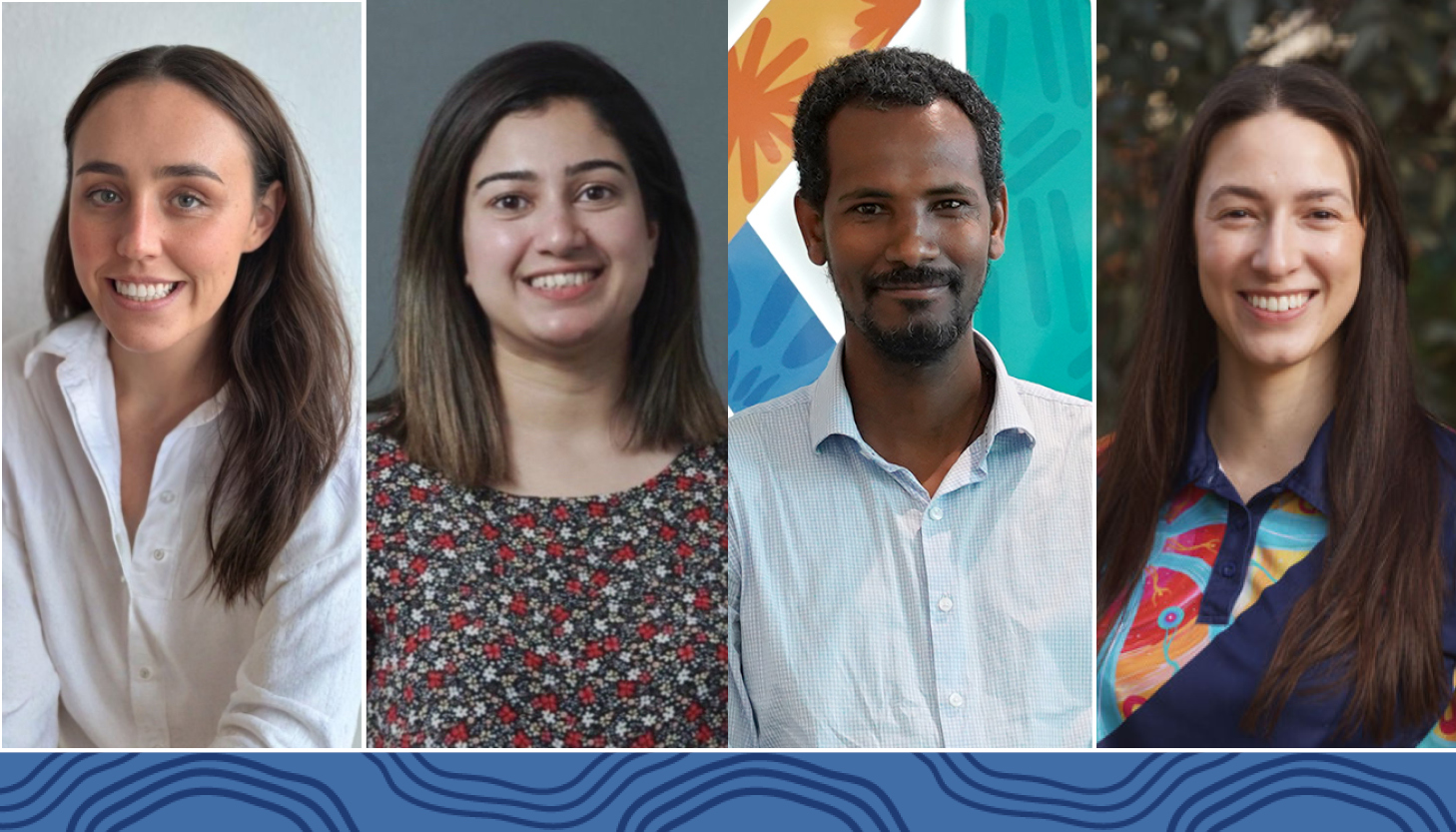
Congratulations to four outstanding early-career researchers from The Kids Research Institute Australia, who have been awarded BrightSpark Foundation fellowships and project funding for 2026.

The Centre is currently involved in an international effort to develop revolutionary closed- loop 'artificial pancreas' technology. It is also leading a multi-centre Australian trial of these portable devices at home in young people with diabetes.

Our co-director Professor Liz Davis spoke to JDRF Australia to answer COVID-19 and type 1 diabetes questions.

We know many families have questions about the risk of COVID-19 to children with type 1 diabetes. To address these questions, Perth Children’s Hospital’s Diabetes Clinic has provided information and resources to help you navigate this tricky period.
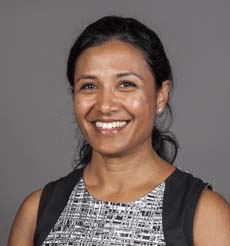
Congratulations to Children’s Diabetes Centre’s Dr Aveni Haynes on being awarded a JDRF Postdoctoral Fellowship to inform type 1 diabetes prevention strategies by investigating early blood glucose abnormalities in at-risk children.
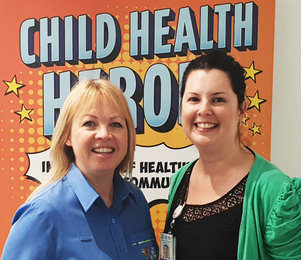
A Clinical Nurse Specialist position within Perth Children’s Hospital’s Diabetes Service has been funded as part of the Federal Government’s new Type 1 Diabetes Management in School program.
Children as young as six years old are being diagnosed with type 2 diabetes, according to Perth endocrinologists who are calling for early screening of at-risk groups.
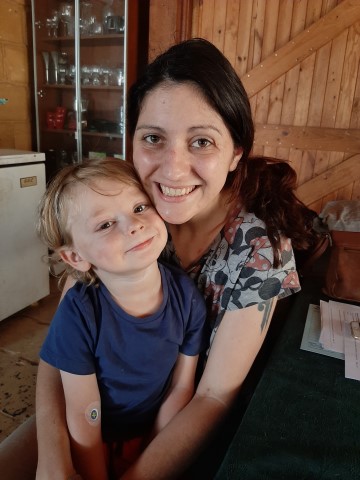
Australia’s biggest study into the causes of type 1 diabetes recently recruited its 1500th and final participant right here in WA.