
Search

A dose of the whooping cough vaccine might reduce cases of childhood food allergies according to latest research by the Wesfarmers Centre of Vaccines and Infectious Diseases based at The Kids Research Institute Australia.
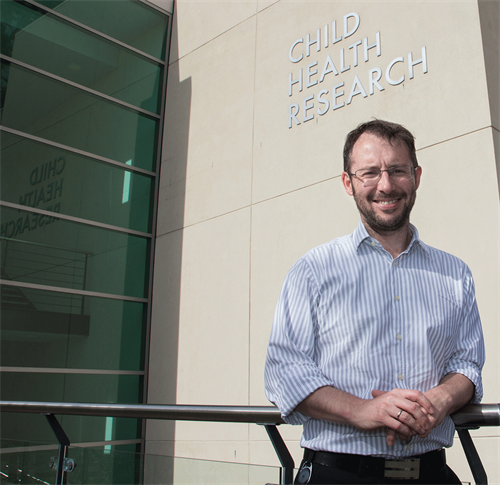
Researchers from The Kids Research Institute Australia and Curtin University will use a $3.9 million grant from the National Health and Medical Research Council to investigate whether a type of whooping cough vaccine could provide bonus protection against food allergies and eczema.
Vaccination in pregnancy is the best strategy to reduce complications from influenza or pertussis infection in infants who are too young to be protected directly from vaccination. Pregnant women are also at risk of influenza complications preventable through antenatal vaccination. Both vaccines are funded under the National Immunisation Program for pregnant women in Australia, but coverage is not routinely reported nationally.
To evaluate the effectiveness of maternal pertussis vaccination for preventing pertussis infections in Aboriginal and Torres Strait Islander infants under seven months of age.

Researchers from the Wesfarmers Centre of Vaccines and Infectious Diseases at The Kids Research Institute Australia have shared their expertise with the community in Cockburn, covering topics ranging from respiratory disease in babies to recurring ear infections in kids.
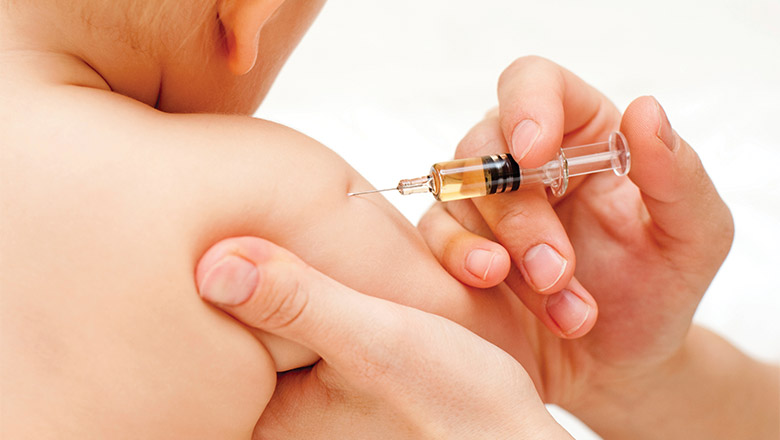
Toddlers will now get an additional whooping cough vaccine to protect them against the potentially deadly disease.

An extra whooping cough vaccination for babies comes as a result of work by researchers at the Wesfarmers Centre of Vaccines and Infectious Diseases.
Governments should rethink strategies to prevent whooping cough in newborn infants, including booster vaccination of close contacts of the baby.
Vaccination is the injection of an inactivated bacteria or virus into the body. This simulated infection allows an individual's immune system to develop an adaptive immunity for protection against that type of illness. When a sufficiently large percentage of a population has been vaccinated, this results in herd immunity.
We compared the effect of a heterologous wP/aP/aP primary series (hereafter mixed wP/aP) versus a homologous aP/aP/aP primary schedule (hereafter aP-only) on antibody responses to co-administered vaccine antigens in infants and toddlers.