
Search
Socio-economic inequality and vaccination inequity have long been critical issues. However, no studies have explored the gap in influenza vaccination uptake between public and private schools. Importantly, the extent to which socio-economic inequality translates into vaccination uptake inequity has not been quantified.

Secondary students have the opportunity to hear from Associate Professor Asha Bowen, a 2018 L’Oreal-UNESCO Women in Science Fellow, in a free online event this National Science Week.
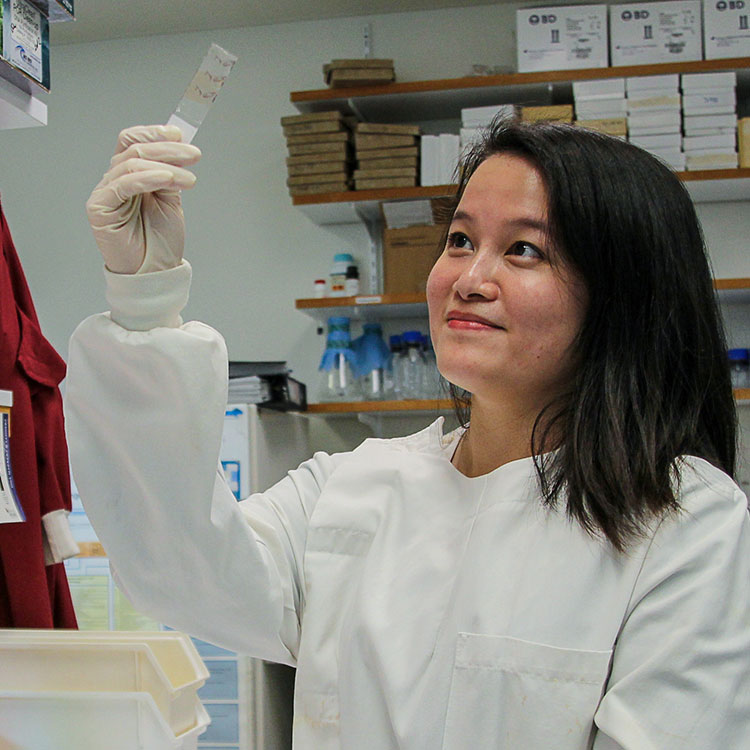
The Kids Research Institute Australia researchers have been awarded five of eight State Government awards designed to help cover the hidden costs of conducting research.
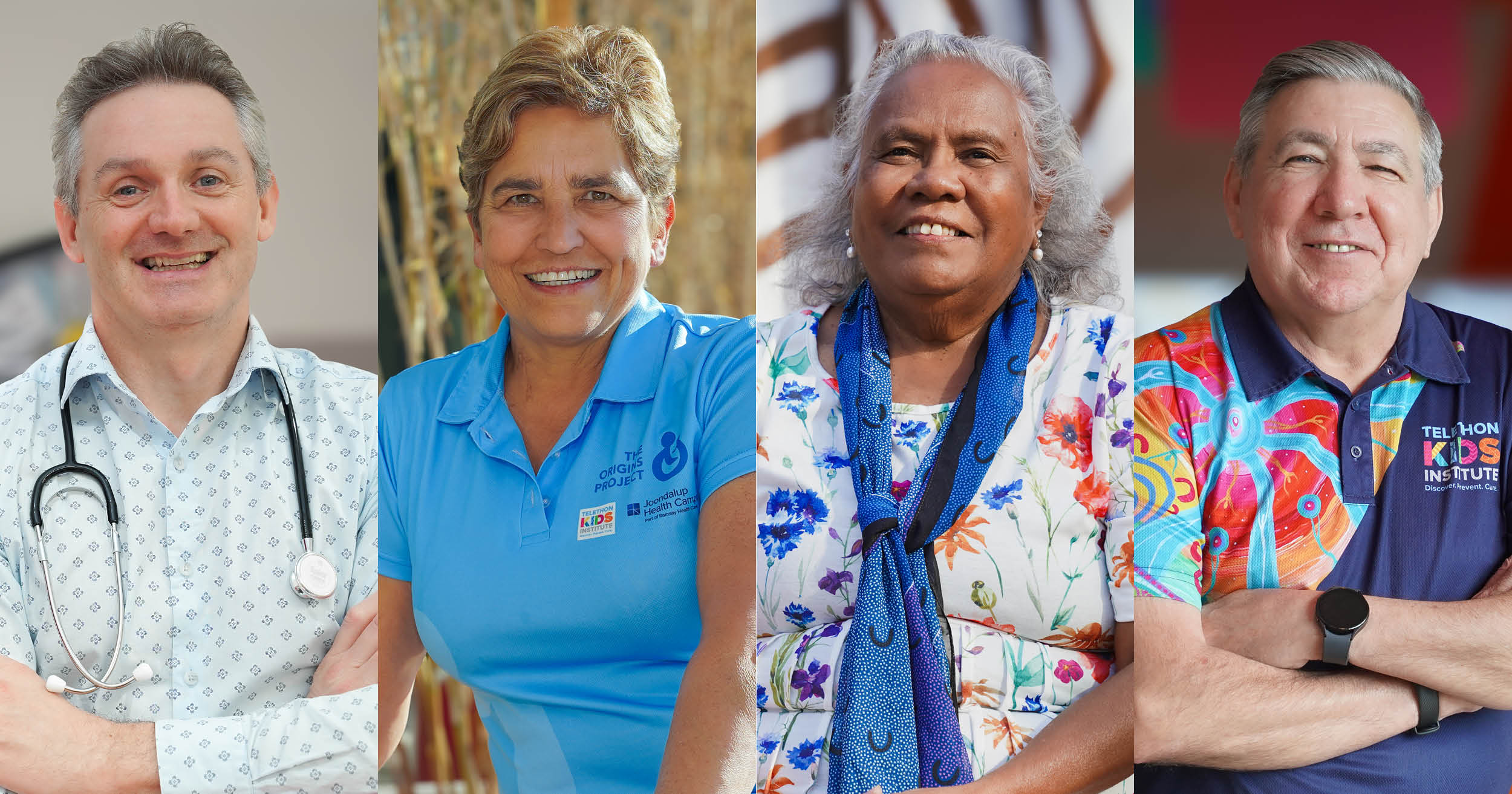
Four outstanding members of The Kids Research Institute Australia family have been named as finalists in the 2024 Western Australian of the Year Awards.
The Kids Research Institute Australia researchers have been awarded more than $8 million in prestigious project grants from the NHMRC.
New funding from the Stan Perron Charitable Foundation will support innovative research projects and programs at The Kids Research Institute Australia with the aim of improving the health and wellbeing of WA children and their families.
Two RSV immunisations products: a maternal vaccine, Abrysvo, and a long-acting monoclonal antibody, nirsevimab, both designed to prevent RSV illness in infants, have recently become available. Modelling evidence is required to inform how to optimally use these products in immunisation programs to reduce the burden of RSV in young children.
Pneumonia is the leading cause of death in young children globally and is prevalent in the Papua New Guinea highlands. We investigated clinical predictors of hypoxic pneumonia to inform local treatment guidelines in this resource-limited setting.
HIV postexposure prophylaxis (PEP) following child sexual assault (CSA) is recommended in select cases. High rates of poor adherence to PEP are reported. We evaluated adherence to the recommended management of children following CSA at the tertiary pediatric facility in Western Australia and compared our approach with international guidelines.

Nine researchers from The Kids Research Institute Australia have secured vital support through the WA Near Miss Awards, allowing them to continue innovative health projects that narrowly missed out on national funding.