
Search
We do not know much about what support services people think are okay for young autistic children. This study was a survey of 253 people. We asked autistic adults, parents, and professionals from Australia and New Zealand whether they thought it was okay to provide support services to autistic children.

Deputy Director Andrew Whitehouse and Head of Autism / Senior Principal Research Fellow, David Trembath explore how the evolving definition of autism may affect the identification and support of autistic people, particularly those with the highest support needs. Published by The Conversation on the 14th May 2026.
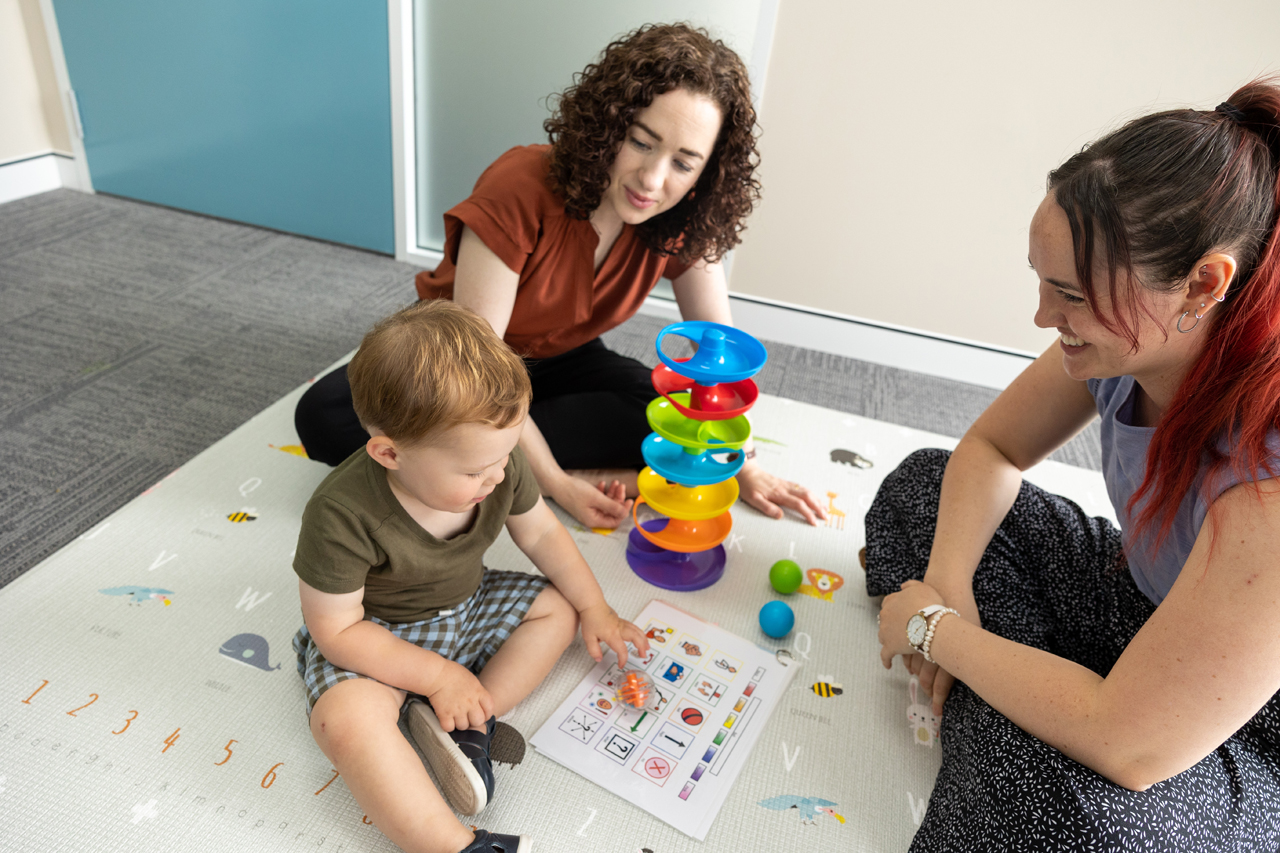
This series aims to provide some practical and evidence-based ideas to support your child and family.
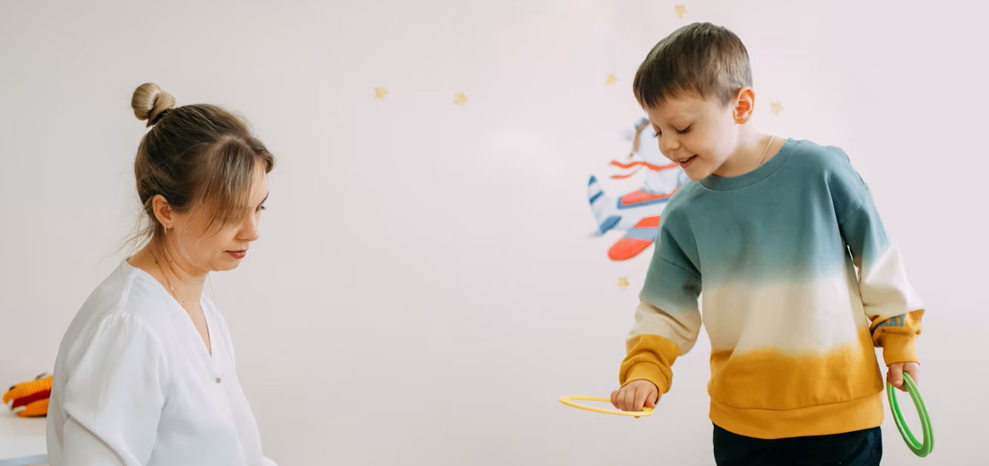
In this article, Deputy Director of the Kids Research Institute Australia, Andrew Whitehouse explores why diagnosis rates have risen and what proposed NDIS reforms could mean for autistic children, families and future access to supports. Published by The Conversation on the 15th April 2026
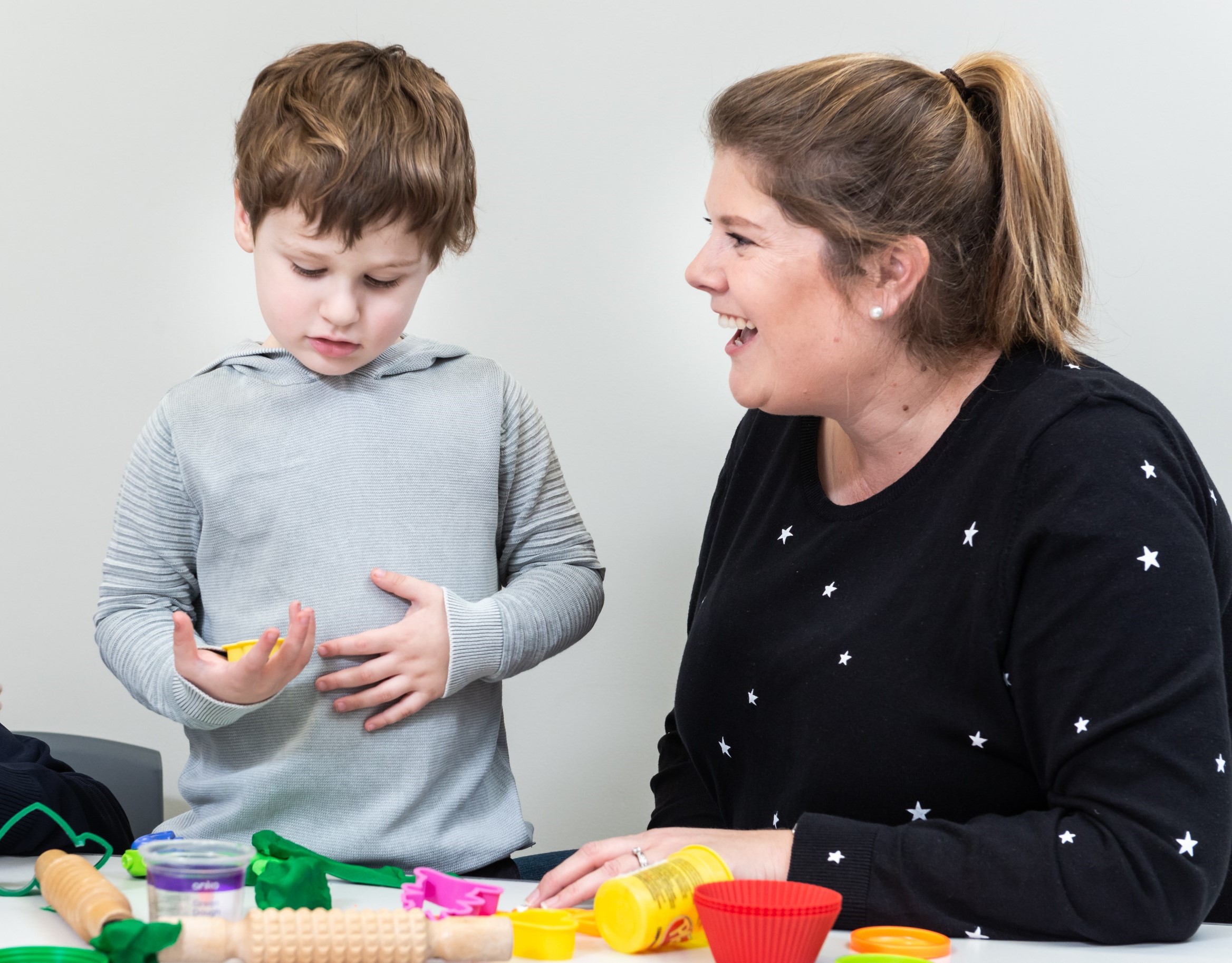
In this new blog, Senior Speech Pathologist and PACT therapist/trainer Sally Grauaug discusses the benefits of PACT, how it works and how clinicians become certified PACT therapists.
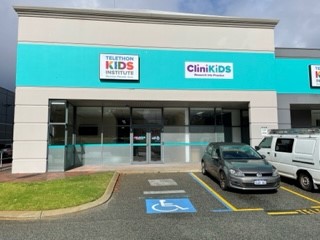
We are excited to announce that our new Joondalup clinic will be open at the start of Term 4!
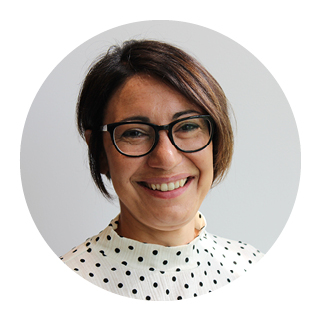
Senior Speech Pathologist
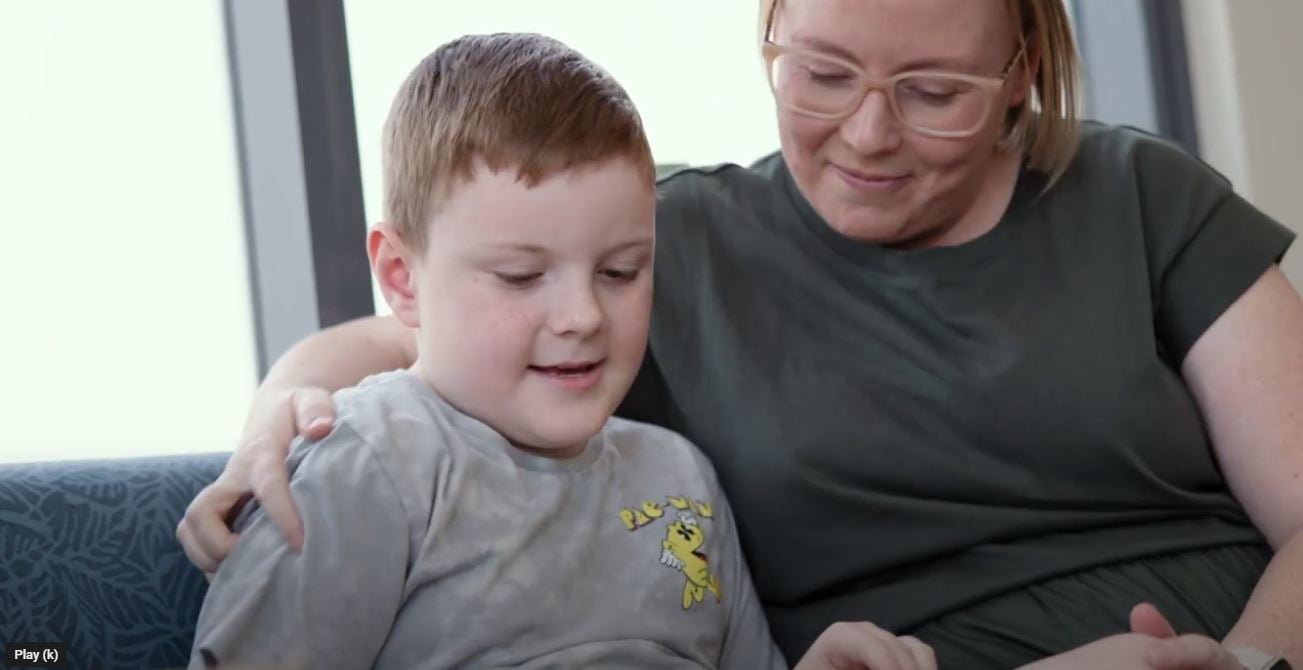
PACT is a program for caregivers of children who would like some additional support to understand their child’s communication.
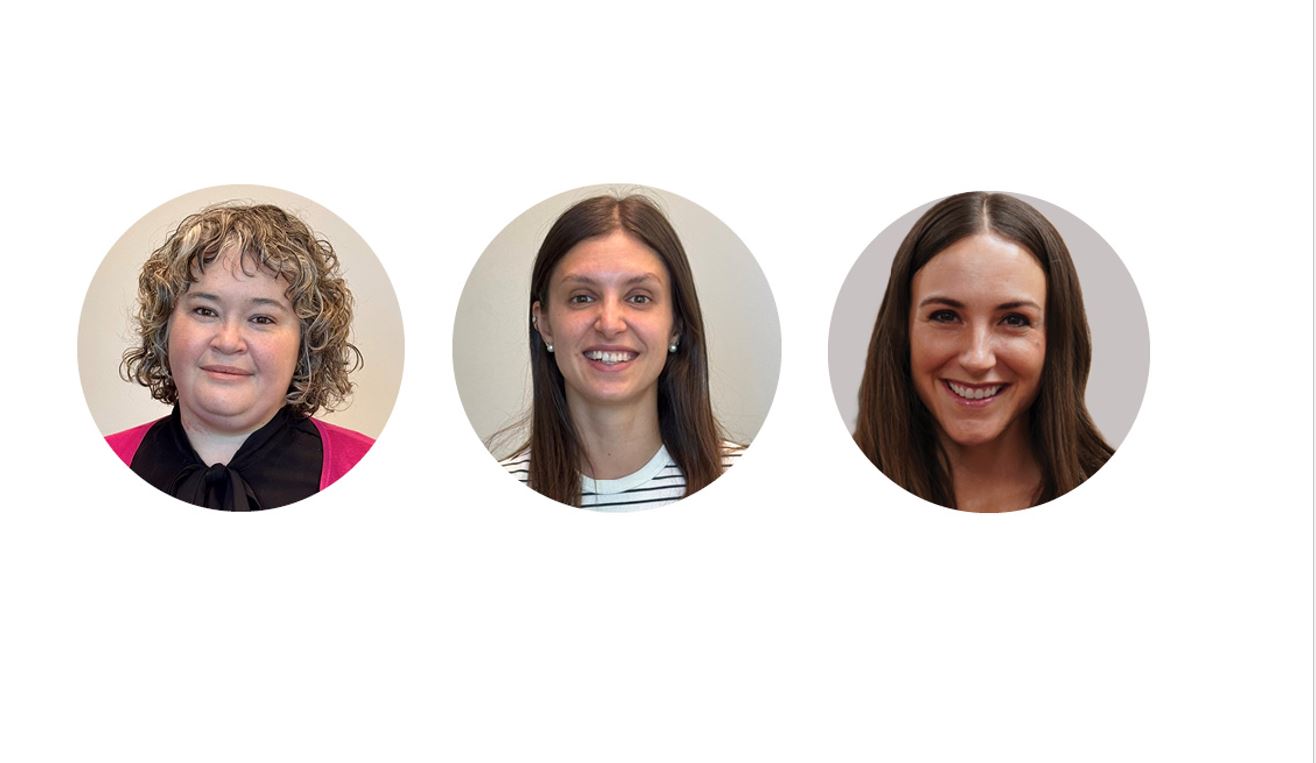
There’s a few new faces at in our clinical team.
Telehealth service delivery is used extensively in allied health to provide services to individuals who are not able to attend therapy sessions face to face.