
Search

Two researchers from The Kids Research Institute Australia’s Wal-yan Respiratory Research Centre have secured lucrative fellowships to advance cutting-edge phage therapy research for people living with cystic fibrosis (CF).
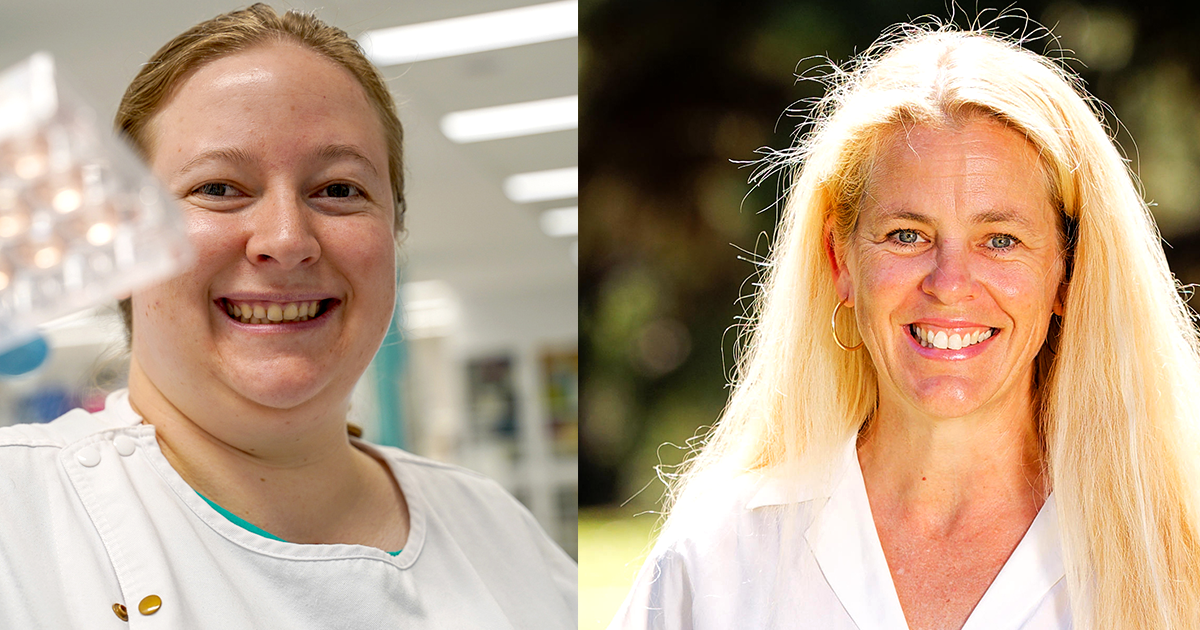
Two leading researchers from The Kids received significant endorsements to advance their research at last night’s Thoracic Society of Australia and New Zealand and the Australian and New Zealand Society of Respiratory Science (TSANZSRS) Annual Scientific Meeting in Adelaide.
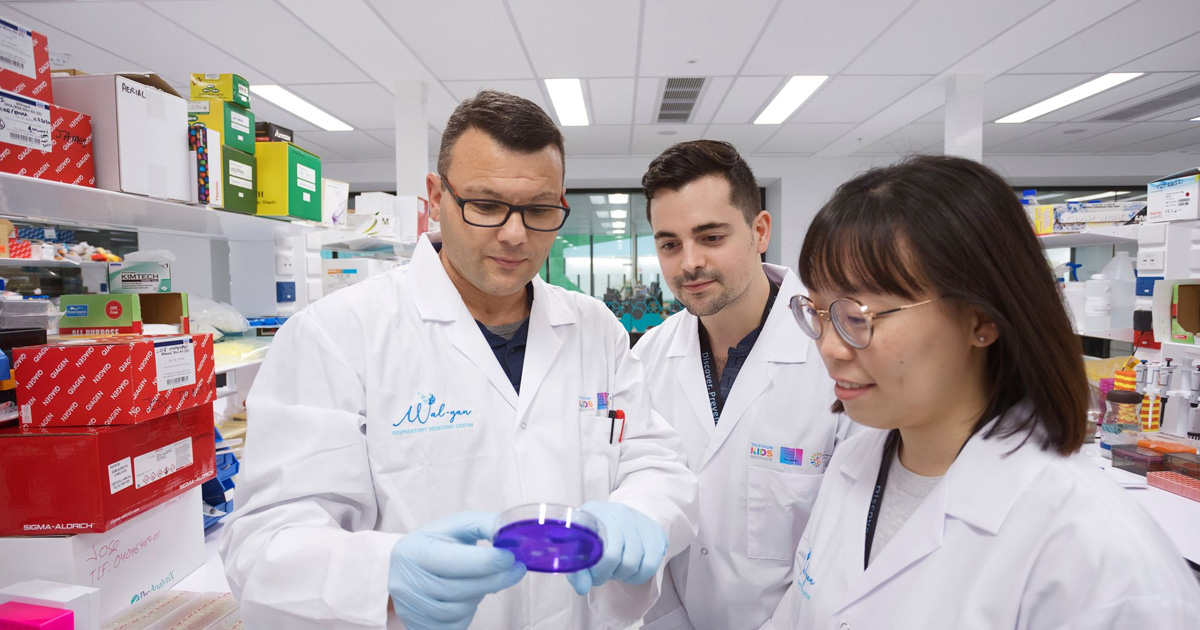
A $350,000 Cure4 Cystic Fibrosis grant is set to propel the Wal-yan Respiratory Research Centre’s Phage WA program forward, supercharging its fight against antimicrobial resistant (AMR) lung infections in people with Cystic Fibrosis (CF) using cutting-edge phage therapy.
Today, 24 January 2025, is International Day of Education, a global celebration of the power of learning to transform lives. This year’s theme, “AI and Education: Preserving Human Agency in an Automated World”, underscores the critical role of education in preparing kids for a future increasingly shaped by AI.

Five researchers from The Kids Research Institute Australia have been awarded three-year fellowships with the aim of keeping more WA-based PhD graduates involved in child health research.

Congratulations to respiratory health researcher and clinician Dr Pam Laird, who was last night named joint winner of Early Career Scientist of the Year at the 2024 Premier’s Science Awards.
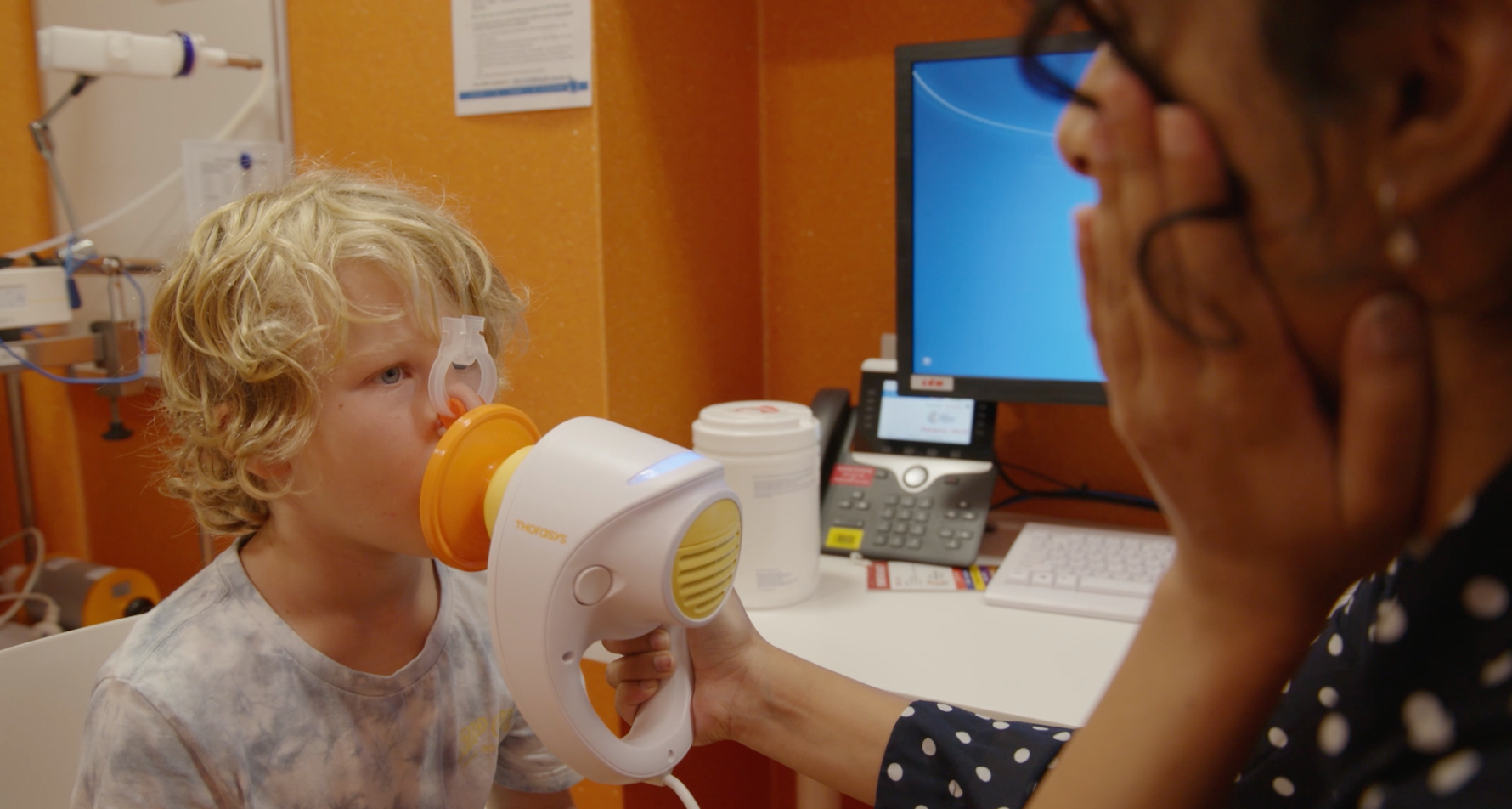
A promising new treatment pioneered in Western Australia for people with cystic fibrosis has commenced testing in a clinical trial in the United States and Australia.
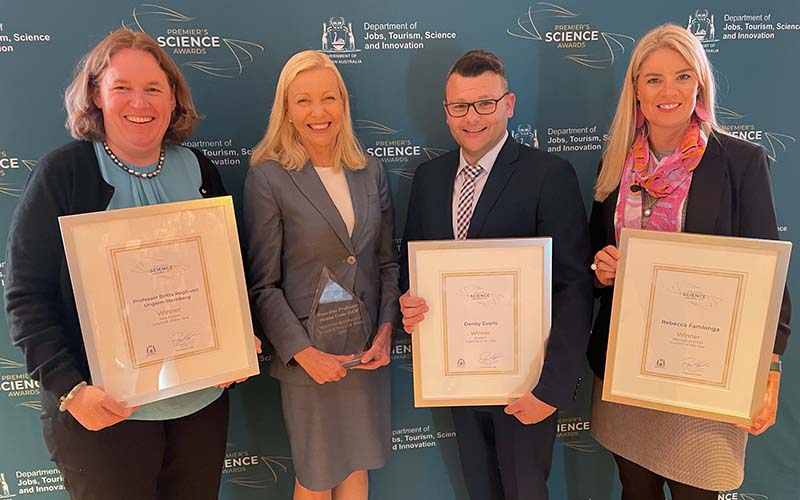
Three outstanding researchers have won 2023 Premier’s Science Awards, with another inducted into the prestigious WA Science Hall of Fame.
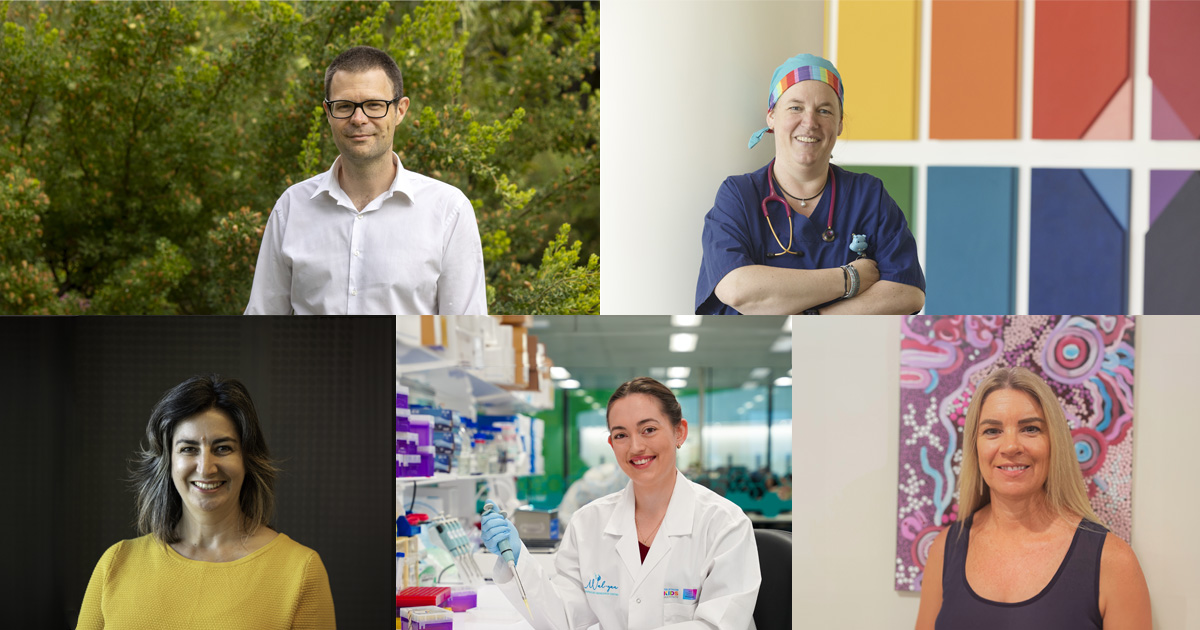
Five The Kids Research Institute Australia researchers working across diverse and highly impactful areas of child health research have been named as finalists for the 2023 Premier’s Science Awards.
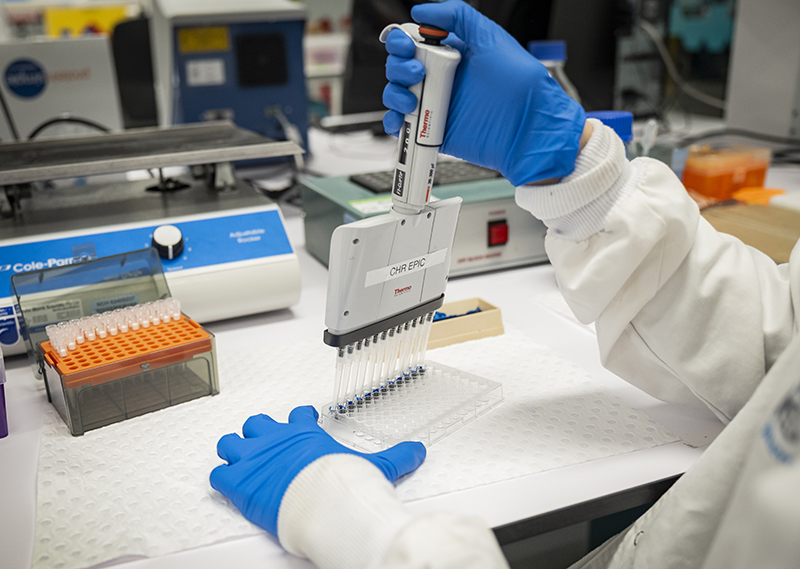
Researchers from The Kids Research Institute Australia have been awarded more than $11 million to support vital child health projects, under the Federal Government’s Medical Research Future Fund.