
Search
The Wal-yan Respiratory Research Centre conducts research into a wide range of childhood respiratory disease areas.
On average, a person can expect to take more than 700 million breaths in their lifetime.
Learn more about the Focus areas for the Wal-yan Respiratory Centre
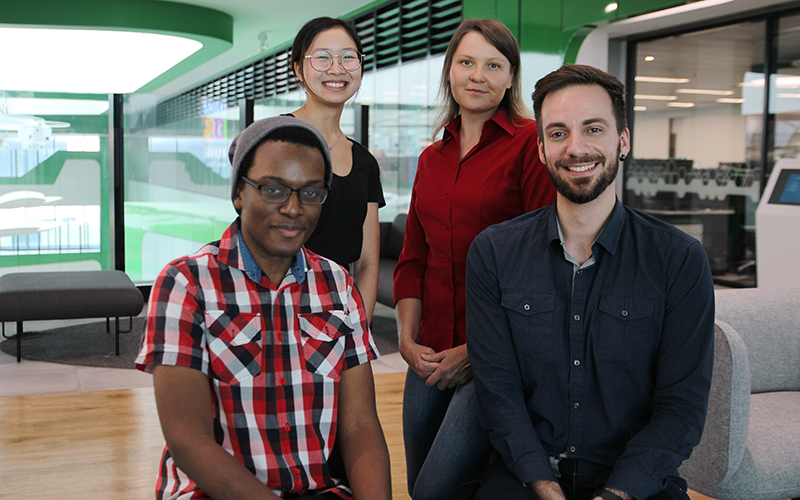
The Artificial Intelligence team at the Wal-yan Respiratory Research Centre is dedicated to delivering AI solutions for major challenges in respiratory healthcare and research.
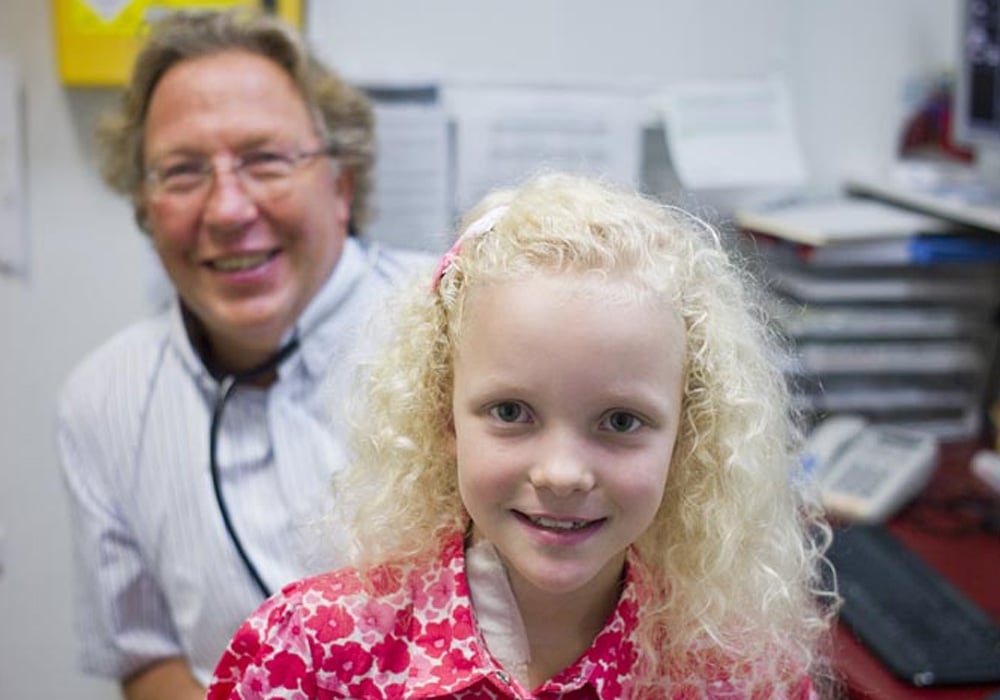
Cystic fibrosis (CF) is the most common life‐shortening genetic disease affecting children.
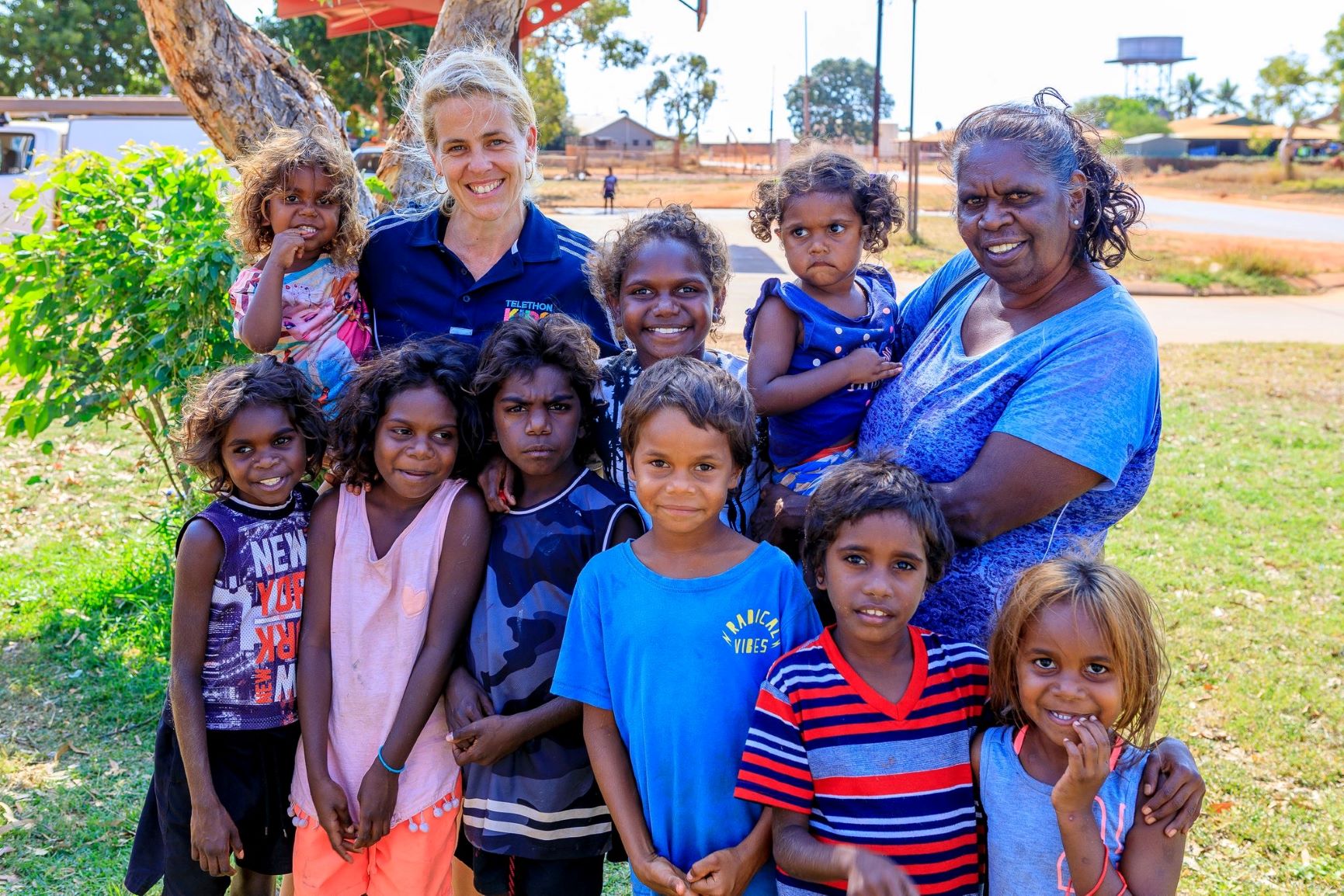
Respiratory illness accounts for 12% of the age-standardised gap in mortality between Indigenous and non-Indigenous Australians.
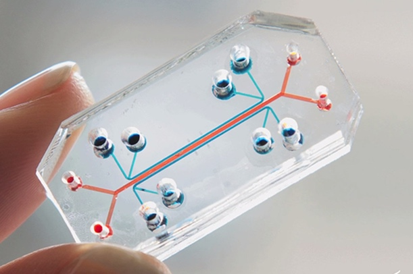
Respiratory disease is a global issue and international networks are critical to informing best-practice approaches to the clinical care and management of childhood respiratory health.
The Wal-yan Respiratory Research Centre is made up of multi-disciplinary teams that are committed to improving the lives of children and their families living with respiratory disease.
Learn more about all of the Clinical Trials, Platforms & Cohorts at the Wal-yan respiratory centre.
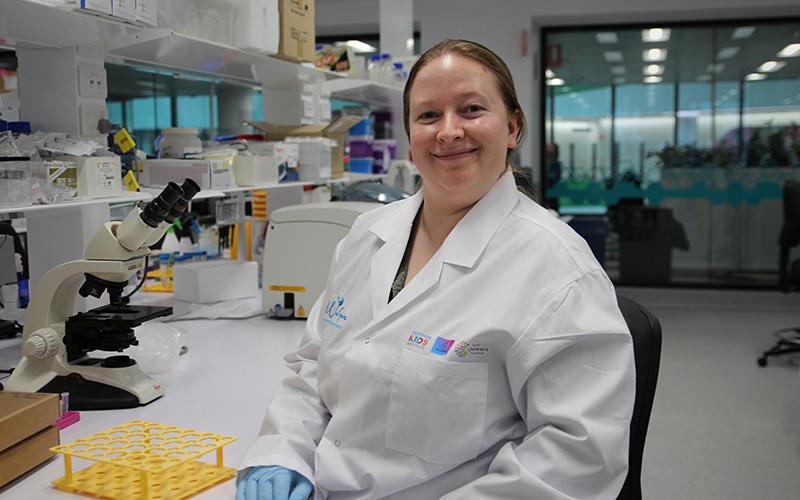
Wal-yan Respiratory Research Centre PhD candidate Katherine Landwehr is researching the impact of breathing in biodiesel exhaust fumes on the lungs.