
Search
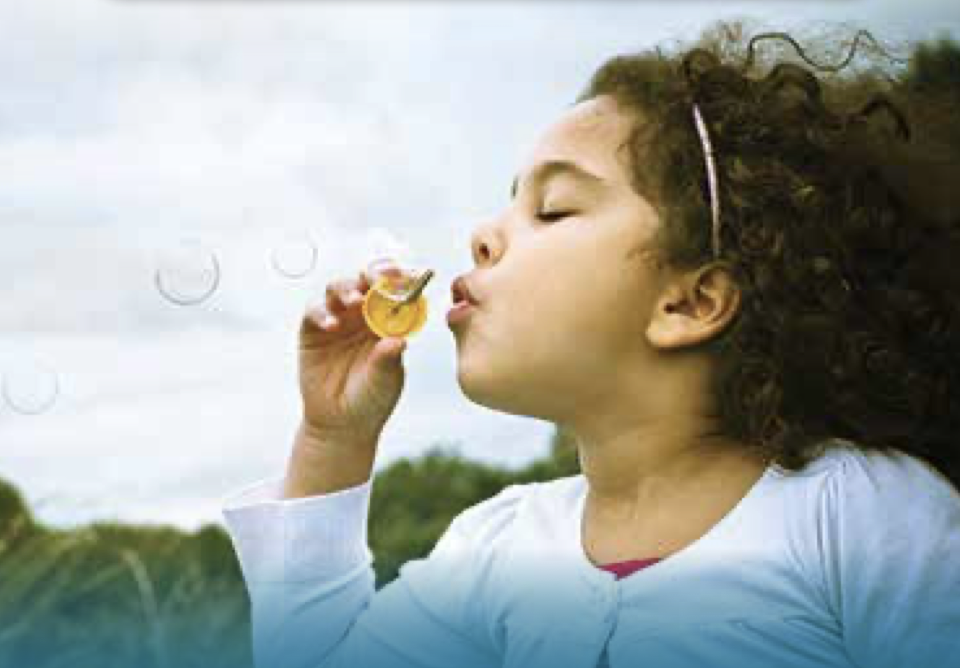
Bronchiectasis is a condition where the lungs become damaged and prone to infections.
The Western Australian Epithelial Research Program (WAERP) is a community cohort biobank that collects and stores airway cells from the upper (nose) and lower (trachea) airways of Western Australian children and adults (1-50 years of age) undergoing non respiratory elective surgery.
The Western Australian Epithelial Research Program (WAERP) biobank is undertaking a number of research projects intended to improve the understanding and preclinical assessment of therapeutics for respiratory conditions.
The Australian Epithelial Research Program (WAERP) comprises of several parties, including our Chief Investigators, Compliance, Scientific and Clinical Teams, and our Student group.
The Scientific Advisory Committee's (SAC) role is to provide scientific direction and to ensure the objectives of WAERP are reflected in the research performed; SAC forms part of our governance structure.
Want to know how to be involved with WAERP? Or how long the project is running for? View our Frequently Asked Questions (FAQs) for answers to these questions and more.
There is no clear clinical guidance on the use of alcohol pharmacotherapies in pregnancy due to insufficient safety information. Contraception should therefore be considered for reproductive-aged females receiving alcohol pharmacotherapies not wishing to become pregnant. This study evaluated the concurrent use of alcohol pharmacotherapies with prescription contraception and other medications in Australian females of reproductive age compared to those not receiving an alcohol pharmacotherapy.
Consumption of nitrate in drinking water has previously been associated with a range of adverse health effects, including methemoglobinemia and potentially cancer. In animal models, it has been shown to impact respiratory structure and function, however, there is a paucity of data of the effects of in utero exposure on the respiratory health of offspring.
Rachel Foong BSc (hons), PhD, MBiostat Honorary Research Associate 08 6319 1626 Rachel.Foong@thekids.org.au Senior Research Fellow Dr Foong is an