
Search

Congratulations to three outstanding The Kids Research Institute Australia researchers who have received second chance WA health funding designed to support researchers who have narrowly missed out on highly competitive national funding.
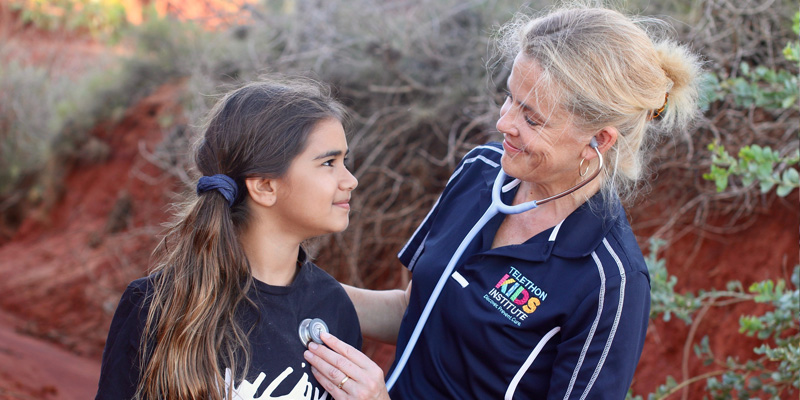
Almost one in five children across four remote Kimberley communities has some form of chronic lung disease, according to a new study co-designed and conducted in partnership with Aboriginal communities.
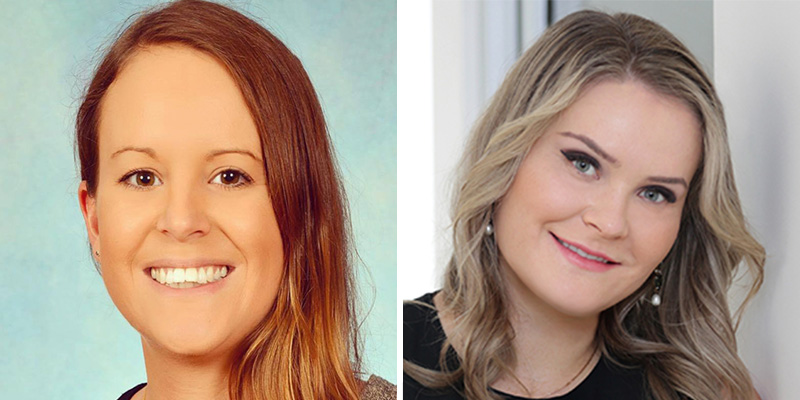
Two researchers focused on improving outcomes for children with chronic lung disease and averting suicide contagion and suicide clusters in young people have won prestigious Investigator Grants from the National Health and Medical Research Council.
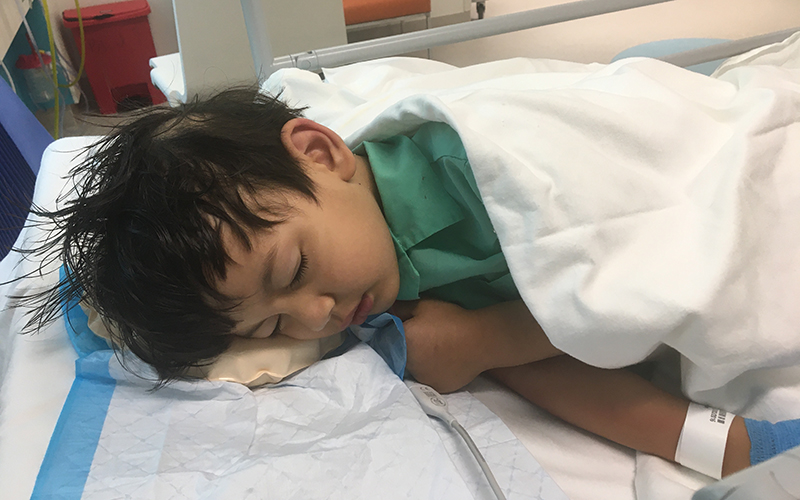
Charlie, 6, has ended up in hospital twice with invasive Strep A infection over his short lifetime – the first time when just three years old.

The urgency for a world-first respiratory syncytial virus vaccine is at an all-time high.
Seasonal influenza vaccine is effective against influenza hospitalisations, but little is known about non-specific effects of the vaccine on other respiratory pathogens with similar seasonal patterns. We aimed to assess the causal impact of seasonal influenza vaccine on laboratory-confirmed hospitalisations for respiratory syncytial virus (RSV) in children using an instrumental variable strategy.
To assess parental awareness of respiratory syncytial virus (RSV) and the level of acceptance of future RSV prevention strategies. A cross-sectional online survey was implemented targeting "future" and "current" parents of children aged ≤5 years in Australia.
Pulmonary bacterial infections present a significant health risk to those with chronic respiratory diseases including cystic fibrosis and chronic-obstructive pulmonary disease. With the emergence of antimicrobial resistance, novel therapeutics are desperately needed to combat the emergence of resistant superbugs.
Respiratory syncytial virus (RSV) remains a leading cause of mortality and morbidity worldwide. RSV seasonality was disrupted by COVID-19-associated nonpharmaceutical interventions (NPIs). We review RSV seasonality, molecular epidemiology, clinical manifestations, and community awareness to inform future prevention strategies.
The association between early-life respiratory syncytial virus infections and later respiratory morbidity is well established. However, there is limited evidence on factors that influence this risk. We examined sociodemographic and perinatal factors associated with later childhood respiratory morbidity requiring secondary care following exposure to a laboratory-confirmed RSV episode in the first 2 years.