
Search
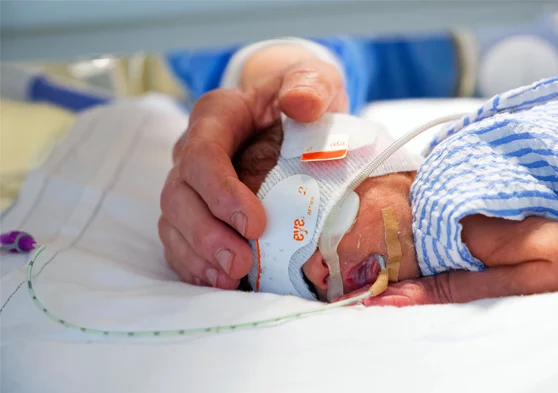
The CIRCA DIEM biobank is a unique collection of biological samples - such as blood, stool and saliva - collected from babies enrolled in the trial.
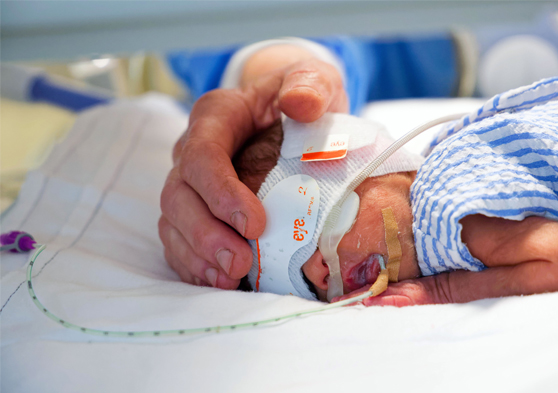
The CIRCA DIEM Study is a clinical research study being coordinated by the Chronobiology Team at Telethon Kids Institute, who are based in Perth, Western Australia and involving research teams from around the world.
Investigators: Andrew Gill External collaborators: Assoc Prof David Tingay (Murdoch Children's Research Institute) The POLAR trial is an MRFF-funded
Inflammation and oxidative stress play a key role in the development of bronchopulmonary dysplasia (BPD), possibly contributing to persistent respiratory morbidity after preterm birth. We aimed to assess if inflammatory markers were elevated in exhaled breath condensate (EBC) of infants born very prematurely (< 32 weeks gestation) at 12-16 corrected months of age, and if increased levels were associated with BPD diagnosis and respiratory morbidity.
Preterm infants have immature control of breathing and impaired pulmonary gas exchange. We hypothesized that infants with bronchopulmonary dysplasia (BPD) have a blunted ventilatory response and peripheral oxygen saturation (SpO2 ) instability during a hypoxic challenge.
The extent of lung hypoplasia impacts the survival and severity of morbidities associated with congenital diaphragmatic hernia.
Preterm infants are often vitamin A deficient, and vitamin A has functions that could mitigate the processes that lead to bronchopulmonary dysplasia. Therefore, supplementation of preterm infants with vitamin A to reduce the risk of bronchopulmonary dysplasia makes inherent sense.
Data on static compliance of the chest wall (Ccw) in preterm infants are scarce. We characterized the static compliance of the lung and Ccw to determine their relative contribution to static compliance of the respiratory system in very preterm infants at 36 wk postmenstrual age. We also aimed to investigate how these compliances were influenced by the presence of bronchopulmonary dysplasia and impacted breathing variables.
Lung inflammation and impaired alveolarization precede bronchopulmonary dysplasia (BPD). Glucocorticoids are anti-inflammatory and reduce ventilator requirements in preterm infants. However, high-dose glucocorticoids inhibit alveolarization. The effect of glucocorticoids on lung function and structure in preterm newborns exposed to antenatal inflammation is unknown. We hypothesise that postnatal low-dose dexamethasone reduces ventilator requirements, prevents inflammation and BPD-like lung pathology, following antenatal inflammation.
Perinatal inflammation increases the risk for bronchopulmonary dysplasia in preterm neonates, but the underlying pathophysiological mechanisms remain largely unknown. Given their anti-inflammatory and regenerative capacity, multipotent adult progenitor cells (MAPC) are a promising cell-based therapy to prevent and/or treat the negative pulmonary consequences of perinatal inflammation in the preterm neonate.