
Search
The rarity of the mesenchymal stem cell (MSC) population poses a significant challenge for MSC research. Therefore, these cells are often expanded in vitro, prior to use. However, long-term culture has been shown to alter primary MSC properties.
Platelets are anucleate blood cells that contain mitochondria and regulate blood clotting in response to injury. Mitochondria contain their own gene expression machinery that relies on nuclear-encoded factors for the biogenesis of the oxidative phosphorylation system to produce energy required for thrombosis.
The discovery of CRISPR-Cas9 and its widespread use has revolutionised and propelled research in biological sciences.
Programmable DNA endonucleases derived from bacterial genetic defense systems, exemplified by CRISPR-Cas9, have made it significantly easier to perform genomic modifications in living cells. However, unprogrammed, off-target modifications can have serious consequences, as they often disrupt the function or regulation of non-targeted genes and compromise the safety of therapeutic gene editing applications.
Mitochondria are hubs of metabolic activity with a major role in ATP conversion by oxidative phosphorylation (OXPHOS). The mammalian mitochondrial genome encodes 11 mRNAs encoding 13 OXPHOS proteins along with 2 rRNAs and 22 tRNAs, that facilitate their translation on mitoribosomes.
The genetic code that specifies the identity of amino acids incorporated into proteins during protein synthesis is almost universally conserved. Mitochondrial genomes feature deviations from the standard genetic code, including the reassignment of two arginine codons to stop codons.
The number of tRNA isodecoders has increased dramatically in mammals, but the specific molecular and physiological reasons for this expansion remain elusive. To address this fundamental question we used CRISPR editing to knockout the seven-membered phenylalanine tRNA gene family in mice, both individually and combinatorially.
Prostate cancer is the most commonly diagnosed malignancy and the third leading cause of cancer deaths. GWAS have identified variants associated with prostate cancer susceptibility; however, mechanistic and functional validation of these mutations is lacking.
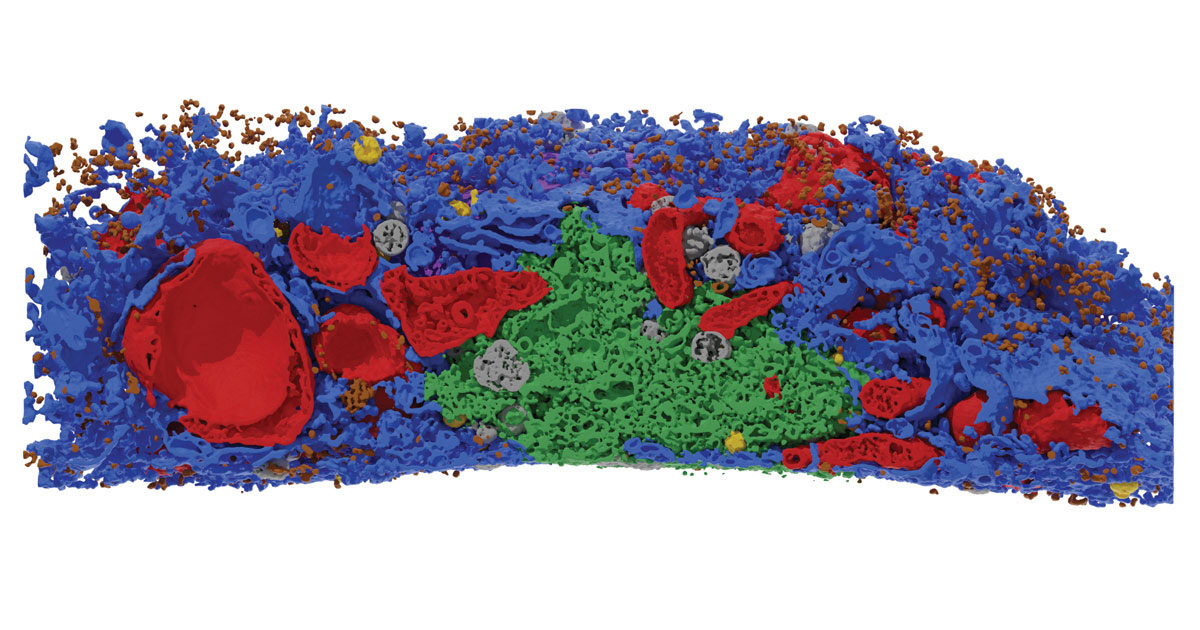
Researchers from The Kids Research Institute Australia and The University of Western Australia have developed a new technique to see inside cells with unprecedented detail, revealing a complicated web of interactions that provides new insights into how cells stay healthy.

The generous support of West Australians through Channel 7’s Telethon Trust will help support vital child health research at The Kids Research Institute Australia in 2023.