
Search

Jaime Turnbull is an early-career public health researcher with a background in Aboriginal health and wellbeing.
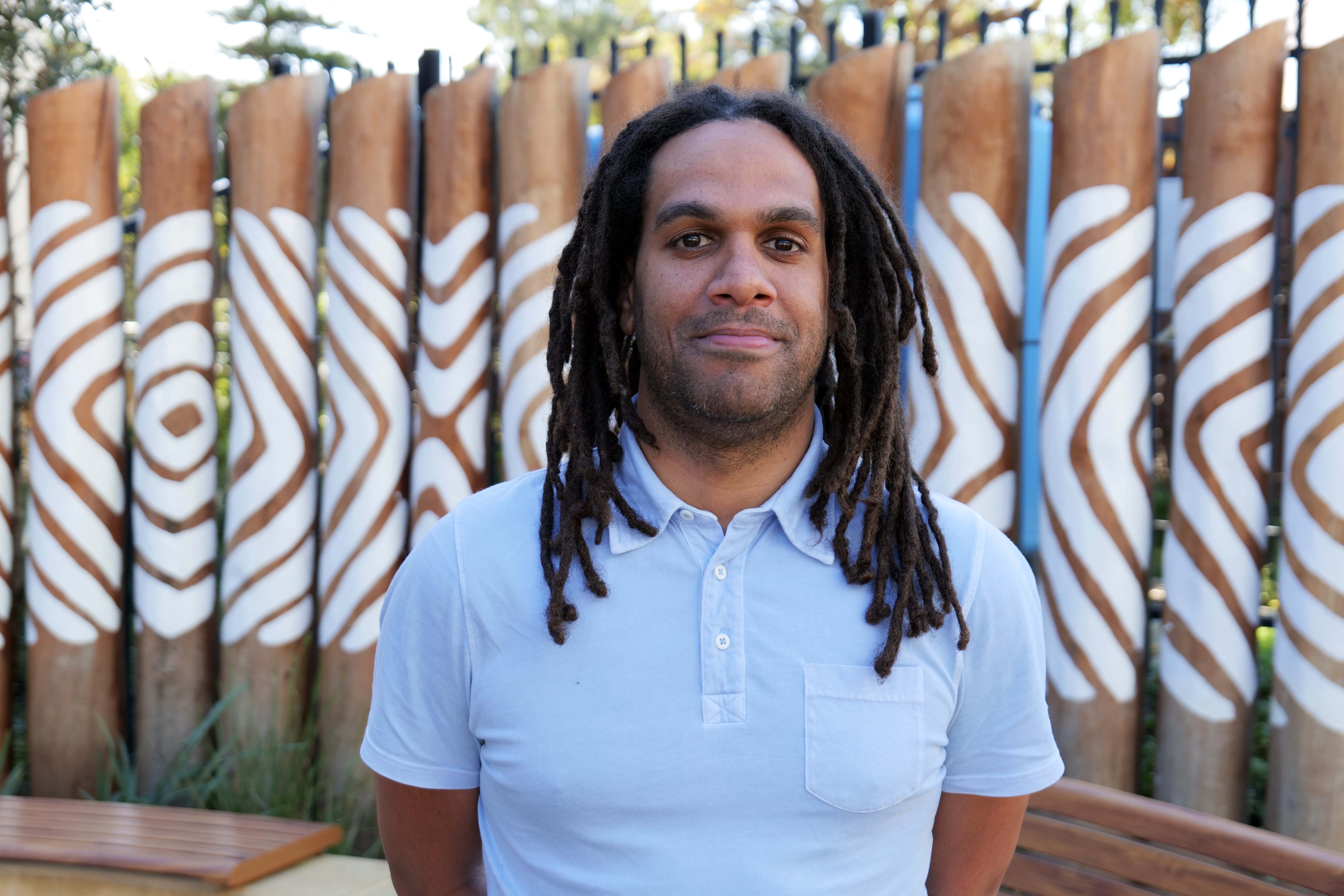
Raheen Williams' staff profile

Amanda is a Certified Child Life Specialist and has a Bachelor of Science in Psychology and Master of Arts in Education with an emphasis on Child Life in Hospitals and Early Childhood Education.
Measures of autistic traits are only useful – for pre-diagnostic screening, exploring individual differences, and gaining personal insight – if they efficiently and accurately assess autism as currently conceptualised while maintaining psychometric validity across different demographic groups. We recruited 1322 autistic and 1279 non-autistic adults who varied in autism status (non-autistic, diagnosed autistic, self-identifying autistic) and gender (cisgender men, cisgender women, gender diverse) to assess the psychometric properties of the Comprehensive Autistic Trait Inventory, a recently developed measure of autistic traits that examines six trait domains using 42 self-report statements.
Aboriginal and Torres Strait Islander Peoples are custodians of one of the oldest living societies; however, the continued impact of colonisation has led to profound trauma and loss which has spanned generations.
The construct of empowerment is associated with beneficial outcomes in numerous populations with well-being across multiple domains. Within families, empowerment has been found to be related to both parent and child well-being. As such, empowerment appears to be a promising concept to support parents of young (< 18 years) trans and gender diverse children and adolescents; however, what empowerment means for parents of trans children and adolescents is not known.
Dissociation can exist along a continuum from normal developmental experiences to severe and contributing to persistent mental illness and impeding normal development. It can also occur as a discreet symptom in a range of disorders or as a disorder itself, and can change depending on a number of factors such as the age and stage of development.
Type 1 Diabetes (T1D) is a 'family illness'; diagnoses and management can be perceived as invasive or traumatic. Caregivers bear the brunt of the diagnostic shock, influencing their child's experience. Children and adolescents may grapple with the psychological effects of past/ongoing medical trauma. Additionally, adolescents may struggle with their mental health as they navigate tensions between caregiver involvement and their developmental need for autonomy.
Despite the various traumatic events that a young person living with type 1 diabetes (T1D) may experience, little is known about the burden and manifestation of traumatic stress in this population. Though mental health outcomes have been explored generally, medical trauma-sensitive approaches to understanding these experiences remain limited. We utilised a qualitative descriptive approach to explore the impact of T1D on young people’s mental health through the paediatric medical traumatic stress model.
Dissociative symptoms are associated with a range of negative outcomes, yet little is understood about how adolescents experience dissociation in their daily lives. This study aimed to describe adolescents’ dissociative symptoms from the perspective of adolescents, their parents, and their treating clinicians.