
Search
Multiple studies have shown an association between intussusception (IS) and receipt of monovalent or pentavalent rotavirus vaccine (RV) in the previous 21 days. Disease severity is an important consideration for risk-benefit evaluations of RV, but no studies have compared the severity of IS within 21 days of vaccination (vaccine-associated, VA) and later (not temporally-associated, VNA).
Respiratory syncytial virus (RSV) is the most common cause of acute lower respiratory infection in young children. We previously estimated that in 2015, 33·1 million episodes of RSV-associated acute lower respiratory infection occurred in children aged 0-60 months, resulting in a total of 118 200 deaths worldwide.
In view of the mounting death toll of COVID-19 worldwide and the complicating circumstances that commonly accompany such losses, we studied the grief experiences of 209 adult mourners who lost a loved one to coronavirus with a focus on self-blaming emotions and unresolved issues with the deceased.
Postinfectious acute cerebellar syndromes show a wide spectrum of acute severity and can occur with acute febrile illness or vaccine receipt. Varicella has historically been the most common cause, associated with up to 25% of cases in large cohorts. This study aimed to describe the spectrum of syndromes in a setting with high varicella vaccine coverage.
Polymicrobial sepsis is associated with worse patient outcomes than monomicrobial sepsis. Routinely used culture-dependent microbiological diagnostic techniques have low sensitivity, often leading to missed identification of all causative organisms.
Without any realistic prospect of comprehensive global vaccine coverage and lasting immunity, control of pandemics such as COVID-19 will require implementation of large-scale, rapid identification and isolation of infectious individuals to limit further transmission. Here, we describe an automated, high-throughput integrated screening platform, incorporating saliva-based loop-mediated isothermal amplification (LAMP) technology, that is designed for population-scale sensitive detection of infectious carriers of SARS-CoV-2 RNA.
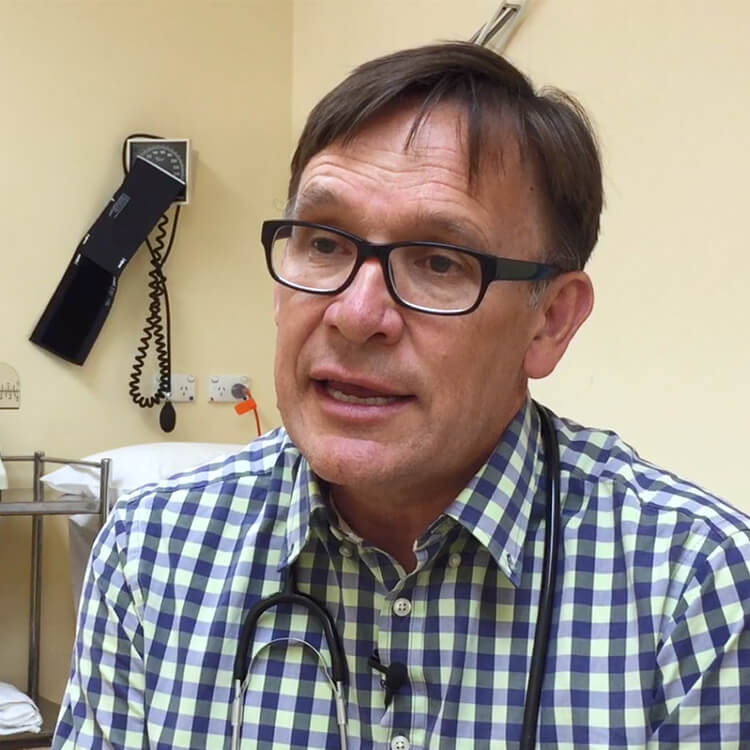
A new study has confirmed the changing pattern of meningococcal disease in Western Australia.
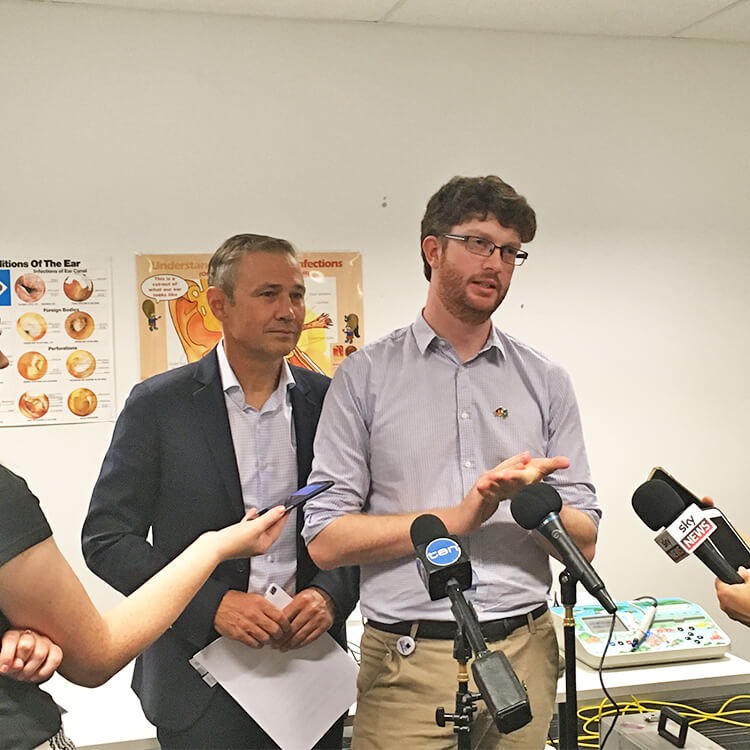
Wait times for Aboriginal children suffering ear infections could be reduced to less than four weeks thanks to a new The Kids Research Institute Australia research project
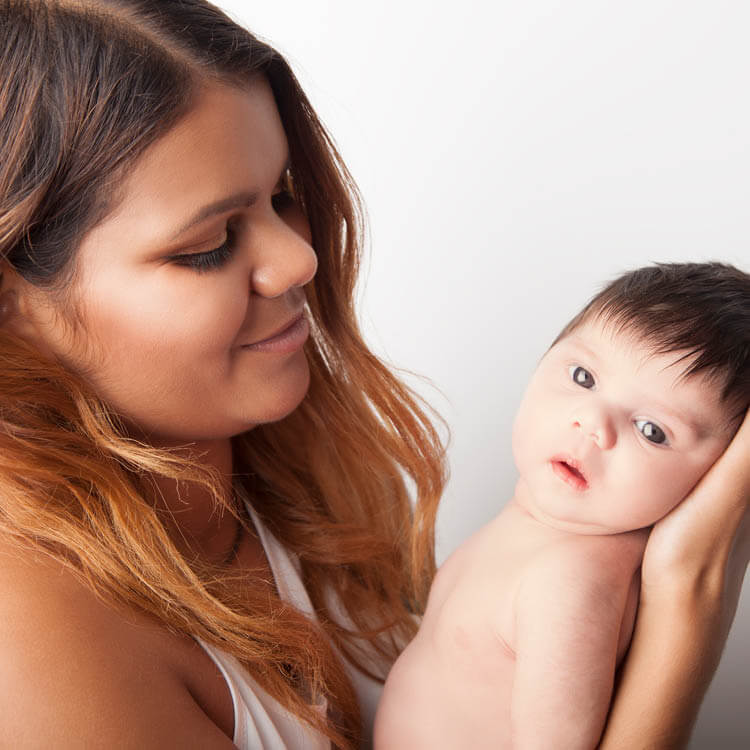
In a WA first, researchers from The Kids Research Institute Australia have shown that Aboriginal babies are 22.5 times more likely to be treated for skin infections than non-Aboriginal babies.
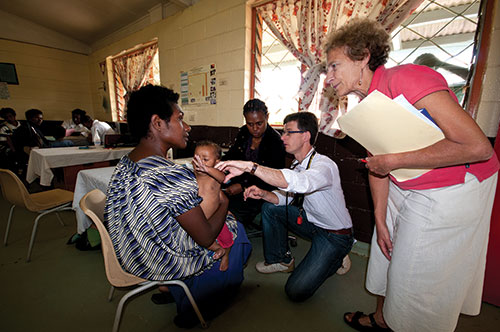
Clinical Associate Professor Deborah Lehmann has been recognised for her dedication to reducing the burden of infectious diseases in Papua New Guinea (PNG) with an award supporting research in the Western Pacific named in her honour.