
Search
Although uncommon, invasive meningococcal disease (IMD) results in death in 5%-10% of cases in healthy children and adolescents. This study aimed to examine demographics, clinical presentation, treatment and outcomes of Australian children hospitalized with IMD during the introduction of the meningococcal vaccine program, overall and by serogroup/disease severity.
Pneumococcal conjugate vaccine (PCV) prevents pneumococcal disease and pneumonia, but indirect effects are poorly understood in low-coverage, high-burden settings like Papua New Guinea (PNG). PNG introduced 13-valent PCV (PCV13) in 2014. We aimed to assess direct and indirect effectiveness of PCV13 against vaccine-type pneumococcal carriage among children with pneumonia or suspected meningitis in PNG
Respiratory syncytial virus (RSV) is a significant cause of respiratory infections in young children. Since 2021, RSV has been a notifiable disease in Australia. However, current surveillance systems focus on hospitalised RSV, with limited surveillance at a community level through primary care clinics. This approach only captures RSV requiring hospitalisation. Less severe illnesses, while not captured, may have significant social and economic impacts including the associated cost of care and absenteeism. The aim of this study is to establish an understanding of the broader burden of RSV in young children in a community setting.
This study described the presenting features, initial assessment, hospital care, and complications at discharge among Australian adolescents and young adults with Invasive meningococcal disease.
To determine the incidence, serotype distribution and clinical outcomes of invasive pneumococcal disease in children with acute lymphoblastic leukaemia following widespread use of pneumococcal conjugate vaccines.
Understanding patterns of bacterial carriage and otitis media (OM) microbiology is crucial for assessing vaccine impact and informing policy. The microbiology of OM can vary with geography, time, and interventions like pneumococcal conjugate vaccines (PCVs). We evaluated the microbiology of nasopharyngeal and middle ear effusions in children living in Western Australia, 11 years following the introduction of PCV13.

Two projects led by The Kids Research Institute Australia have been awarded more than $2.5 million to fund innovative ideas focused, respectively, on combating persistent ear infections and investigating how dangerous fungi invade the bodies of immunocompromised people.

The Leducq Foundation has bolstered an Australian-led bid to develop a Strep A vaccine, committing USD4.3 million to fund critical scientific work.

Enrolments for Australia’s first needle-free, gene-based COVID-19 vaccine study – to be led in WA by The Kids Research Institute Australia – are open.
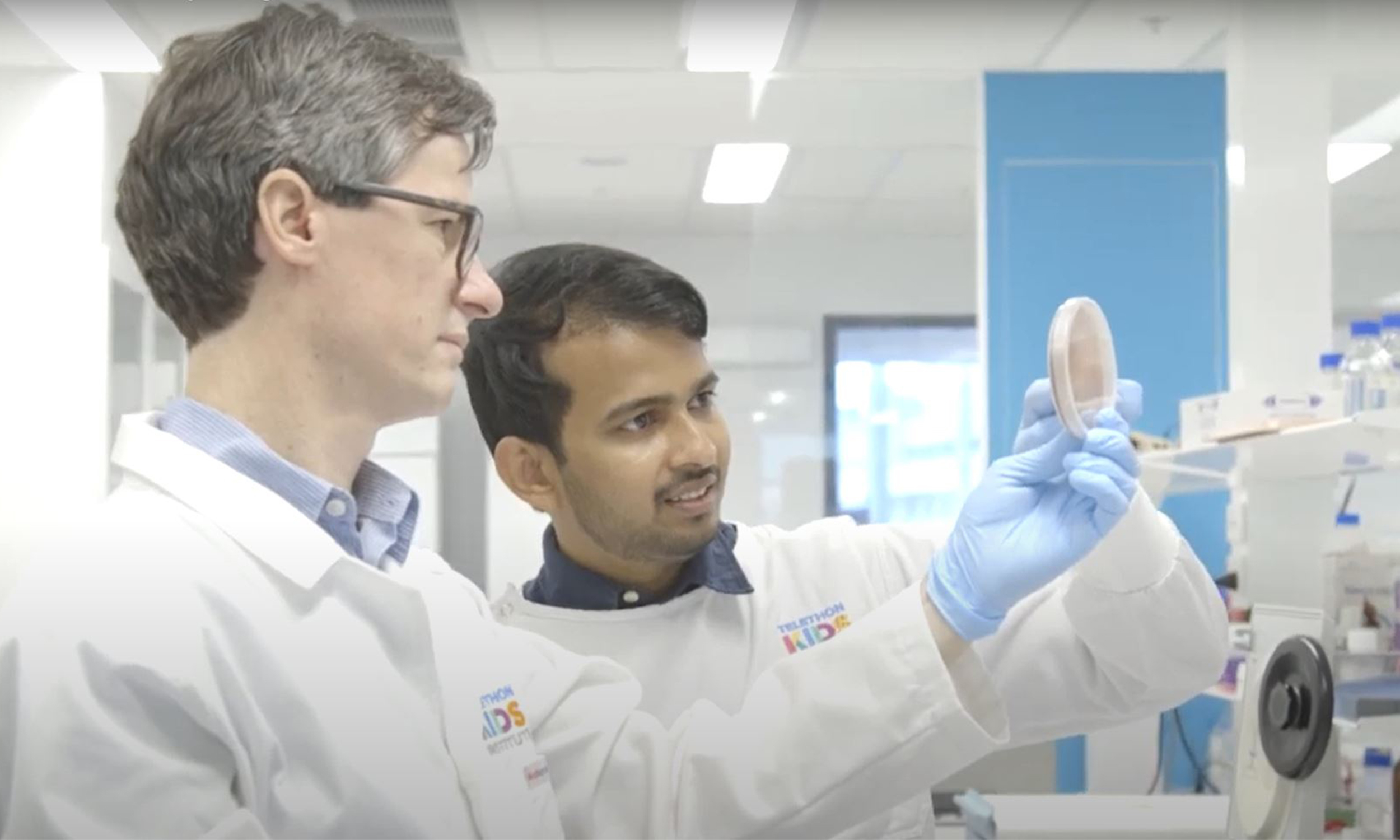
Australian researchers have uncovered a new form of antimicrobial resistance (AMR) – undetectable using traditional laboratory testing methods – in a discovery set to challenge existing efforts to monitor and tackle one of the world’s greatest health threats.