
Search
We report vaccine efficacy against CIN3+ and adenocarcinoma in situ (AIS) in the end-of-study analysis of PApilloma TRIal against Cancer In young Adults.
We report vaccine efficacy against CIN3+ and adenocarcinoma in situ (AIS) in the end-of-study analysis of PATRICIA (PApilloma TRIal against Cancer In young...
In Australia the 7-valent pneumococcal conjugate vaccine (PCV7) is administered at 2, 4 and 6 months of age, with no booster dose.
Concerns about the risk of inducing immune deviation-associated "neonatal tolerance" as described in mice have restricted the widespread adoption...
Increased numbers of children presenting with febrile adverse events following trivalent influenza vaccine (TIV) were noted in Australia in 2010.
Despite the use of measles vaccine, measles virus continues to circulate and cause severe disease
Leishmania (Viannia) parasites present particular challenges, as human and murine immune responses to infection are distinct from other Leishmania species
Hib-primed but MenC-naive toddlers (N = 433) were randomized to receive 1 dose of Hib-MenC-TT or separate Hib-TT and MenC-CRM197 vaccines.
Evidence suggests that children who had received an initial priming dose of whole-cell pertussis (wP) vaccine, rather than acellular pertussis (aP) vaccine, had a lower risk of developing IgE-mediated food allergy, the most common cause of anaphylaxis-related hospital presentations of childhood.
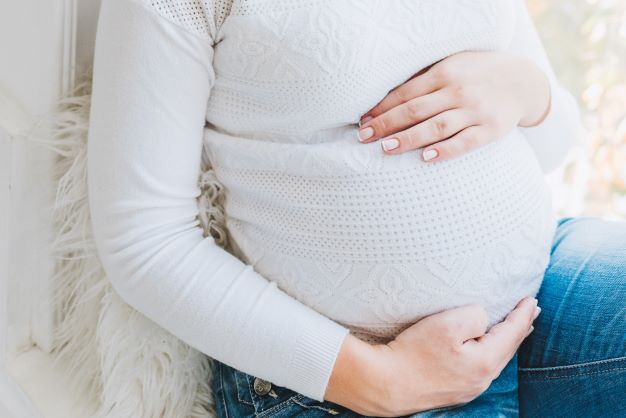
New collaborative research involving almost 600,000 pregnant mothers has demonstrated a dramatic increase in uptake of the whooping cough (pertussis) vaccine after identifying just 22 per cent of WA women had the maternal vaccination between 2012 – 2017.