
Search
The incidence of mental illness is greatest among young adults, and those enrolled in higher education may be particularly vulnerable compared to the general young adult population. Many higher education institutions employ student support staff tasked with implementing strategies to improve student wellbeing and mental illness.
This study adds to the current literature by using a novel device-based method to explore where preschool children are physically active outside of home and childcare settings. This study combined accelerometry with geospatial data to explore the influence of the environment on preschool children's physical activity by objectively identifying the locations where preschool children engage in moderate to vigorous physical activity (MVPA) within and outside of their neighborhood.
Examine the reliability of field-based fitness assessments in school-aged children with emotional or behavioral difficulties (EBD). Understanding the impact of fitness on physical activity participation for children with EBD is limited by our ability to reliably measure it.
The objective of this study was to explore Australian children's engagement in physical activity and screen time while being cared for by their grandparents.
Regular physical activity and exercise are important for youth and essential components of a healthy lifestyle. For youth with type 1 diabetes, regular physical activity can promote cardiovascular fitness, bone health, insulin sensitivity, and glucose management. However, the number of youth with type 1 diabetes who regularly meet minimum physical activity guidelines is low, and many encounter barriers to regular physical activity.
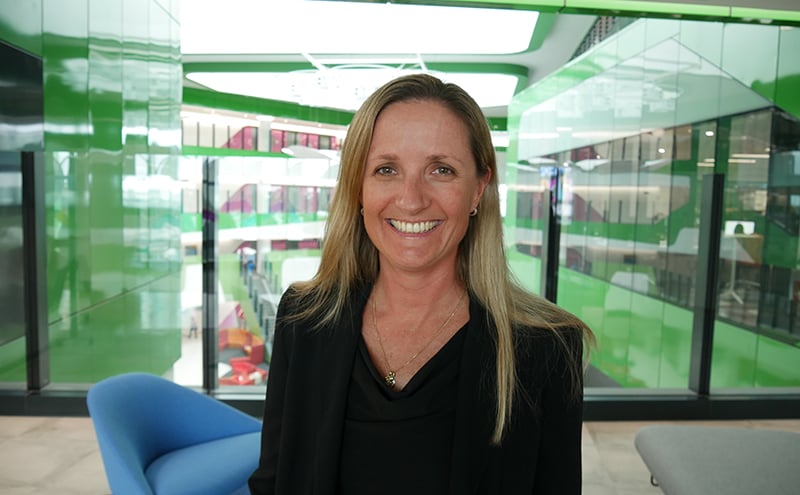
A The Kids Research Institute Australia researcher focused on promoting more active childhoods to improve child health and wellbeing will be named amongst WA’s most outstanding young scientists at the upcoming 2020 Young Tall Poppy Science Awards.
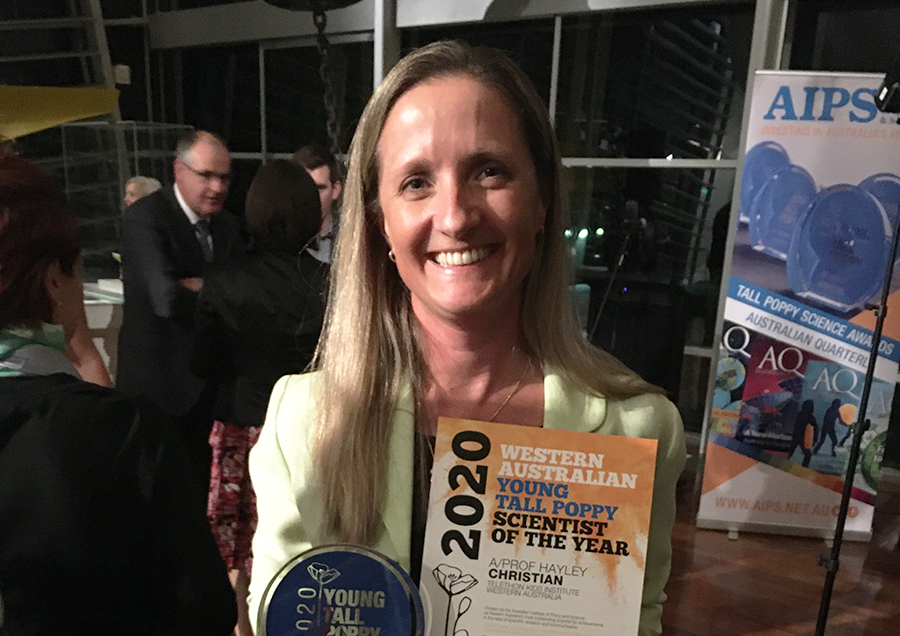
The Kids Research Institute Australia and University of Western Australia physical activity researcher Hayley Christian has been named Young Tall Poppy Scientist of the Year at the 2020 WA Young Tall Poppy Science Awards.
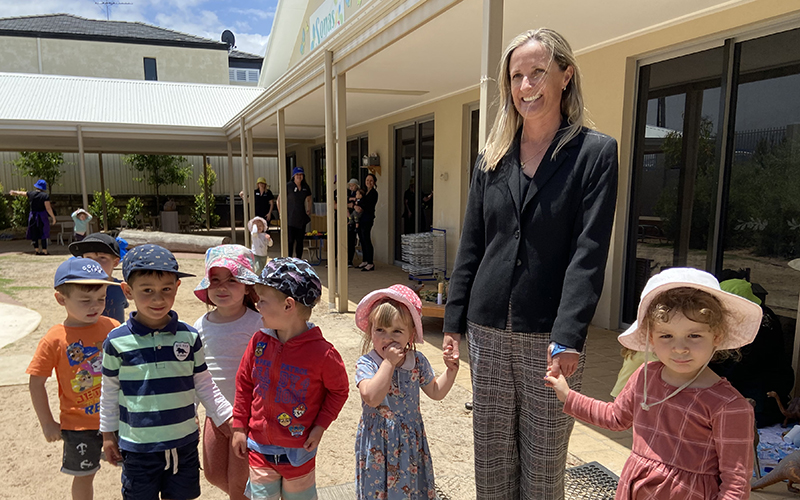
Childcare centres will be invited to help boost children’s physical activity levels by signing on to a new program which commits them to creating more opportunities for physical activity.
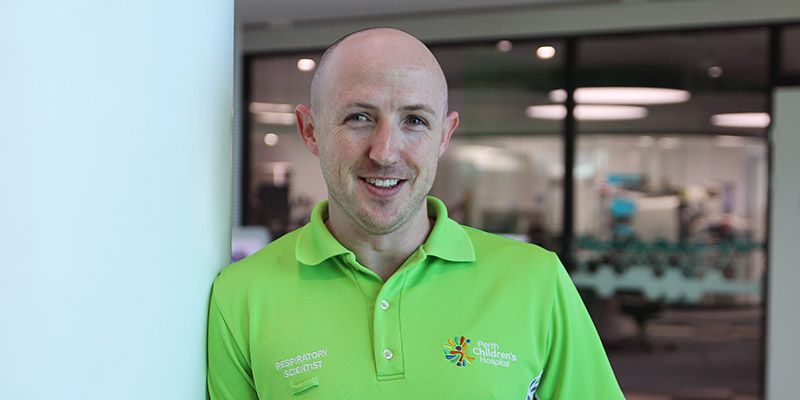
Parents of children born prematurely have expressed concerns about their child’s lung health when they exercise, with symptoms such as breathlessness.
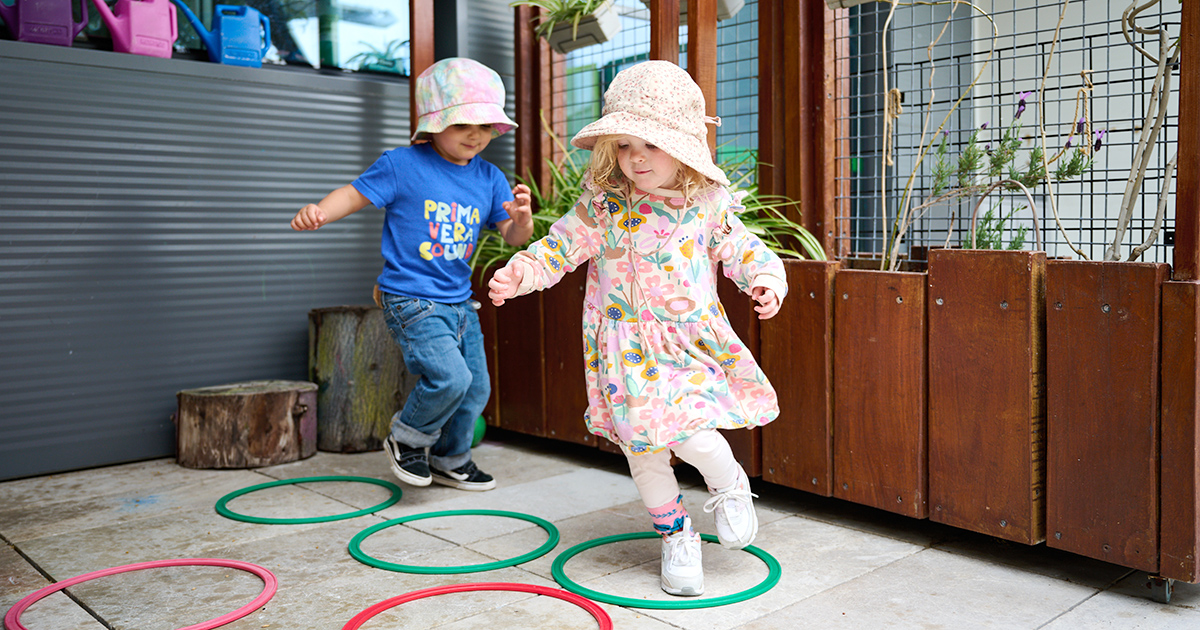
Did you know our research shows that less than 20 per cent of young Australian children get enough energetic play each day? Many children are spending more time sitting still or on screens, and not enough time moving, exploring and playing, which is fundamental to their healthy development.