
Search
An estimated half of all children with cerebral palsy also have comorbid intellectual disability, the domains of QOL for these children are not well understood
The intervention group improved in goal performance, proprioception, and bimanual hand use and maintained improvement at 6-mo follow-up.
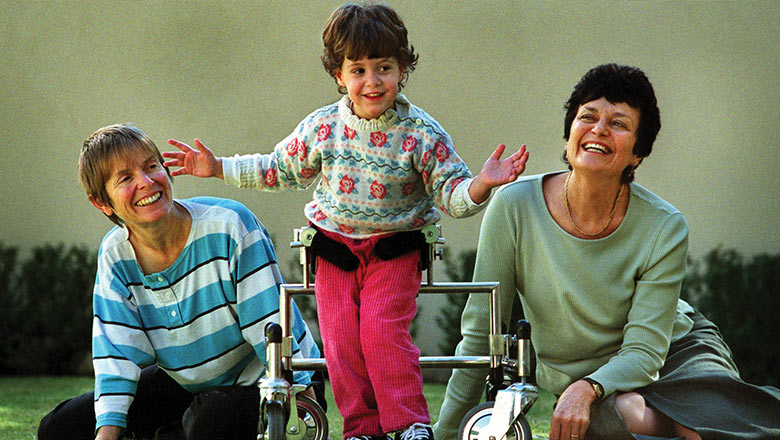
Cerebral palsy is not only the result of birth trauma and the lack of oxygen supply during delivery.
Much information exists about functions of the human placenta and about potential mechanisms by which the placenta may influence human health or disease...
To evaluate the associations between complex hip surgery and subsequent hospitalizations in children with intellectual disability, including a subset of children with cerebral palsy.
To describe the timing and causes of post-neonatally acquired cerebral palsy (PNN-CP) and map the implementation of relevant preventive strategies against cause-specific temporal trends in prevalence.
Aim: To: (1) develop a core outcome set (COS) to assess chronic pain interference and impact on emotional functioning for children and young people with cerebral palsy (CP) with varying communication, cognitive, and functional abilities; (2) categorize the assessment tools according to reporting method or observer-reported outcome measures; and (3) categorize the content of tools in the COS according to the International Classification of Functioning, Disability and Health (ICF).
Fidgety movements occur in infants between the age of 9 to 20 weeks post-term, and their absence are a strong indicator that an infant has cerebral palsy. Prechtl's General Movement Assessment method evaluates whether an infant has fidgety movements, but requires a trained expert to conduct it. Timely evaluation facilitates early interventions, and thus computer-based methods have been developed to aid domain experts.
The EQ-5D-5L is a generic health utility instrument for measuring health-related quality of life (HRQoL), with self-report and proxy report versions for children (EQ-5D-Y-5L). Children with intellectual disability (ID) are a heterogeneous population whose impairments and comorbidities place them at risk of poor HRQoL. This study aimed to describe the content validity and suitability for children with ID of a proxy report version of the EQ-5D-Y-5L as seen by their caregivers.
Children with cerebral palsy (CP) participate less in physical activities and have increased sedentary behaviour compared with typically developing peers. Participate CP is a participation-focused therapy intervention for children with CP with demonstrated efficacy in a phase II randomised controlled trial (RCT) to increase perceived performance of physical activity participation goals. This study will test the effectiveness of Participate CP in a multisite phase III RCT.