
Search
Intramuscular benzathine penicillin G (BPG) injections are a cornerstone of secondary prophylaxis to prevent acute rheumatic fever (ARF) and rheumatic heart disease (RHD). Uncertainties regarding inter-ethnic and preparation variability, and target exposure profiles of BPG injection are key knowledge gaps for RHD control.
Acute rheumatic fever (ARF) is an abnormal immune reaction following Streptococcus pyogenes (Strep A) infection of the throat, and likely the skin. Primary prevention is the prompt and appropriate antibiotic treatment of Strep A infection, and it can reduce the risk of developing ARF and subsequent rheumatic heart disease.
The diagnosis of acute rheumatic fever relies on a combination of clinical evaluation and laboratory studies. Diagnosis is usually made using the Jones criteria, which have recently been updated in 2015.
The RHD Endgame Strategy: the blueprint to eliminate rheumatic heart disease in Australia by 2031 (the Endgame Strategy) is the blueprint to eliminate rheumatic heart disease (RHD) in Australia by 2031. Aboriginal and Torres Strait Islander people live with one of the highest per capita burdens of RHD in the world.
Benzathine penicillin G has been used as monthly deep intramuscular (IM) injections since the 1950s for secondary prevention of acute rheumatic fever and rheumatic heart disease (RHD). Injection frequency and pain are major programmatic barriers for adherence, prompting calls for development of better long-acting penicillin preparations to prevent RHD.
Jonathan Judy Alex Jeffrey Rosemary Carapetis AM Katzenellenbogen Brown Cannon Wyber AM MBBS FRACP FAFPHM PhD FAHMS BSc (Occ Ther) BSc Hons (

There are calls for a significant and urgent injection of $40 million in funding to tackle Rheumatic Heart Disease (RHD) following Monday night’s Four Corners episode.
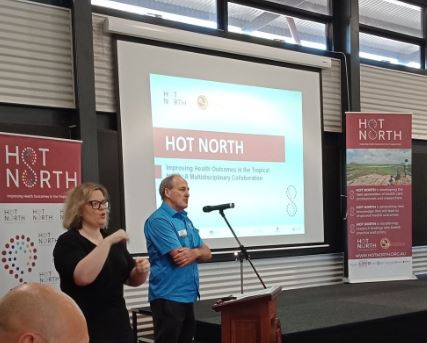
Over 100 researchers and health professionals from around Australia have united in Broome this week to address the major health battles facing people living in the tropical north of the country.

Some of the nation’s leading medical researchers will converge on Darwin this week to step out a plan to wipe out rheumatic heart disease.
Researchers at The Kids Research Institute Australia say Group A Streptococcus should become a nationally notifiable disease in Australia.