
Search
The staff bio of Sarah Cattermole
Amelia Freeman's staff profile at The Kids Research Institute Australia
Research Assistant
Ines is a Senior Research Officer on the Healing Kids, Healing Families team.
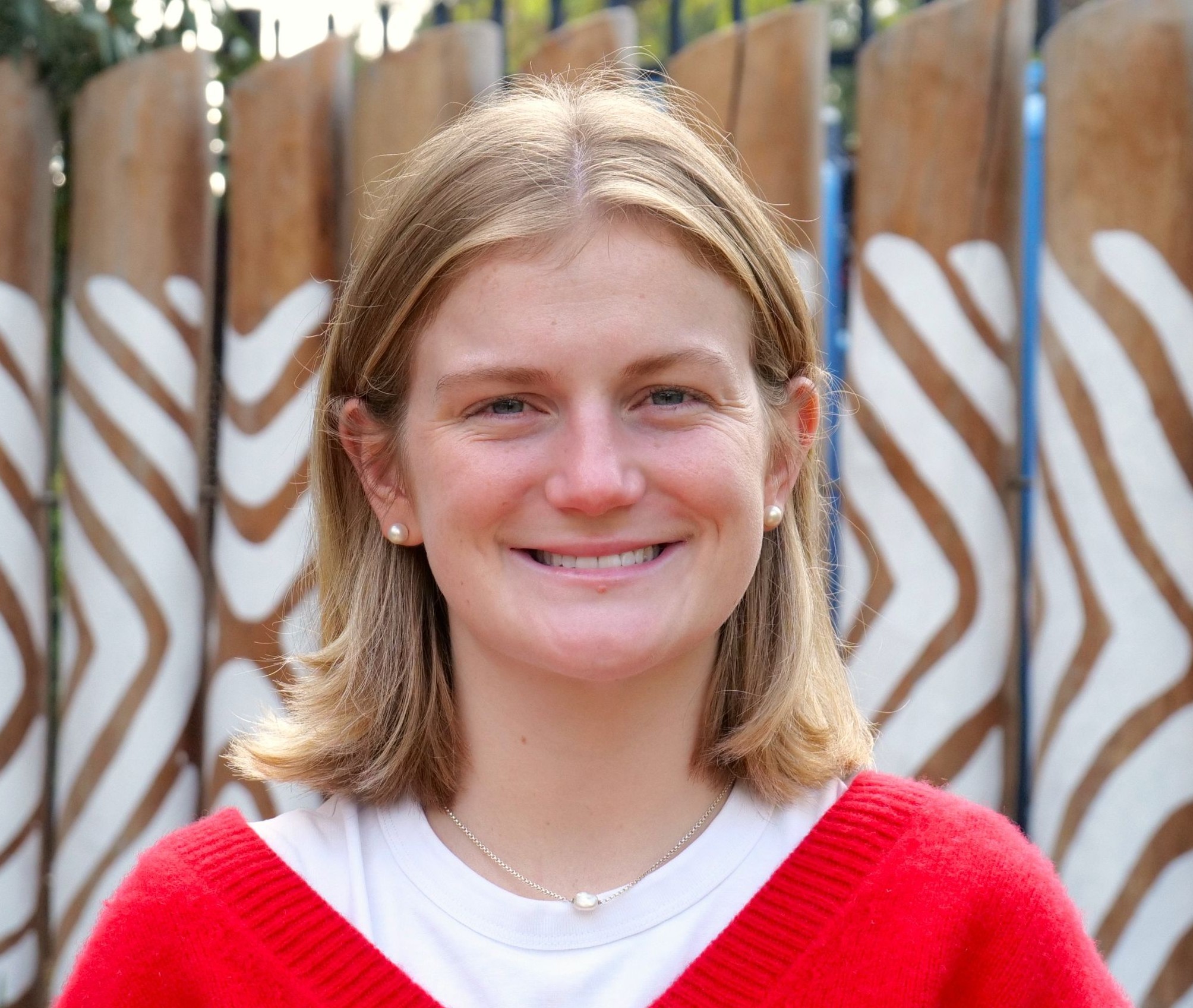
Jaime Turnbull is an early-career public health researcher with a background in Aboriginal health and wellbeing.
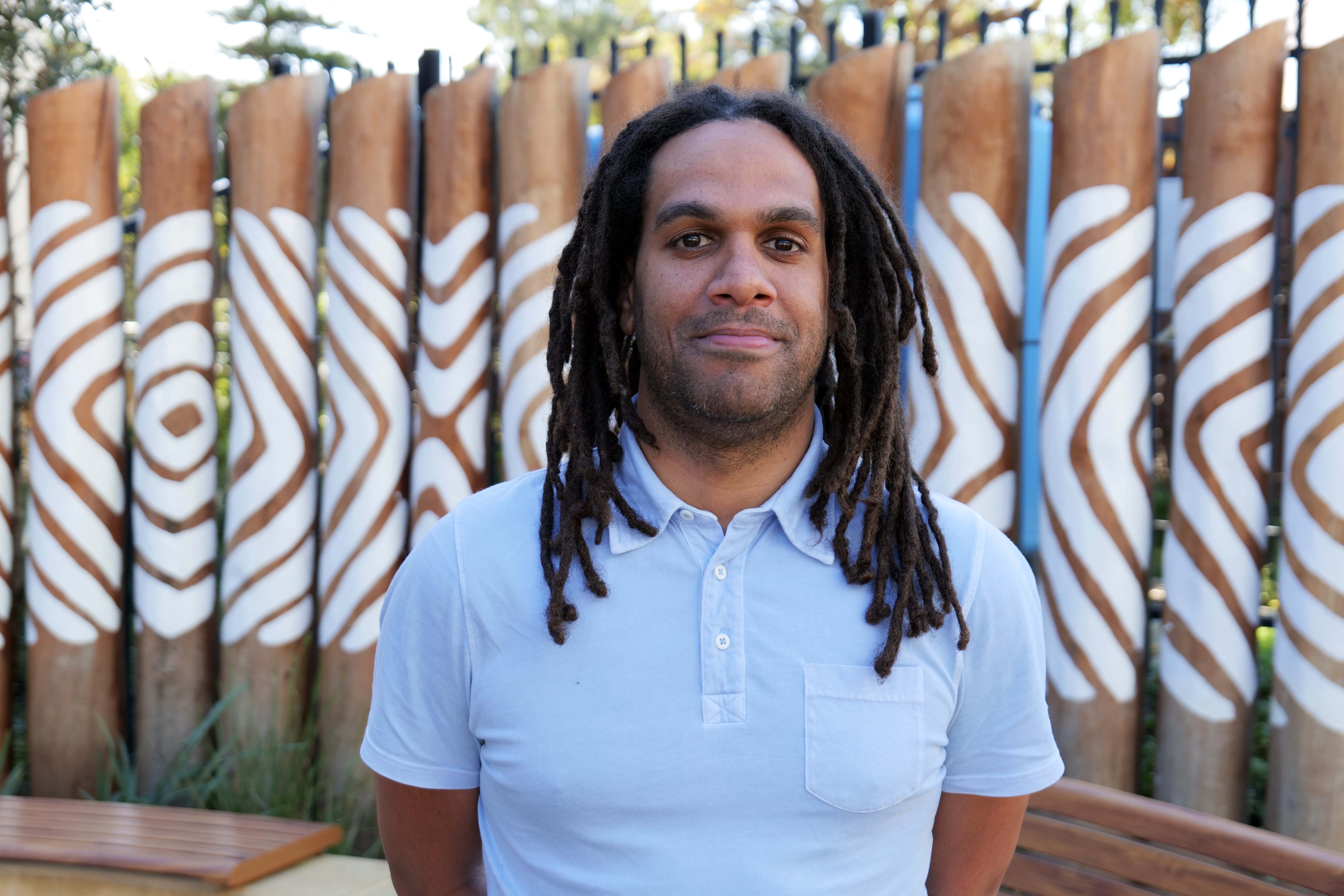
Raheen Williams' staff profile
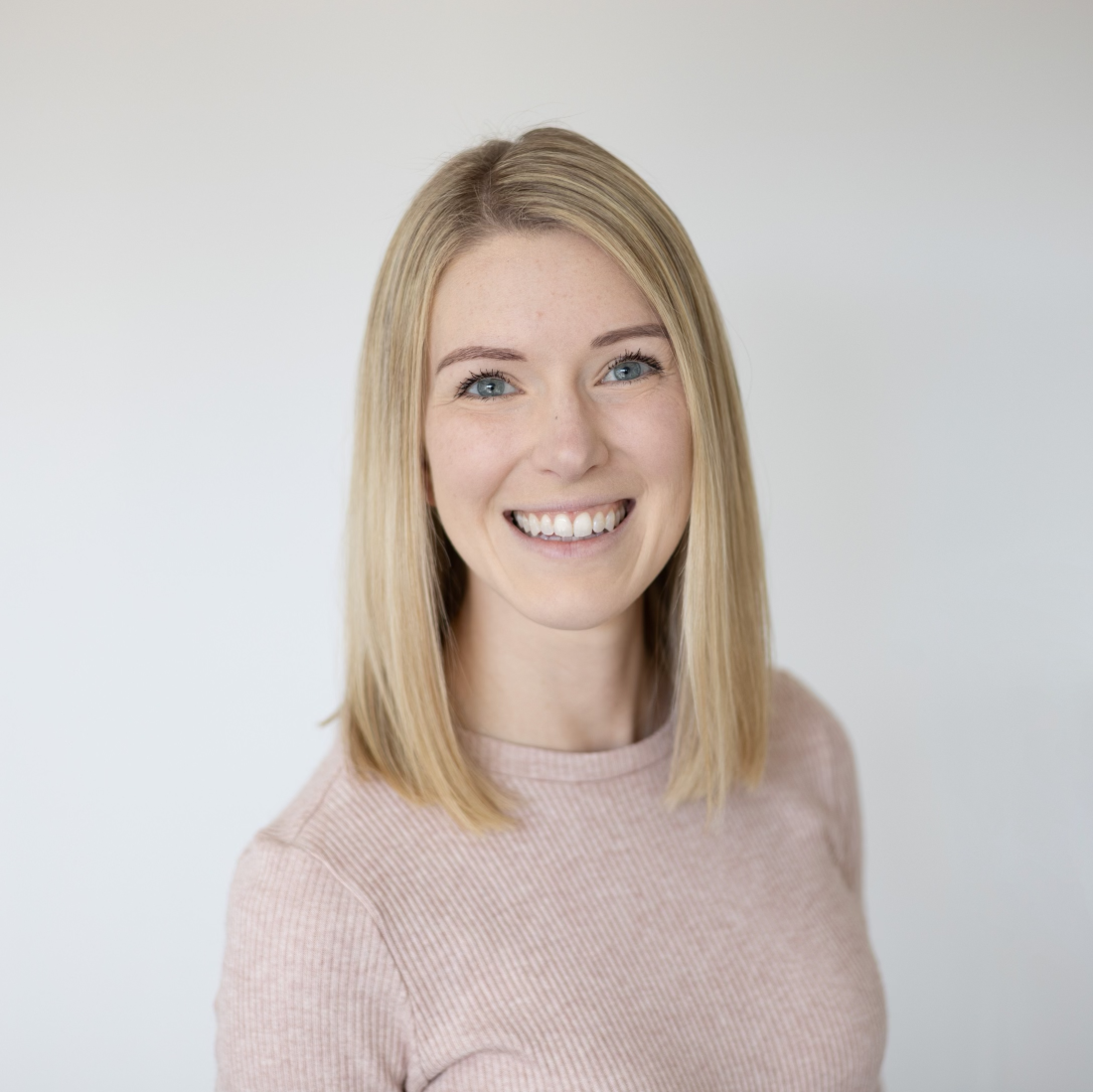
Amanda is a Certified Child Life Specialist and has a Bachelor of Science in Psychology and Master of Arts in Education with an emphasis on Child Life in Hospitals and Early Childhood Education.
Dissociation is the act of separating oneself from reality and is often used by children and young people to disconnect from traumatic experiences.
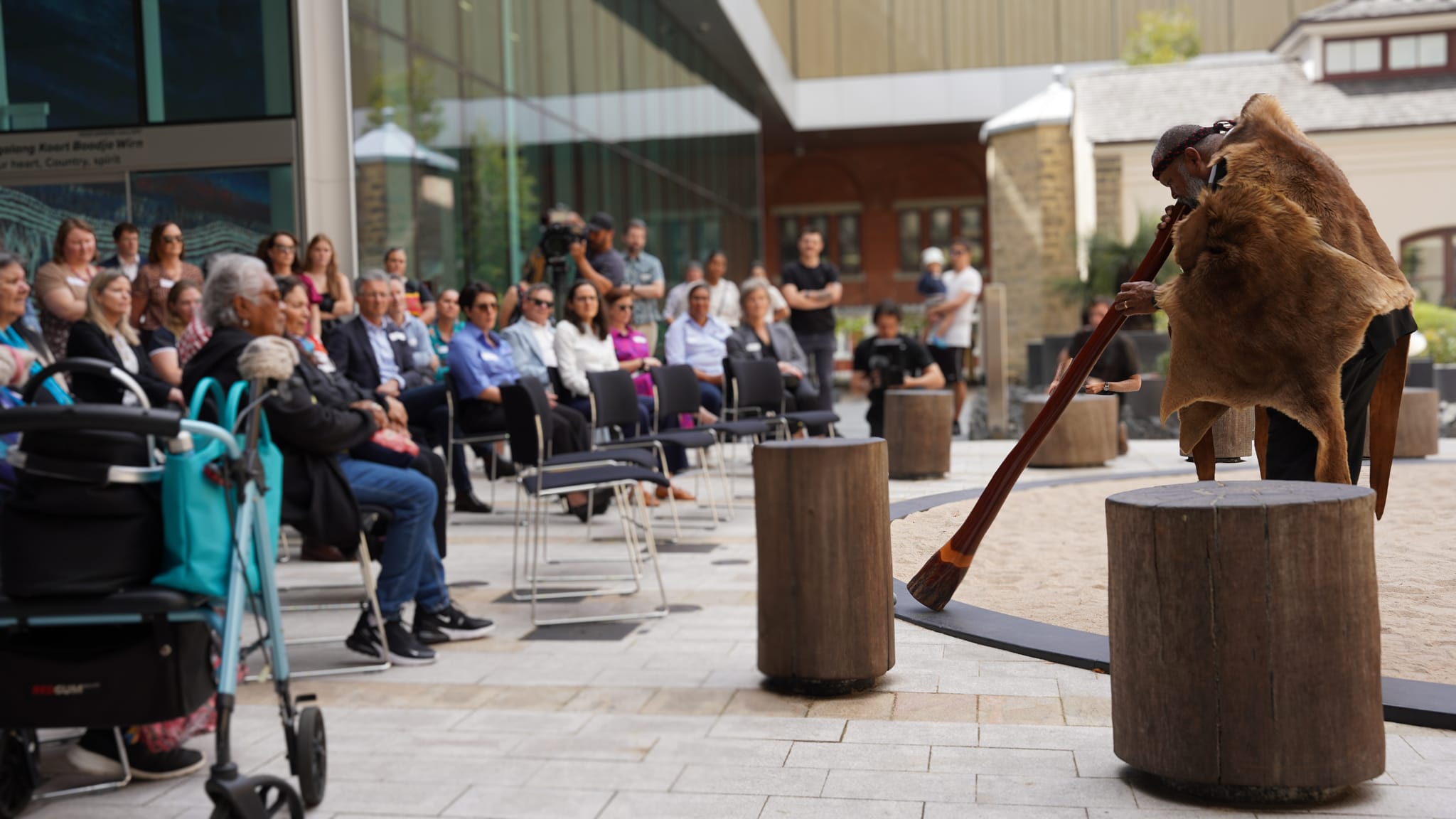
The impact of colonisation, genocide, and continuing discriminatory policies have created a context for ongoing disadvantage, trauma, and high rates of mental health issues for Aboriginal and Torres Strait Islander young people.
Megan is a training specialist on the Healing Kids, Healing Families Team.