Search
A type 1 diabetes (T1D) transition clinic in Sydney, Australia, provides age specific care for young adults (aged 16-25 years) and for adults (aged 21 years and above), and has reported improved clinical outcomes post transition to adult care over a 21-year period. This study investigated the contribution of digital technology to long-term resilient capacity of the clinic.
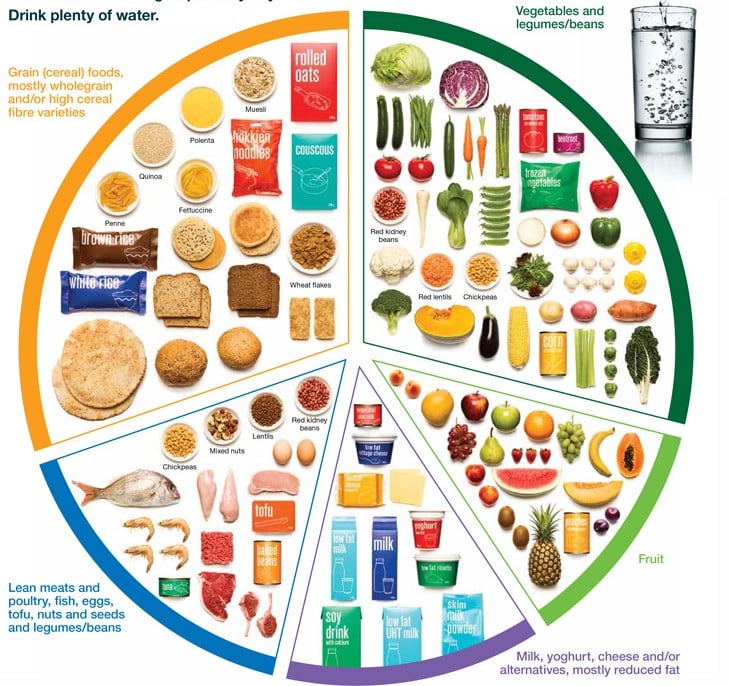
Humans are commonly exposed to plastic through their dietary intake and food consumption patterns. Plastic-associated chemicals (PAC), such as bisphenols and phthalates, are recognized as endocrine-disrupting and are associated with increased risk of cardiovascular disease and metabolic syndrome. However, accurate methods to assess dietary exposure to plastic products and PAC are inadequate, limiting interrogation of health impacts.
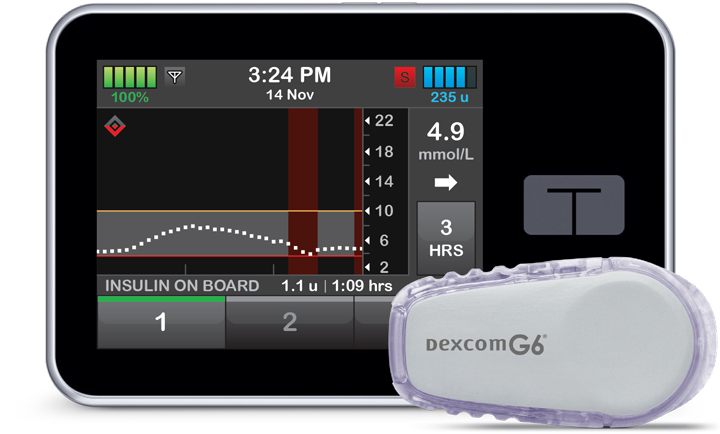
Regular physical activity and exercise (PA) are cornerstones of diabetes care for individuals with type 1 diabetes. In recent years, the availability of automated insulin delivery (AID) systems has improved the ability of people with type 1 diabetes to achieve the recommended glucose target ranges. PA provide additional health benefits but can cause glucose fluctuations, which challenges current AID systems.
Blood glucose management around exercise is challenging for youth with type 1 diabetes (T1D). Previous research has indicated interventions including decision-support aids to better support youth to effectively contextualize blood glucose results and take appropriate action to optimize glucose levels during and after exercise. Mobile health (mHealth) apps help deliver health behavior interventions to youth with T1D, given the use of technology for glucose monitoring, insulin dosing, and carbohydrate counting.
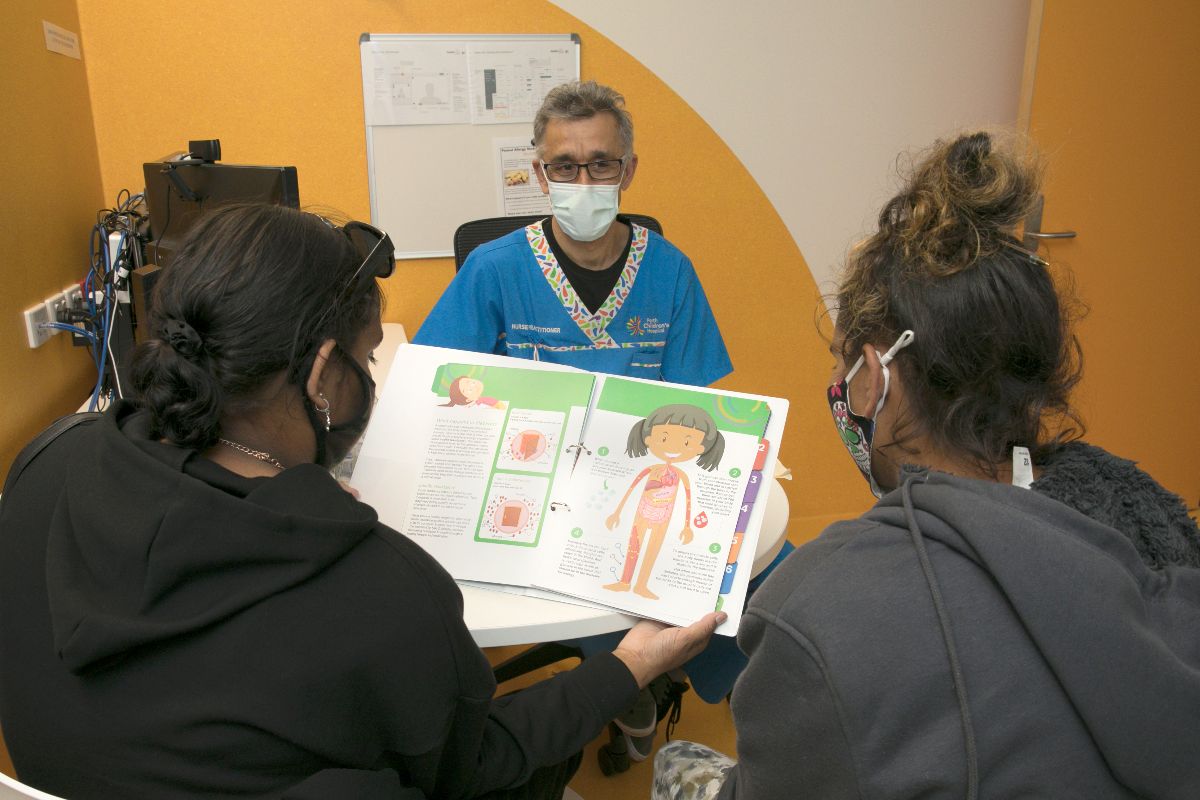
Managing the care regimen for Type 1 Diabetes is challenging for emerging adults, as they take on greater responsibility for self-management. A diverse range of models of care have been implemented to improve safety and quality of care during transition between paediatric and adult services. However, evidence about acceptability and effectiveness of these is limited.
To assess the real-world performance of MiniMed™ 780G for Australians with type 1 diabetes (T1D) following advanced hybrid closed loop (AHCL) activation and to evaluate the effect of changing from MiniMed 670/770G to 780G.
Continuous glucose monitoring systems are used in therapeutic decisions for diabetes management, however, the impact of body composition on CGM accuracy is not known. Body composition variables were collected in an observational study designed to determine the accuracy of an investigational Medtronic Guardian™ sensor 3.
Hypertension increases complication risk in type 1 diabetes (T1D). We examined blood pressure (BP) in adolescents and young adults with T1D from the Australasian Diabetes Data Network, a prospective clinical diabetes registry in Australia and New Zealand.
Type 1 diabetes (T1D) is a chronic and incurable autoimmune disease, diagnosed in early childhood and managed initially in paediatric healthcare services. In many countries, including Australia, national audit data suggest that management and care of T1D, and consequently glycaemic control, are consistently poor.
Liz Davis MBBS FRACP PhD Co-director of Children’s Diabetes Centre Co-director of Children’s Diabetes Centre Professor Davis is a paediatric