
Search
Ruth Peter Thornton Richmond PhD MBBS MRCP(UK) FRACP Co-head, Bacterial Respiratory Infectious Disease Group (BRIDG) Head, Vaccine Trials Group
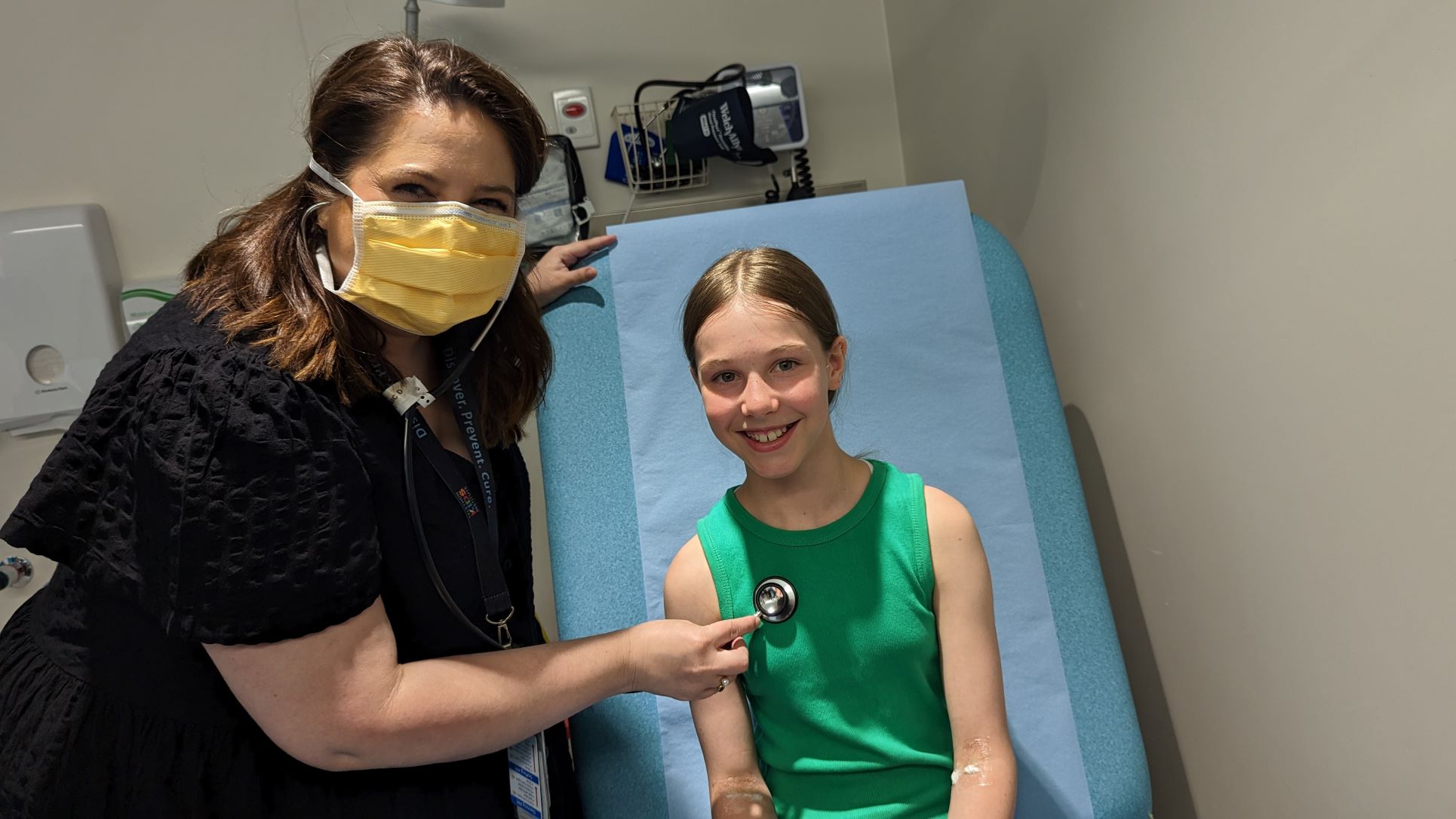
Tiny babies could soon have much-needed protection from community transmission of potentially deadly whooping cough thanks to a world-first nasal spray vaccine being trialed at The Kids Research Institute Australia.

Research by The Kids Research Institute Australia will soon ensure young children are better protected against whooping cough.

The Deborah Lehmann Research Award in Paediatric Infectious Disease Research is a funding mechanism to support the training and development of early- to mid-career researchers (EMCR) or Higher Degree by Research (HDR) students who are nationals from the Pacific Region working in or outside their hom