
Search
Pneumonia is the leading cause of death in young children globally and is prevalent in the Papua New Guinea highlands. We investigated clinical predictors of hypoxic pneumonia to inform local treatment guidelines in this resource-limited setting.
Investigators: Alanna Sincovich Project description: The Pacific Early Age Readiness and Learning (PEARL) Programme, implemented by the World Bank,
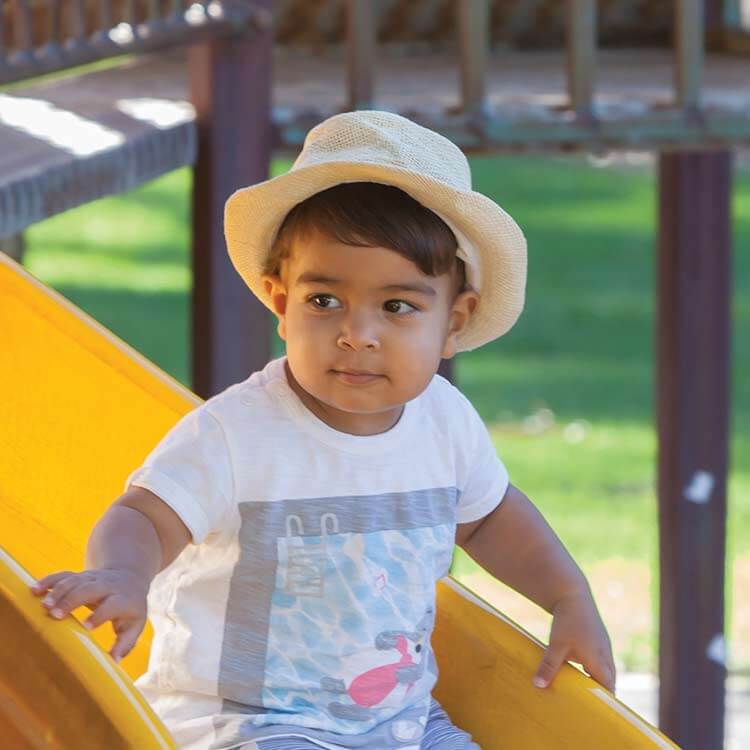
The Early Years Systems Evidence (EYSE) team specialises in working in partnership with governments and service providers, with a distinct focus on improving the life chances of children in Australia.
Every child deserves the best possible start in life. Evidence demonstrates the period from pre-birth to three years is a vital period of development. It lays the foundations for a child’s future and has life-long impacts on health, education, job opportunities, social inclusion and wellbeing.
The number of words children produce (expressive vocabulary) and understand (receptive vocabulary) changes rapidly during early development, partially due to genetic factors. Here, we performed a meta-genome-wide association study of vocabulary acquisition and investigated polygenic overlap with literacy, cognition, developmental phenotypes, and neurodevelopmental conditions, including attention-deficit/hyperactivity disorder.
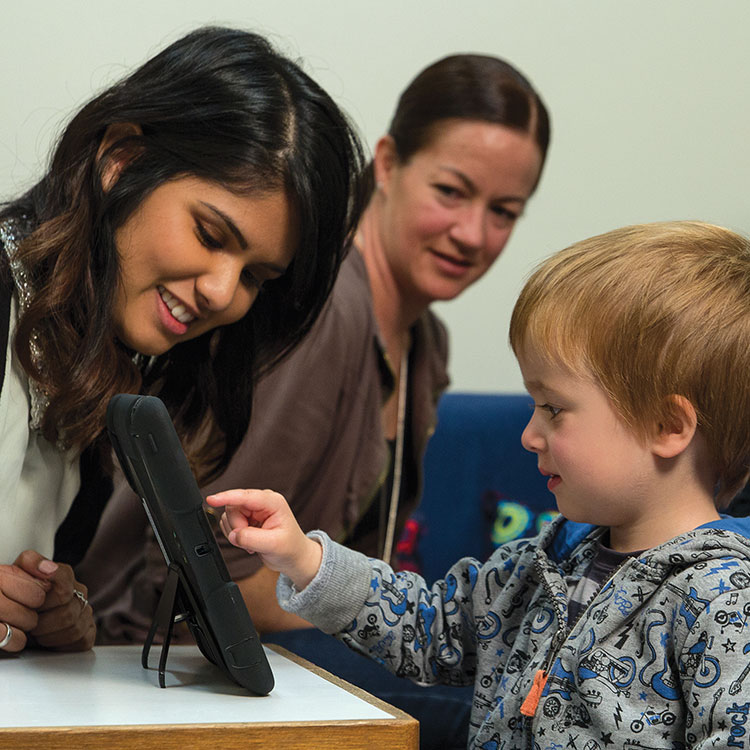
A The Kids Research Institute Australia study has shown that in addition to intervention with trained therapists, children with autism may benefit from app-based therapies.
Aotearoa New Zealand does not provide publicly-funded intensive autism support. While parent-mediated supports are promising, children and families may also benefit from direct clinician support. We tested the efficacy of a low-intensity programme involving parent- and clinician-delivered support for autistic children.
Grip strength is a proxy measure for muscular strength and a predictor for bone fracture risk among other diseases. Previous genome-wide association studies have been conducted in large cohorts of adults focusing on scores collected for the dominant hand, therefore increasing the likelihood of confounding effects by environmental factors.
Children who have an older sibling diagnosed with autism have an increased likelihood of being diagnosed with autism or developing broader developmental difficulties. This study explored perinatal experiences of parents of a child diagnosed with autism, spanning pre-conception until the subsequent child’s early developmental period.
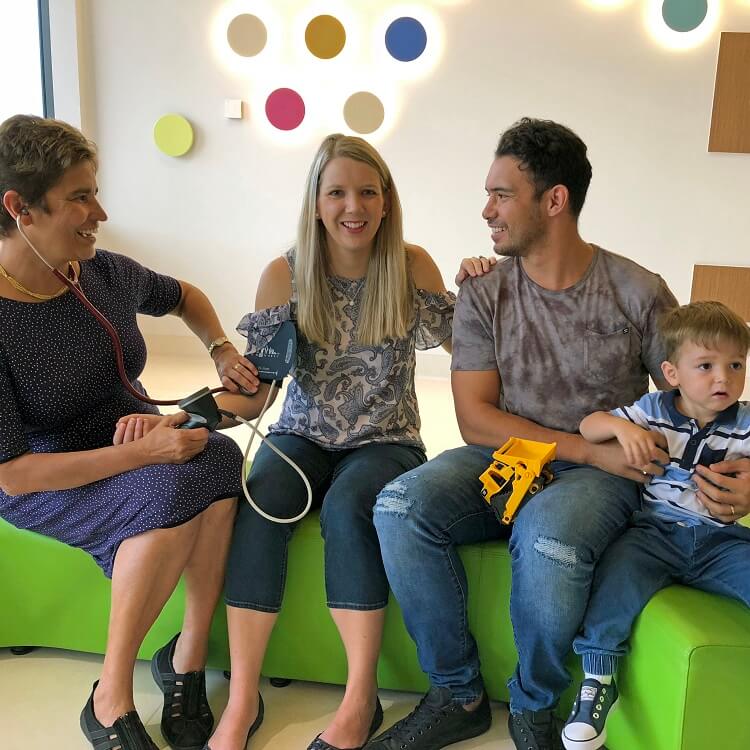
ORIGINS, a collaboration between The Kids and the Joondalup Health Campus, has achieved a major milestone – recruiting its 1000th family.